Study Analyzes How Much ‘Macro’ Plastic Is Deadly to Sea Life
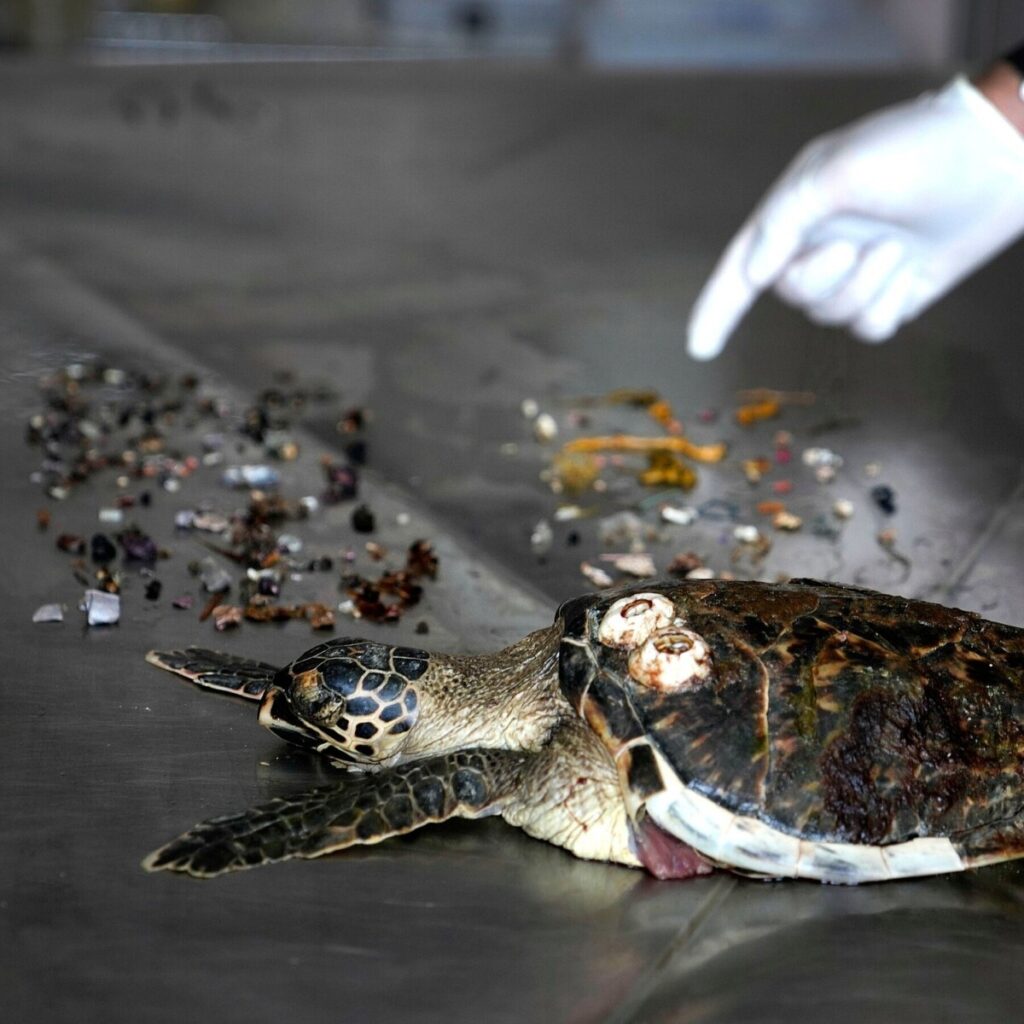
In a striking reminder of the ongoing environmental crisis, a recent autopsy of a Hawksbill sea turtle in the United Arab Emirates has revealed a troubling amount of plastic debris in its stomach. The examination, conducted by marine biologists, uncovered a significant quantity of plastic waste, including bags, wrappers, and other synthetic materials that the turtle had ingested. Hawksbill turtles, known for their striking shells and critical role in marine ecosystems, are already classified as critically endangered, and this incident underscores the dire threats they face from human activities.
The findings from the autopsy highlight the broader issue of marine pollution, particularly the impact of plastic waste on ocean life. According to reports, marine animals often mistake plastic for food, leading to severe health complications, including malnutrition, intestinal blockages, and even death. The UAE has been taking steps to address marine conservation, but incidents like this serve as a stark reminder of the pervasive nature of plastic pollution. The Hawksbill turtle’s plight reflects a global crisis, with millions of tons of plastic entering the oceans each year, affecting not only wildlife but also human health and coastal economies.
Efforts to combat this issue are becoming increasingly urgent. Various organizations and governments are working on initiatives to reduce plastic use, promote recycling, and clean up marine environments. For instance, beach clean-up campaigns and educational programs are being implemented to raise awareness about the importance of protecting marine life and reducing plastic consumption. The heartbreaking discovery from the autopsy of the Hawksbill turtle serves as a call to action for individuals and communities worldwide to take responsibility for their environmental footprint and work towards a more sustainable future for our oceans and the creatures that inhabit them.
An autopsied Hawksbill sea turtle in a lab in the United Arab Emirates. Lying beside the turtle are items removed from its stomach, including a large amount of plastic.


