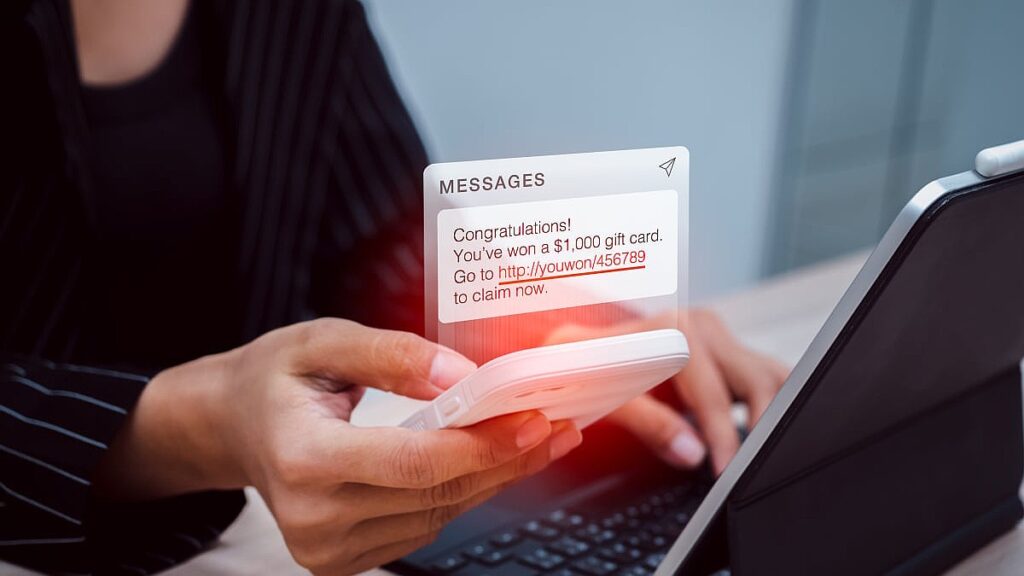
Scammers blast Black Friday shoppers with AI-made text messages, emails
As the holiday shopping season kicks off, Black Friday and Cyber Monday have become prime targets for scammers, especially in 2025, where the landscape of online deception has evolved dramatically due to advancements in artificial intelligence (AI). According to recent research from the cybersecurity firm Guardio, there has been a staggering 30-fold increase in shopping-related scams and fraudulent text messages in just the past month. November has already emerged as the peak month for online scams, with the surge occurring even before the Thanksgiving weekend. Guardio also reported a more than 500% increase in unique email addresses promoting Black Friday-related campaigns, indicating that scammers are ramping up their efforts to exploit unsuspecting consumers.
The rise in online scams can be largely attributed to the sophisticated capabilities of AI. A report from the Anti-Phishing Working Group highlighted that 76% of phishing websites now utilize AI-generated content, making it easier for scammers to create convincing and authentic-looking schemes. The traditional markers of a scam—such as spelling errors and a lack of familiarity with the target company—are becoming less common, as AI enables scammers to replicate entire websites and craft realistic communications. This technology also allows for the creation of AI-generated voices and videos, which can impersonate company representatives with alarming accuracy. Popular brands like AT&T, Amazon, Apple, and Walmart have been frequently targeted, with scammers employing tactics like “urgent account alerts” to prey on consumers’ holiday shopping anxieties.
As the Federal Trade Commission (FTC) reported that U.S. consumers lost over $432 million to online shopping scams in 2024, the stakes are higher than ever for consumers during this shopping frenzy. With the combination of holiday distractions and the urgency of securing limited-time deals, shoppers are more vulnerable to falling for scams. To protect themselves, consumers are advised to avoid clicking on links in unsolicited emails or text messages. Instead, they should access companies’ websites directly through their web browsers or official mobile apps. As we navigate this bustling shopping season, staying vigilant and informed is crucial to safeguarding against the rising tide of online scams.
Black Friday and Cyber Monday are the biggest shopping days of the year — and prime season for scams. Now in 2025 scammers are more emboldened than ever, thanks to AI.
According to research from cybersecurity company
Guardio
, there has been a 30x increase in shopping-related scams and fraudulent text messages over the past month. November is already the top month for online scams in 2025, even before Thanksgiving weekend.
Guardio has also seen a rise in the number of unique email addresses promoting Black Friday-related campaigns in the past week — by more than 500 percent.
What’s driving the rise? The company points to
research
from earlier this year from the organization Anti-Phishing Working Group that found that 76 percent of phishing websites now use AI-generated content.
AI isn’t just helping scammers create content for their schemes, its also aiding scammers in carrying out more convincing fraud.
The usual telltale signs of a scam — spelling or grammatical errors, a lack of familiarity with the company and its products it’s trying to imitate — are on their way out. With AI, scammers can perfectly replicate entire websites for their phishing campaigns.
AI-generated voices and videos can also provide scammers with convincing impersonations of company employees. In short, AI helps scammers appear authentic.
Bad actors targeting Black Friday shoppers have focused on a few popular brand names over the past few months, Guardio’s research found. Those brands include AT&T, Amazon, Apple (virtual and brick-and-mortar stores), Loews, Verizon, Costco, Walmart, and Kroger.
An example of a scam text message format utilized by bad actors.
Credit: Guardio
Why target Black Friday and Cyber Monday? It’s not just because there are more consumers spending online over that period. The usual holiday distractions, combined with the urgency of getting limited time deals, results in consumers becoming more vulnerable to scams.
The most common scam tactic, Guardio says, is the “urgent account alert.” These are text messages that inform targets that their Amazon account has been suspended, say, or their Verizon bill payment was declined. Recipients may be more inclined to fall for these scams as they seek to fix the issue in time for the holidays.
According to the Federal Trade Commission (FTC), U.S. consumers lost more than
$432 million
in online shopping scams in 2024 — and 2025 will likely see those losses rise.
One of the easiest ways to avoid being scammed is not to click any links received via email or text message. Go directly to these companies’ websites from your web browser, or via their official mobile apps, instead.


