Greenpeace Faces an Unusual New Legal Attack From a Pipeline Giant
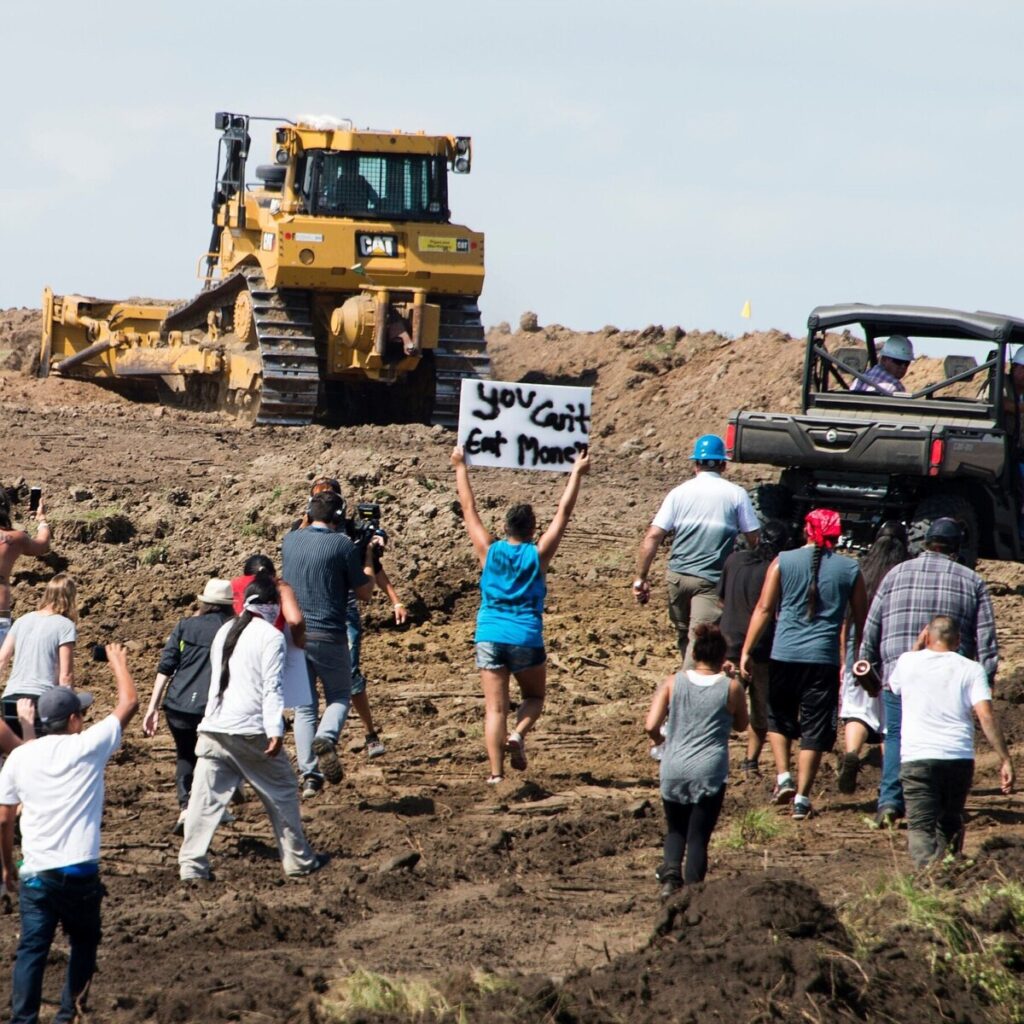
In September 2016, the Dakota Access Pipeline (DAPL) project became the focal point of intense protests near Cannonball, North Dakota, primarily led by the Standing Rock Sioux Tribe and supported by environmental activists and indigenous rights advocates. The pipeline, which was designed to transport crude oil from North Dakota to Illinois, sparked widespread concern over its potential environmental impact, particularly regarding the risk of oil spills and the threat it posed to the water supply of the Missouri River, which is vital to the local communities. The protests garnered national and international attention, highlighting the intersection of environmental justice and indigenous rights, as demonstrators camped out for months in what became a symbol of resistance against corporate interests and government complicity.
Fast forward to earlier this year, a significant legal ruling emerged when a court found Greenpeace liable for its involvement in the protests against the DAPL. The ruling underscores the ongoing legal ramifications stemming from the demonstrations, which were marked by nonviolent civil disobedience but also saw instances of confrontation with law enforcement. Greenpeace, an environmental organization known for its activism, was accused of contributing to the protests’ escalation, which included actions that allegedly led to property damage and disruption. This verdict raises critical questions about the responsibilities of advocacy groups in protest movements and the broader implications for environmental activism in the United States.
The case against Greenpeace highlights the contentious nature of environmental activism and the legal challenges that organizations may face when engaging in direct action. As the DAPL continues to operate, the ruling serves as a reminder of the complexities involved in the fight for environmental justice, particularly for marginalized communities. The ongoing legacy of the Standing Rock protests can be seen in the continued mobilization of indigenous groups and environmentalists who are increasingly vocal about their rights and the protection of natural resources. This legal battle not only reflects the challenges faced by activists but also underscores the necessity for a robust dialogue surrounding environmental policies and the rights of indigenous peoples in the face of corporate expansion.
Protesting the Dakota Access Pipeline project near Cannonball, N.D., in September 2016. Earlier this year a court found Greenpeace liable for its role in demonstrations there.


