Home Prices on a Warming Planet
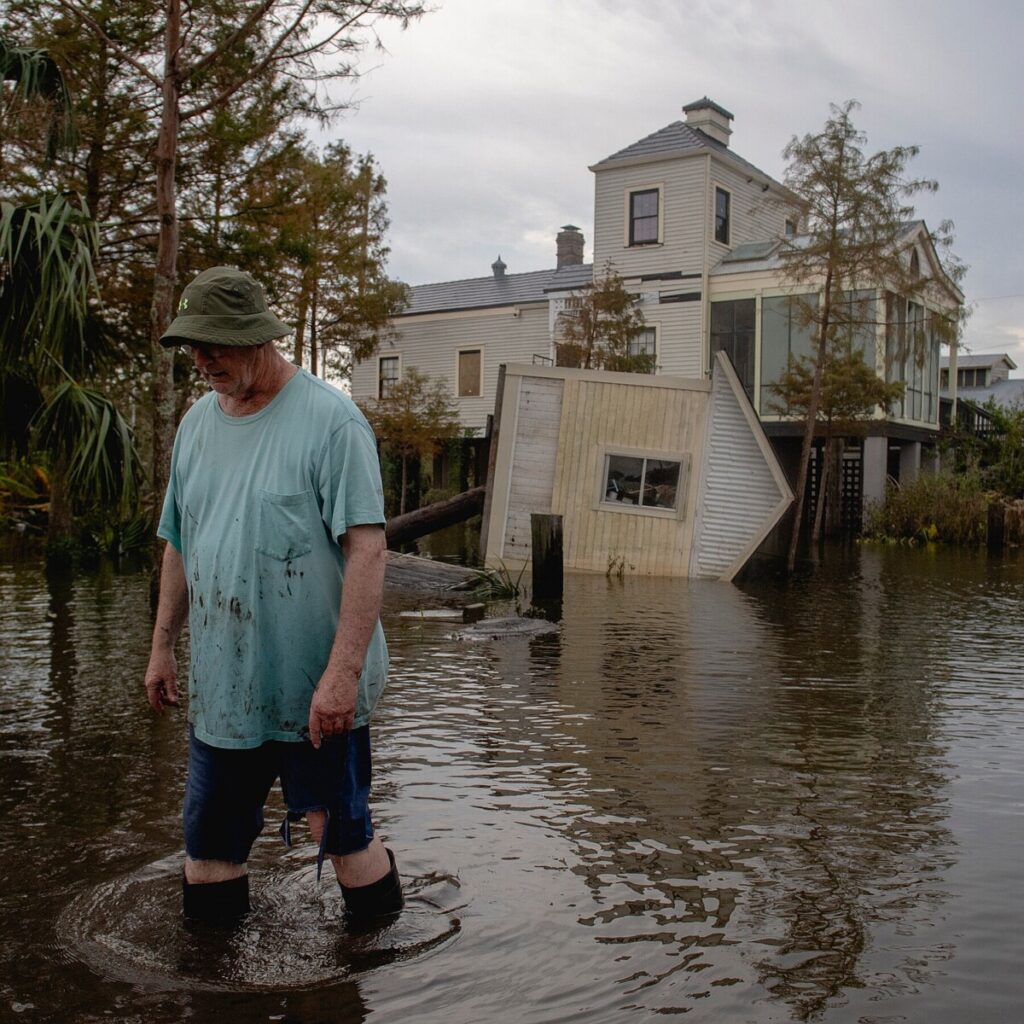
In the aftermath of Hurricane Ida in 2021, the small town of Lafitte, Louisiana, faced devastating flooding that highlighted the increasing vulnerability of many communities to climate-related disasters. As climate change intensifies the frequency and severity of natural disasters such as hurricanes, fires, and hailstorms, insurance premiums in these high-risk areas are soaring. This trend is particularly evident in regions like Lafitte, where residents are grappling with the dual challenges of recovering from catastrophic events while facing skyrocketing costs for basic homeowner’s insurance. The financial strain is compounded for many families, making it increasingly difficult to secure adequate coverage and rebuild their lives.
The rising insurance premiums are not just a local issue; they reflect a broader national trend. According to industry reports, areas most susceptible to climate-related disasters are witnessing some of the largest increases in premiums, often exceeding 20% annually. For example, homeowners in coastal regions are seeing their insurance costs surge as companies reassess risk levels and adjust their pricing strategies accordingly. These changes are driven by the growing recognition of the long-term impacts of climate change, as well as the mounting financial losses that insurers are incurring from frequent and severe weather events. In Lafitte, many residents are left with the difficult choice of either paying the higher premiums, which may not be sustainable, or risking insufficient coverage that could leave them vulnerable in the event of future disasters.
As communities like Lafitte work to recover and adapt to this new reality, the conversation around climate resilience and insurance reform is gaining momentum. Local governments and advocacy groups are pushing for solutions that not only address the immediate financial burdens but also promote long-term sustainability. Initiatives such as improved infrastructure, better land-use planning, and enhanced disaster preparedness are essential components of a strategy to mitigate the impacts of climate change and protect vulnerable communities. The situation in Lafitte serves as a stark reminder of the urgent need for comprehensive policies that address the interconnected challenges of climate change, insurance affordability, and community resilience.
Flooding in Lafitte, La., after Hurricane Ida in 2021. Places that are most vulnerable to climate-related disasters like hurricanes, fires and hail are seeing some of the largest premium increases.


