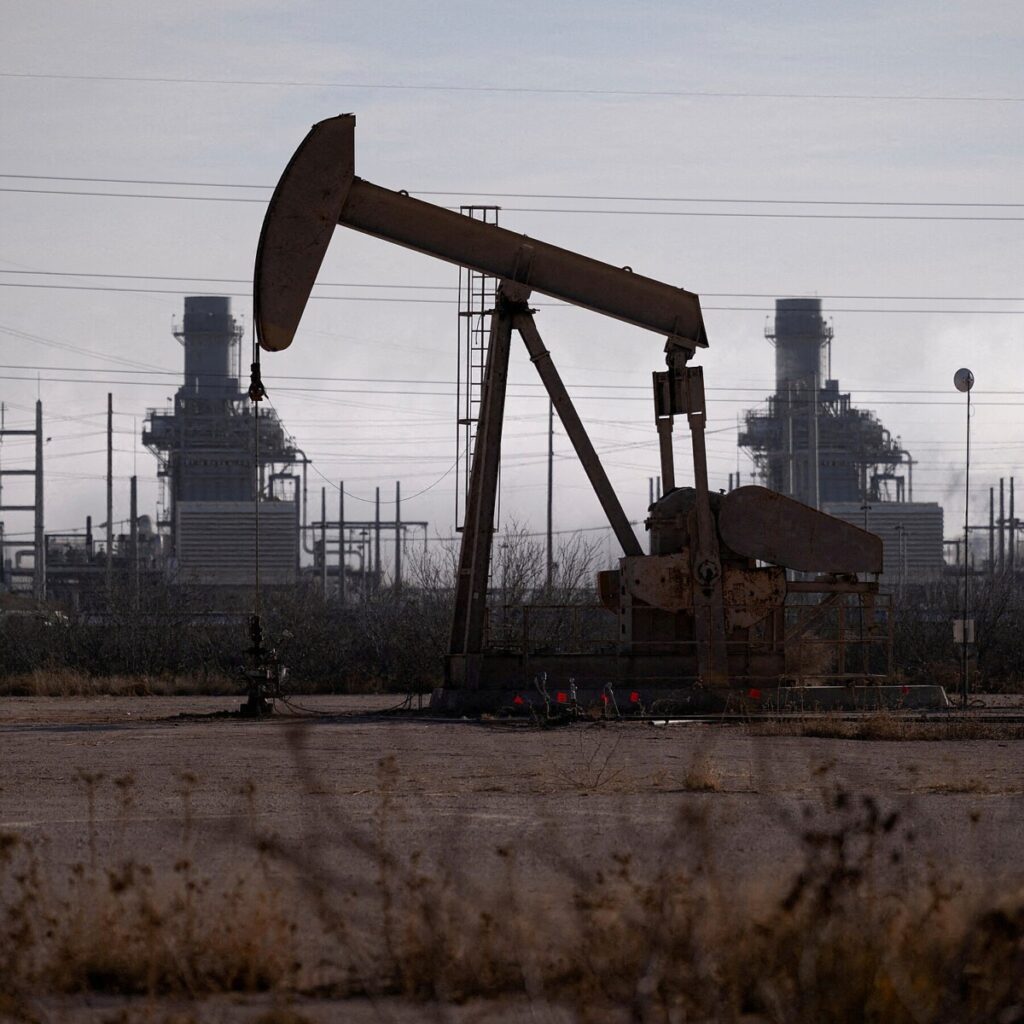
Trump Vowed Fewer Regulations and Lots More Oil. He’s Delivered on One.
Since President Trump’s inauguration in January 2017, the U.S. oil production landscape has undergone significant changes, with production levels reaching record highs. This increase can largely be attributed to advancements in technology and improved extraction techniques that have allowed oil companies to operate more efficiently. Innovations such as hydraulic fracturing and horizontal drilling have enabled producers to tap into previously inaccessible reserves, resulting in a surge in output. For instance, the U.S. Energy Information Administration reported that domestic crude oil production surpassed 13 million barrels per day in 2019, marking a substantial increase from previous years. However, despite this impressive growth in production, the anticipated job creation and broader economic benefits have not materialized as expected.
One of the key factors contributing to the disconnect between rising oil production and job growth is the automation and technological advancements within the industry. While these innovations have enhanced efficiency and reduced operational costs, they have also led to a decrease in the number of workers needed for extraction and production processes. For example, companies have increasingly relied on automated systems and advanced machinery, which require fewer human operators. As a result, the oil and gas sector has seen a decline in employment opportunities, with many workers being displaced or finding it challenging to secure new positions. In 2020, the industry faced further setbacks due to the COVID-19 pandemic, which led to a significant reduction in demand and a sharp decline in oil prices, exacerbating job losses.
The broader economic implications of this trend are noteworthy. While the oil boom has contributed to a temporary boost in state revenues and has helped lower gasoline prices for consumers, the lack of job growth raises concerns about the sustainability of this economic model. The promise of a revitalized energy sector was a cornerstone of Trump’s economic agenda, aimed at revitalizing American manufacturing and creating jobs for middle-class workers. However, as the industry continues to evolve with a focus on efficiency over employment, policymakers and stakeholders are left grappling with the challenge of fostering job growth in an increasingly automated economy. Moving forward, the question remains: how can the U.S. balance the benefits of technological advancements in oil production with the need for job creation and economic stability?
https://www.youtube.com/watch?v=iZ4bTbnQ_TU
Since President Trump took office, oil production is up, but largely because of improved efficiency, and it has not translated into more jobs for either the industry or the overall economy.


