Weakening incomes add new strain to households already hit by high prices
As Americans continue to grapple with the high cost of living, a more alarming trend is emerging: many consumers are reporting that their incomes are failing to keep pace with escalating financial pressures. According to Joanne Hsu, director and chief economist of the University of Michigan’s Surveys of Consumers, this shift has become increasingly evident in recent surveys. While frustration over rising prices has been a consistent theme for years, Hsu notes that consumers are now also voicing concerns about stagnant or declining incomes. This dual pressure—high prices coupled with inadequate wages—has created a precarious financial situation for many households, particularly as the holiday season approaches.
Recent data from the Bank of America Institute underscores this growing economic strain. Since January 2025, inflation has outpaced after-tax wage growth for middle- and lower-income households, leading to a staggering statistic: nearly one in four American households is now living paycheck to paycheck, a figure that has risen over the past year. This erosion of purchasing power is not just a statistical concern; it translates into real-world challenges for families trying to make ends meet. As prices continue to rise and incomes stagnate, more Americans find themselves on the brink of financial instability, struggling to keep up with daily expenses and feeling increasingly squeezed by their economic circumstances.
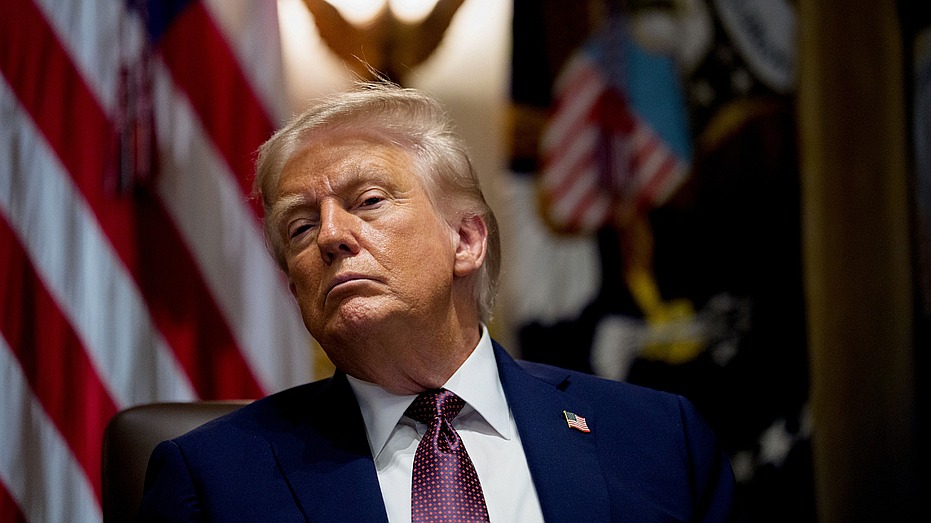
This mounting financial pressure poses a significant political challenge for President Donald Trump, who returned to the White House promising to enhance affordability for American families. As voter sentiment shifts, a recent Fox News national survey reveals that 76% of voters now view the economy negatively, a sharp increase from previous months. Trump’s economic approval ratings have also plummeted, reflecting growing discontent even among his traditional supporters. The current economic landscape, characterized by high prices and thin paychecks, has left many Americans feeling uncertain about their financial futures. How quickly these conditions improve, and whether voters will attribute any positive changes to Trump’s policies, will play a crucial role in shaping the ongoing economic and political discourse as the nation moves forward.
https://www.youtube.com/watch?v=p_1gfFXsGdQ
For months, Americans have voiced frustration over the stubbornly high cost of living.
But economists say a more troubling shift is emerging. Consumers are increasingly reporting that their incomes aren’t keeping up with the financial pressures they face.
Joanne Hsu, director and chief economist of the University of Michigan’s Surveys of Consumers, says the change is showing up more clearly in recent readings.
“Consumers have been expressing frustration from high prices consistently for the past several years. What makes this season different is that consumers are also increasingly mentioning weakening incomes as well,” Hsu told Fox News Digital.
AS THE HOLIDAYS APPROACH, THANKSGIVING BECOMES TRUMP’S ECONOMIC TEST
“This year, they are reporting pressures on their pocketbooks from multiple sources.”
That sense of mounting pressure is backed up by recent analysis.
According to the
Bank of America Institute
, inflation has risen faster than middle- and lower-income households’ after-tax wages since January 2025.
As a result, nearly one in four U.S. households is now living
paycheck to paycheck
, a number that has grown during the past year.
NEARLY 1 IN 4 AMERICAN HOUSEHOLDS LIVING PAYCHECK TO PAYCHECK, REPORT REVEALS
What that means is that the erosion of purchasing power is pushing more Americans to the edge of their budgets, making it harder to keep up, let alone get ahead.
That growing strain presents a political challenge for President
Donald Trump
, who returned to the White House on promises of greater affordability. He is now confronting voter doubts about whether he can deliver.
A
Fox News national survey
shows 76% of voters now rate the economy negatively, up sharply from 67% in July and 70% at the end of former President Joe Biden’s term.
Trump’s economic approval has also slipped to a new low, and his overall job approval has climbed to record levels of disapproval, even among voters who have historically backed him.
For now, the daily reality for many Americans remains the same: Prices feel too high, paychecks feel too thin and confidence in the future is fragile.
How quickly that changes and whether voters give Trump credit for it may determine the tone of the country’s economic and political debate in the months ahead.