Sharoni: Israel, Boston partnership built on innovation
In an era of escalating global competition among technology hubs, the partnership between Israel and Boston is emerging as a vital force for innovation, particularly in fields such as biotechnology, life sciences, cybersecurity, and artificial intelligence (AI). This strategic alliance leverages the strengths of both regions, which are renowned for their academic prowess, dense networks of venture capital, and a culture that fosters entrepreneurship and risk-taking. Israel, known for its resourcefulness and substantial investment in research and development—6.3% of its GDP in 2023, far exceeding the OECD average—brings cutting-edge technological advancements. Meanwhile, Boston contributes its world-class human capital, clinical infrastructure, and regulatory expertise, creating a dynamic ecosystem where collaborative ventures can thrive.
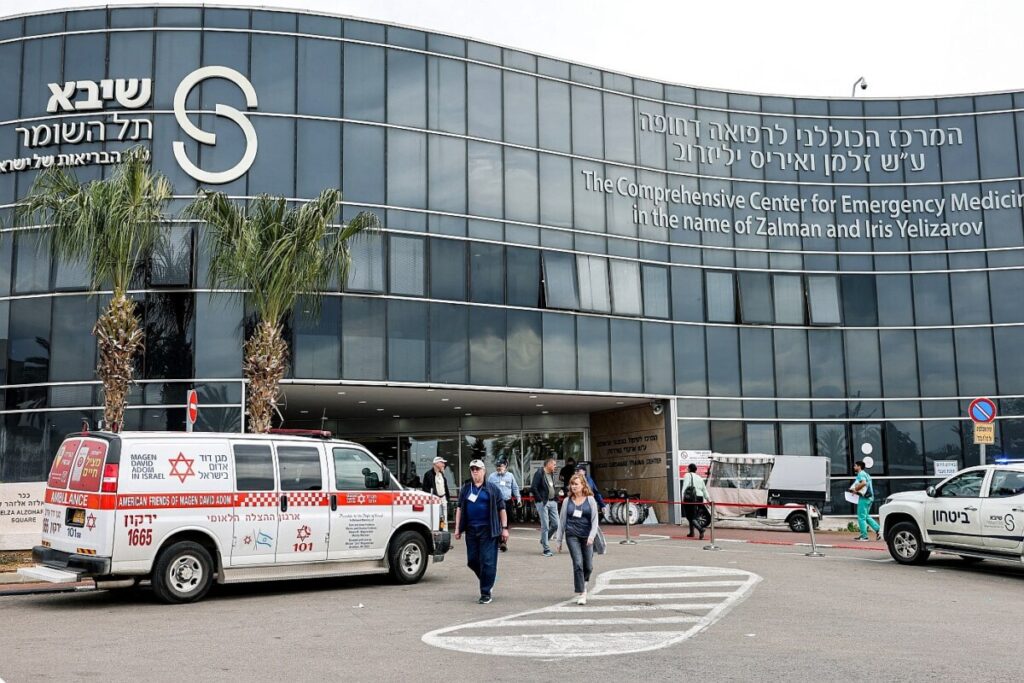
Recent initiatives underscore the tangible benefits of this collaboration. The Israel-U.S. Binational Industrial Research and Development (BIRD) Foundation has allocated $5.5 million in grants to support joint ventures, including an innovative project between Tel Aviv’s Newton Tech and Boston’s Spaulding Rehabilitation Hospital. This partnership aims to develop advanced gait and movement analysis technology, showcasing how Israeli ingenuity and Boston’s rehabilitation expertise can come together to enhance patient care. Furthermore, the establishment of Sheba Medical Center’s ARC Innovation Accelerator in Massachusetts highlights Israel’s commitment to this partnership. As the largest hospital in the Middle East, Sheba has chosen Boston as its U.S. base, providing startups from its extensive network access to one of the most sophisticated healthcare markets in the world.
The collaboration between Israel and Boston is not only a business opportunity but also a shared commitment to addressing humanity’s greatest challenges through technology. Both regions prioritize education and innovation, fostering environments that attract top talent and encourage the development of breakthrough solutions. Looking ahead, the potential for deeper collaboration is vast, with opportunities to accelerate advancements in precision medicine, cybersecurity, and AI. As Israeli companies increasingly view Boston as a strategic location for growth, they are not just establishing sales offices; they are forging meaningful partnerships that enrich the local ecosystem. This exciting new phase of collaboration promises to drive technological progress and elevate the global standing of both Israel and Boston as leaders in innovation.
Amid growing global competition among technology hubs, cross-border collaboration is indispensable to staying ahead of the curve. When leading companies and research institutions decide where to invest and grow, they seek ecosystems that reflect their own strengths while offering complementary advantages.
Deepening the already vibrant partnership between Israel and Boston positions both to compete and drive innovation in the industries that will define the 21st century.
The connection between Israel and Boston is not coincidental. It’s a strategic alignment of two innovation powerhouses. Both regions have built world-class reputations in biotechnology, life sciences, cybersecurity, and AI. Both are home to dense concentrations of top-tier universities and talent, deep pools of venture capital, and cultures that celebrate risk-taking, reward entrepreneurship, and transform academic research into commercial breakthroughs.
What makes this partnership particularly powerful is how our ecosystems complement each other. Israel brings battle-tested technological innovation forged in a culture of resourcefulness, backed by the world’s highest civilian R&D investment as a percentage of GDP. In 2023, Israel’s gross domestic spending on R&D totaled 6.3% of GDP, more than double the OECD average of 2.7%. Boston offers world-class human capital, clinical infrastructure, regulatory expertise, and market access. Together, we’re creating solutions that neither ecosystem could develop as effectively alone.
This isn’t theoretical. It’s happening right now. The Israel-U.S. Binational Industrial Research and Development (BIRD) Foundation recently approved $5.5 million in grants for five joint ventures. One standout example brings together Tel Aviv’s Newton Tech and Boston’s Spaulding Rehabilitation Hospital to develop high-throughput gait and movement analysis technology, exemplifying how Israeli innovation and Boston’s rehabilitation medicine combine to improve patient outcomes.
Perhaps nothing illustrates Israel’s strategic commitment more clearly than Sheba Medical Center’s decision to establish its first U.S.-based ARC Innovation Accelerator here in Massachusetts. Sheba, the largest hospital in the Middle East and ranked among the world’s top 10 hospitals by Newsweek, operates ARC Boston as a “soft landing pad” for startups from its global network of over 300 hospitals. Sheba could have chosen anywhere in America. They chose Boston.
I had the privilege of standing alongside Governor Maura Healey and Sheba’s leadership when they made this announcement. Massachusetts patients will be among the first in America to access revolutionary AI-powered healthcare technologies emerging from this partnership. For biotech enterprises, ARC’s Boston innovation hub provides direct access to one of the world’s most sophisticated healthcare markets and renowned teaching hospitals.
What draws Israeli innovation to Boston is the entire ecosystem. Our companies find partners who understand both the science and business of bringing breakthrough technologies to market. Hospitals willing to serve as development partners, investors with deep domain expertise, and a talent pool that includes engineers, data scientists, and clinicians.
For Boston, the value proposition is equally compelling. Israeli companies bring technologies validated in our healthcare system, defense applications, and cybersecurity landscape, among the world’s most demanding markets. They bring agile, mission-driven teams experienced in doing more with less, along with a global perspective that enriches Boston’s innovation community.
Beyond the business case lies something deeper: shared priorities in education and innovation, and the belief that technology should serve humanity’s greatest challenges. Both Israel and Boston have built their success by investing in people and creating environments where the brightest minds want to work and build.
Looking to the future, the potential for deeper collaboration is limitless. In biotechnology, we can accelerate the development of precision medicines. In cybersecurity, we can develop defensive technologies that our world needs. In AI and digital health, we can ensure new technologies are deployed safely and effectively.
Companies today are not just opening sales offices. They’re making strategic choices about where to build and shape their futures. Increasingly, for Israeli firms, that choice is Boston.
For New England’s business community, this represents opportunity. Israeli companies are active partners looking for clinical collaborators, distribution channels, and local talent. They’re raising capital, creating jobs, and contributing to the ecosystem that makes Greater Boston a preeminent innovation hub.
The relationship between Israel and Boston is entering an exciting new phase. From Sheba’s ARC Innovation Accelerator to BIRD Foundation-funded joint ventures to Israeli companies growing operations and investments here, the collaboration reinforces Boston’s ecosystem advantages while adding dimensions of technological sophistication and entrepreneurial agility.
As global innovation becomes ever more interconnected and competitive, Boston and Israel stand together, driving technology, healthcare, and human progress. Now is the time to take full advantage of these opportunities and accelerate projects that will define the next generation of breakthrough innovations.
Benjamin Sharoni is Consul General of Israel to New England


