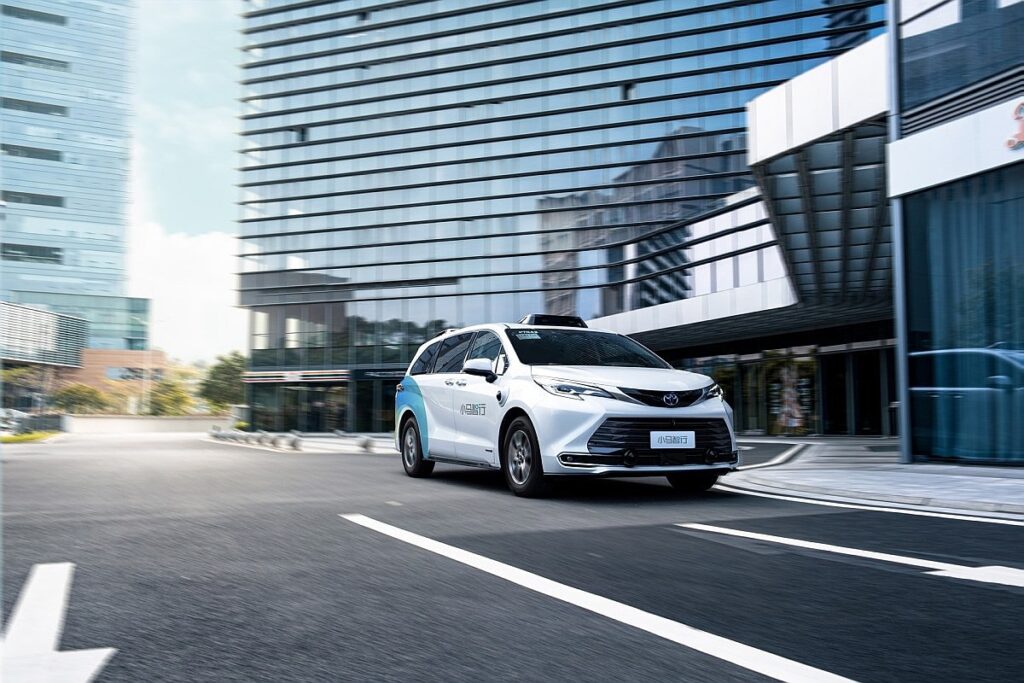
China’s Pony AI plans to triple global robotaxi fleet by the end of 2026
Pony.ai, a prominent Chinese autonomous vehicle company, is setting its sights on global expansion with an ambitious plan to establish a fleet of 3,000 robotaxis. This initiative is part of the company’s broader strategy to capitalize on the burgeoning demand for autonomous transportation solutions worldwide. Founded in 2016, Pony.ai has rapidly emerged as a key player in the self-driving vehicle sector, leveraging advanced artificial intelligence and machine learning technologies to develop vehicles that can navigate complex urban environments without human intervention. The company’s decision to scale its operations through a significant robotaxi fleet underscores the increasing competition in the autonomous vehicle market, particularly as other tech giants and automotive manufacturers also vie for leadership in this transformative industry.
The planned robotaxi fleet is designed to operate in multiple cities, enhancing urban mobility while addressing challenges such as traffic congestion and environmental sustainability. Pony.ai has already made strides in testing its autonomous vehicles in various locations, including California and China, where it has received regulatory approvals to operate in select areas. The company’s robotaxis are equipped with cutting-edge sensors and software that allow them to perceive their surroundings and make real-time driving decisions, ensuring safety and efficiency. In addition to providing transportation services, Pony.ai aims to integrate its fleet with smart city infrastructure, further optimizing traffic flow and enhancing user experience. This ambitious project not only highlights Pony.ai’s commitment to innovation but also positions it as a formidable contender in the global autonomous vehicle landscape, where the race to develop safe and reliable self-driving technology is intensifying.
As Pony.ai moves forward with its robotaxi fleet, it faces both opportunities and challenges in navigating regulatory landscapes, public acceptance, and technological hurdles. The company’s efforts align with a growing trend among urban planners and policymakers to incorporate autonomous vehicles into public transportation systems. By offering a convenient, on-demand service, Pony.ai hopes to attract a diverse customer base, from daily commuters to tourists seeking efficient ways to explore cities. With its eyes set on international markets, Pony.ai’s ambitious plans could reshape the future of urban mobility, making autonomous transportation a viable and integral part of everyday life. As the company continues to innovate and expand, it will be interesting to see how it influences the broader discourse on autonomous vehicles and their role in sustainable urban development.
The Chinese autonomous vehicle company Pony.ai has global ambitions and plans to build a 3,000-strong robotaxi fleet to meet them.


