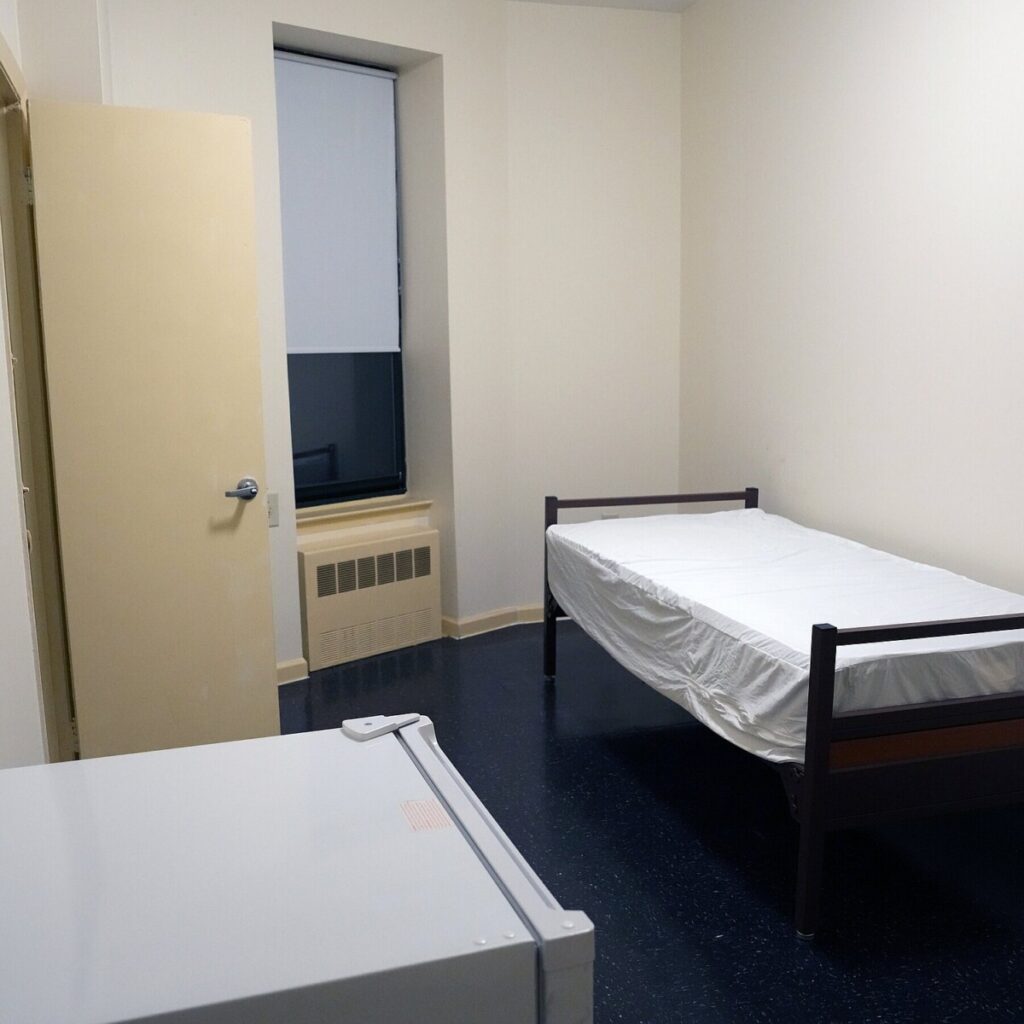
The ‘New’ Solution for the N.Y.C. Housing Crisis: Single-Room Apartments
In the bustling landscape of New York City, single-room occupancy (SRO) apartments once provided vital housing for countless residents, particularly during the mid-20th century. Estimates suggest that there were over 100,000 SRO units across the city, serving as affordable living spaces for low-income individuals and those in need of temporary shelter. However, as urban development surged and societal perceptions shifted, these once-essential accommodations fell out of favor. The stigma surrounding SROs, often linked to poverty and unsanitary conditions, contributed to their decline. Many of these buildings became associated with crime and neglect, leading to a widespread push for their demolition or conversion into more upscale housing options.
The transformation of SROs reflects broader trends in urban housing and social policy. As New York City evolved, the demand for luxury apartments and high-end developments overshadowed the need for affordable housing solutions. This shift has exacerbated the housing crisis, with many low-income residents finding themselves priced out of the market. The loss of SROs is particularly poignant considering their historical role in providing shelter for marginalized communities, including the elderly, mentally ill, and low-wage workers. In recent years, advocates have begun to recognize the need to restore and revitalize SROs as a viable solution to the city’s ongoing housing challenges. By addressing the stigma and improving conditions in these buildings, there is potential to reintegrate SROs into the fabric of New York City’s housing landscape, offering a lifeline to those in desperate need of affordable homes.
As the city grapples with a growing homeless population and a shortage of affordable housing, revisiting the concept of single-room occupancy apartments may be a crucial step toward fostering inclusivity and stability. Some city officials and housing advocates are calling for the rehabilitation of existing SROs and the development of new ones, emphasizing the importance of creating safe, sanitary, and dignified living environments. This renewed focus on SROs not only highlights the need for diverse housing options but also serves as a reminder of the historical significance of these spaces in accommodating the city’s most vulnerable residents. As New York City continues to evolve, the challenge remains: how to balance development with the urgent need for affordable housing solutions that honor the city’s diverse population and history.
According to one estimate, there used to be more than 100,000 single-room occupancy apartments in New York City, but they fell out of favor because of their association with poverty and unsanitary living conditions.