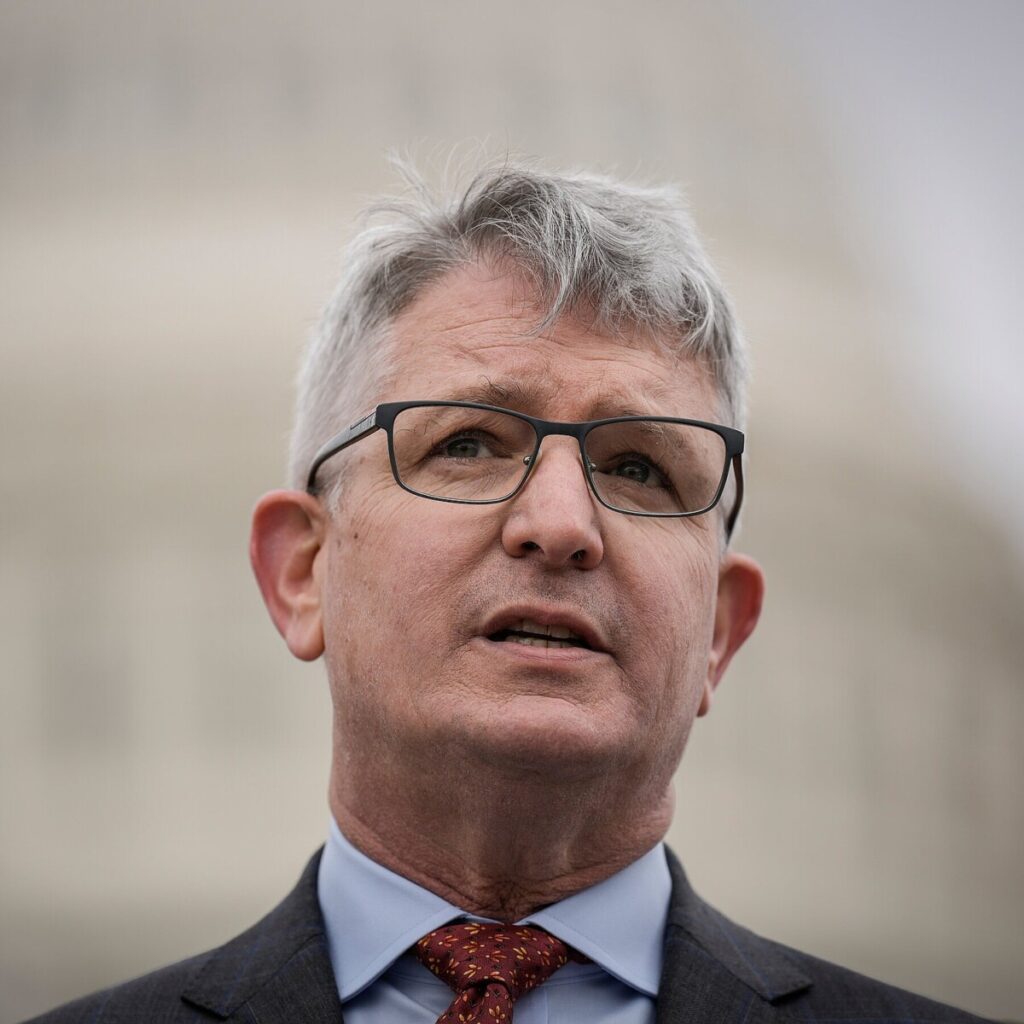
U.S. Nuclear Arms Chief Warns Against Leaks of Secret Information
Brandon Williams has recently taken the helm of the National Nuclear Security Administration (NNSA), stepping into a role traditionally filled by individuals with extensive technical backgrounds and experience in the nuclear weapons sector. This shift in leadership style has sparked discussions about the future of the U.S. nuclear arsenal and the management of its nuclear security. Williams, who previously served as the chief of staff at the NNSA, brings a different perspective to the agency, focusing on managerial skills and strategic oversight rather than deep technical expertise. His appointment reflects a broader trend in governance where leadership roles are increasingly filled by individuals with a diverse range of experiences rather than those with specialized technical knowledge.
The NNSA is crucial for the maintenance and modernization of the United States’ nuclear weapons complex, a responsibility that includes ensuring the safety, security, and effectiveness of the nation’s nuclear arsenal. Historically, leaders of the NNSA have often been former scientists, engineers, or military personnel with extensive experience in nuclear policy and technology. For example, past administrators like Thomas D’Agostino and Lisa Gordon-Hagerty were deeply rooted in scientific and technical fields, which helped them navigate the complexities of nuclear security and policy. In contrast, Williams’ background is more aligned with management and administration, raising questions about how his leadership style will influence the agency’s operations and its approach to pressing issues like nuclear deterrence, arms control, and the modernization of aging nuclear systems.
As the global nuclear landscape continues to evolve, with rising tensions among nuclear powers and new technological challenges emerging, Williams’ leadership will be put to the test. His ability to foster collaboration between technical experts and policymakers will be critical in addressing these challenges. Furthermore, Williams must also contend with internal and external pressures, including budget constraints and the need for transparency in nuclear operations. His approach may redefine how the NNSA interacts with other federal agencies, international partners, and the public, potentially steering the agency toward a more holistic management style that prioritizes communication and interdisciplinary cooperation over purely technical expertise. As the NNSA embarks on this new chapter under Williams, the implications of this leadership shift will be closely monitored by stakeholders within and outside the nuclear community.
Brandon Williams, the head of the National Nuclear Security Administration, has no deep technical roots or experience in running the nation’s nuclear weapons complex, unlike many of his predecessors.