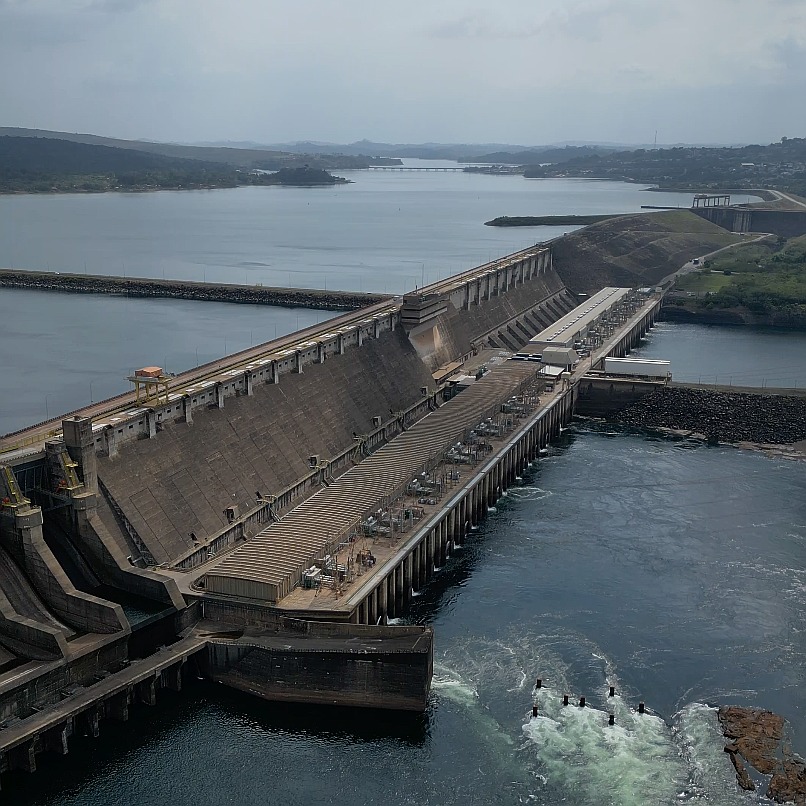
Hydropower Is Getting Less Reliable as the World Needs More Energy
As the world grapples with an escalating demand for power, the reliance on hydroelectric plants—historically one of the oldest and most sustainable sources of clean energy—is facing unprecedented challenges. Climate change has intensified the frequency and severity of extreme weather events, such as droughts and floods, which directly impact the efficiency and viability of hydroelectric power generation. In many regions, prolonged droughts have significantly reduced water levels in rivers and reservoirs, leading to decreased electricity production. For instance, the U.S. West Coast has seen a marked decline in hydroelectric output due to ongoing drought conditions, prompting energy providers to seek alternative sources to meet growing demand.
Moreover, the increasing unpredictability of weather patterns poses a further threat to hydroelectric facilities. Floods can lead to the overflow of reservoirs, damaging infrastructure and disrupting the delicate balance needed for optimal energy generation. This duality of droughts and floods presents a complex dilemma for energy planners and policymakers. In places like California, where hydroelectric power has historically played a vital role in the energy mix, the state is now facing the reality of needing to diversify its energy sources to ensure reliability and sustainability. The transition towards other renewable energy sources, such as solar and wind, is becoming more critical as hydroelectric plants struggle to keep pace with the rising energy demands exacerbated by climate change.
In response to these challenges, experts are urging a reevaluation of energy strategies that prioritize resilience against climate impacts. Innovations in energy storage technologies and grid management are essential to mitigate the fluctuations caused by hydroelectric dependency. Additionally, investing in adaptive infrastructure can help hydro plants better withstand the effects of extreme weather, ensuring they remain a viable part of the clean energy landscape. As the demand for power continues to surge, the future of hydroelectric energy will depend on a proactive approach to climate adaptation, emphasizing a balanced and diversified energy portfolio that can withstand the challenges posed by our changing climate.
Demand for power is growing fast, but hydro plants, the oldest source of clean energy, are struggling because of droughts, floods and other extreme weather linked to climate change.


