Fire Threatens Iran’s Ancient Forest, a World Heritage Site
The Hyrcanian Forests, a UNESCO World Heritage site, represent one of the most ancient and biodiverse ecosystems in the world, stretching along the northern slopes of the Alborz mountain range in Iran. These lush woodlands, which have persisted for millions of years, are not only a testament to the Earth’s ecological history but also a vital habitat for a myriad of species. According to experts, the Hyrcanian Forests boast an extraordinary variety of flora and fauna, including unique plant species and wildlife that are found nowhere else on the planet. This rich biodiversity is attributed to the forest’s unique climatic conditions, which combine temperate and subtropical elements, creating an environment conducive to the growth of a wide range of species.
Recent studies highlight the ecological significance of the Hyrcanian Forests, emphasizing their role in carbon sequestration and climate regulation. These forests serve as a crucial buffer against climate change, absorbing significant amounts of carbon dioxide and helping to mitigate global warming. Furthermore, they play a pivotal role in preserving water resources, maintaining soil quality, and supporting local communities that rely on the forest for their livelihoods. Unfortunately, these invaluable ecosystems are under threat from human activities, including deforestation, urban expansion, and climate change. Conservation efforts are urgently needed to protect the Hyrcanian Forests and ensure their survival for future generations. By raising awareness and promoting sustainable practices, there is hope to preserve this irreplaceable natural treasure and its diverse inhabitants.
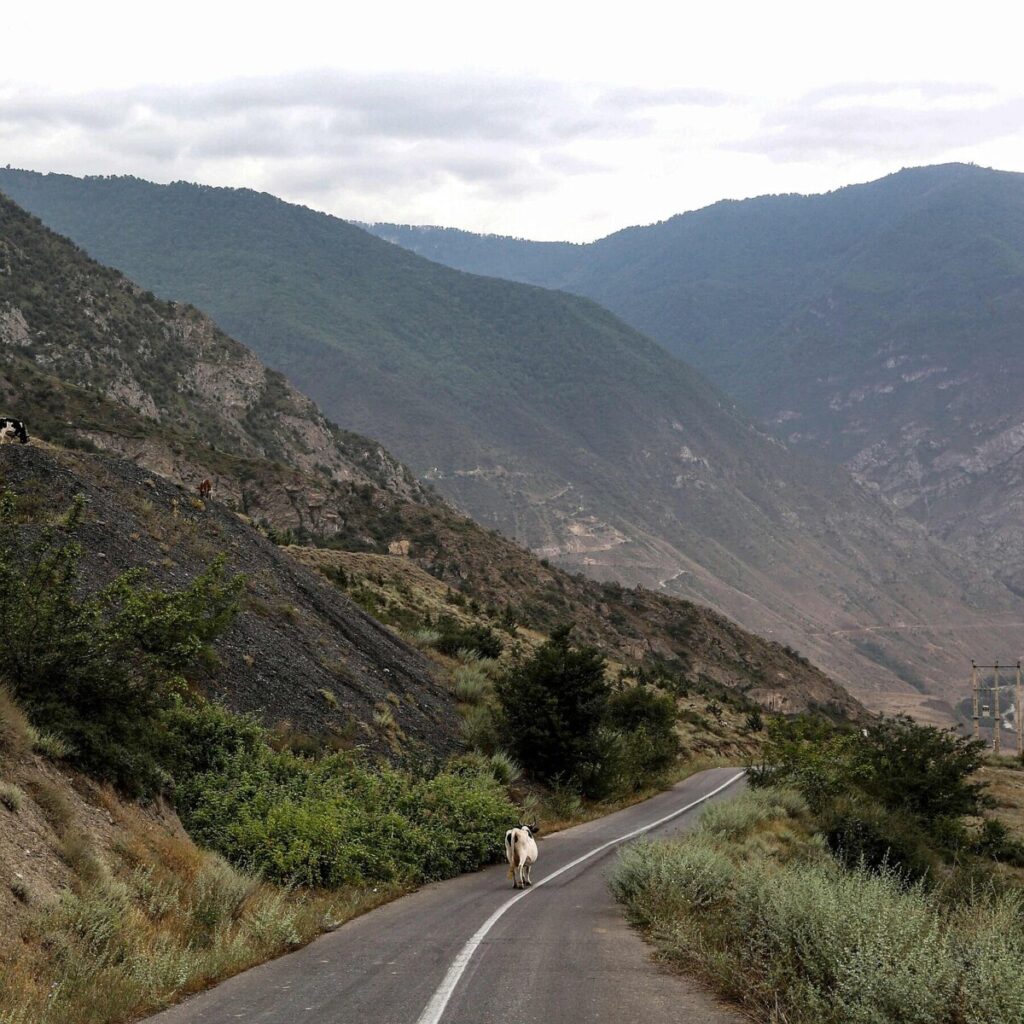
A forest in Iran that is part of the Hyrcanian Forests, which are “among the oldest and most biodiverse ecosystems across the globe,” an expert said.


