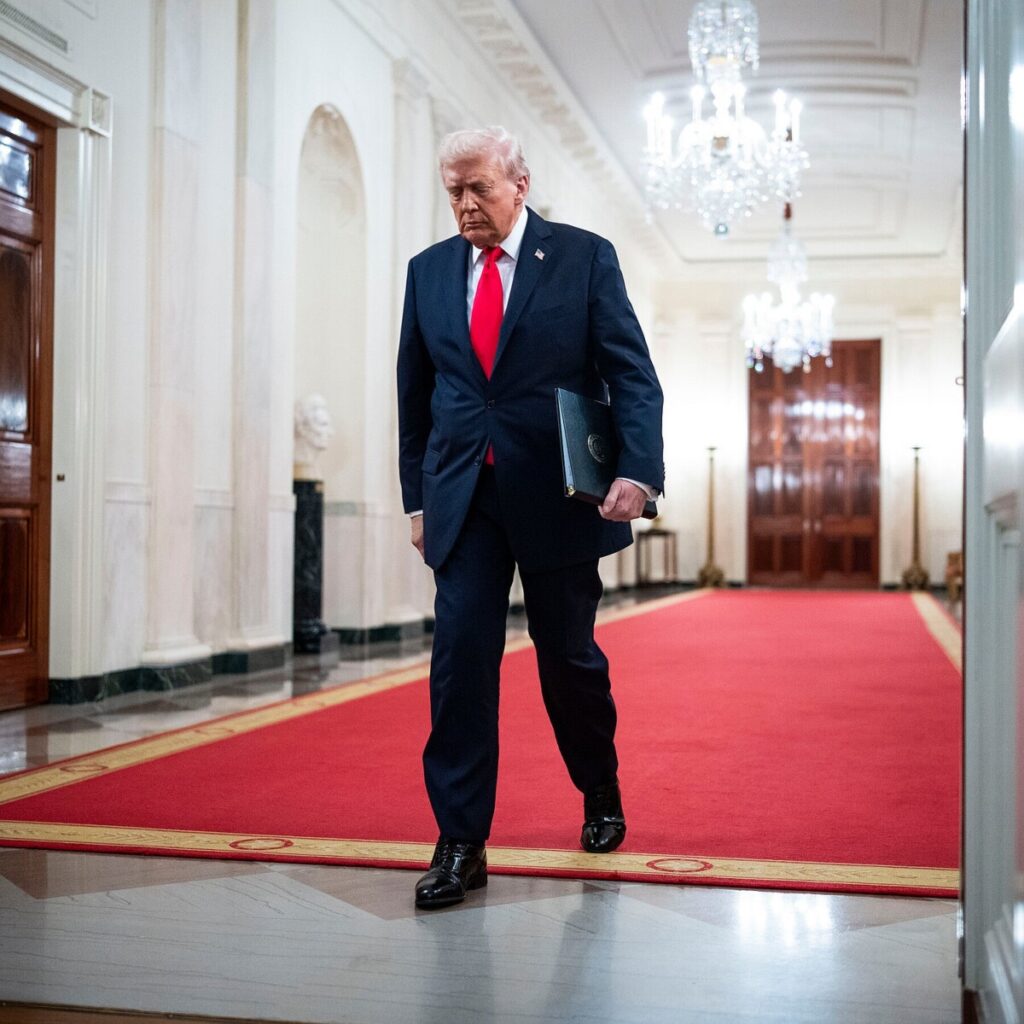
Donors to Trump’s Transition Revealed a Year Later
In a significant move that set the tone for his presidency, Donald J. Trump, during his transition period after being elected president in November 2016, made headlines by declining federal funds allocated for presidential transitions. This decision was notable not only because it was a departure from the norm but also due to the implications it had for transparency and accountability in political financing. Typically, incoming presidents utilize these funds to facilitate a smooth transition into office, covering expenses such as staff salaries, office space, and other logistical needs. However, by opting out of this federal support, Trump avoided the requirement that contributors to his transition efforts be disclosed within 30 days of taking office, a stipulation designed to promote transparency in political donations.
Trump’s refusal of federal funds was framed by his camp as a demonstration of independence from Washington’s political norms and an assertion of his outsider status. This decision resonated with many of his supporters who appreciated his commitment to self-funding his campaign and distancing himself from traditional political practices. However, it also raised eyebrows among critics who argued that the lack of disclosure could pave the way for undisclosed influence from private donors and special interest groups. Without the disclosure requirement, the potential for undisclosed contributions to shape the transition process and, by extension, policy decisions became a point of concern for those advocating for greater transparency in government.
Moreover, Trump’s decision not to accept federal transition funds was emblematic of his broader approach to governance, which often prioritized personal and business interests over established political protocols. This choice not only highlighted the contentious relationship between Trump and the political establishment but also underscored ongoing debates about the role of money in politics. As the Trump administration progressed, the implications of this decision were felt in various ways, from staffing choices to policy priorities, raising questions about the influence of undisclosed funding in shaping the administration’s agenda. Ultimately, Trump’s refusal of federal funds for his transition serves as a pivotal example of how his presidency sought to redefine traditional political practices while simultaneously igniting discussions about transparency and accountability in government.
As president-elect, Donald J. Trump refused federal funds for his presidential transition, which would have required contributors to be disclosed within 30 days of taking office.