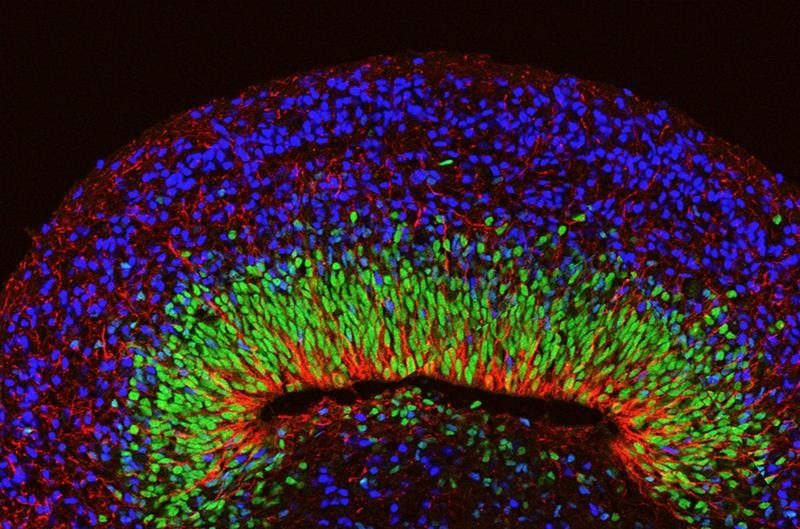
Lab-grown models of human brains are advancing rapidly. Can ethics keep pace?
In recent years, the emergence of neural organoids—miniature, simplified versions of the human brain grown in a lab—has sparked a significant debate within the scientific community regarding their ethical implications and potential applications. These organoids, derived from stem cells, mimic certain aspects of brain structure and function, offering researchers a valuable tool for studying various neurological conditions, drug responses, and developmental processes. However, as the technology advances, pressing questions arise about the consciousness and potential sentience of these organoids. Specifically, researchers are grappling with whether these brain-like structures could experience pain or suffering, which raises profound ethical concerns about their use in experiments.
One of the core issues is the extent to which neural organoids can replicate the complex functionalities of a human brain. While current research indicates that these organoids possess rudimentary neuronal activity, they lack the full spectrum of neural connections and the higher cognitive functions associated with consciousness. Nevertheless, some scientists argue that even minimal neural activity could imply a capacity for pain perception, prompting calls for stringent ethical guidelines regarding their treatment. Additionally, the possibility of using these organoids in animal models further complicates the conversation. Advocates for animal welfare caution against subjecting any form of sentient-like entities to invasive experiments, while proponents of the technology highlight its potential to reduce the need for traditional animal testing by providing a more humane alternative.
As the field of neural organoids continues to evolve, it becomes increasingly crucial for researchers, ethicists, and policymakers to engage in meaningful dialogue about the moral implications of this groundbreaking technology. Establishing a clear framework for the ethical use of neural organoids will not only safeguard scientific integrity but also ensure that advancements in neuroscience do not come at the cost of ethical responsibility. As we venture further into this uncharted territory, the questions surrounding the consciousness of neural organoids and their role in biomedical research will undoubtedly remain at the forefront of scientific inquiry and ethical discussions.
Whether neural organoids feel pain or should be placed in animals are among the questions swirling around biology’s hot new technology


