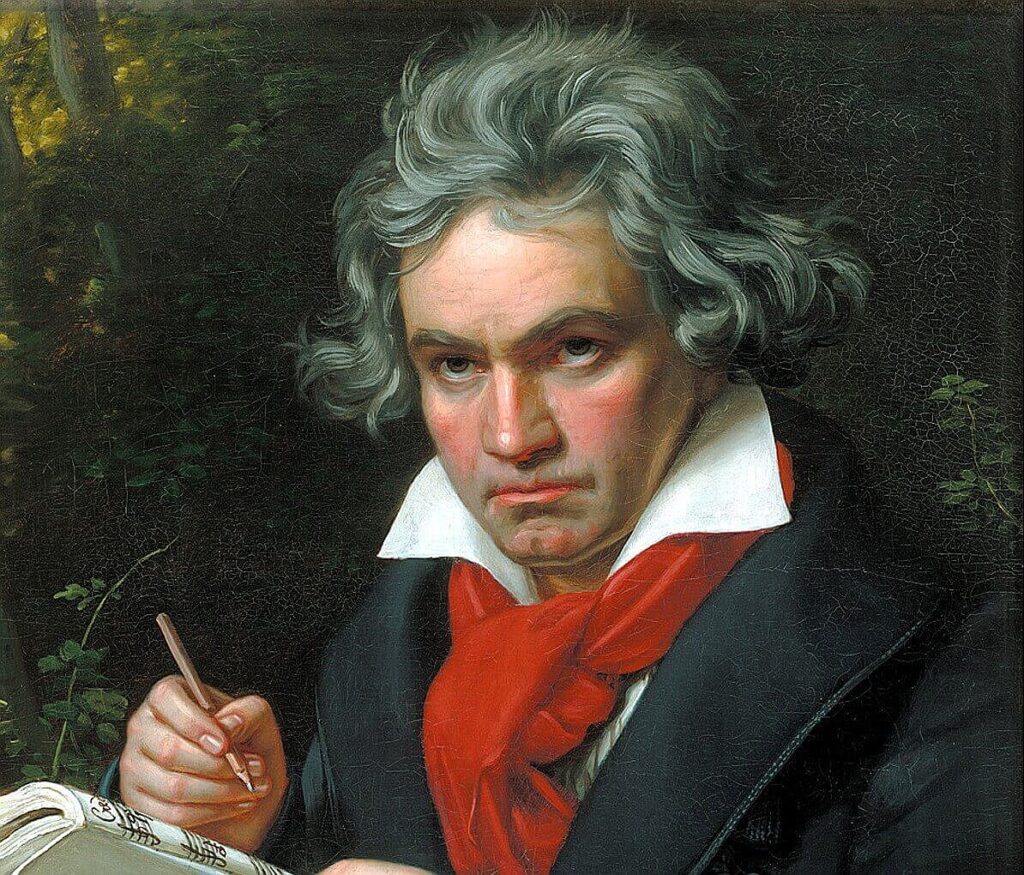
Ludwig van Beethoven
**The Enduring Legacy of Ludwig van Beethoven: A Revolutionary Composer**
Ludwig van Beethoven, born in 1770 in Bonn, Germany, remains one of the most celebrated composers in Western music history. His life spanned a transformative era, bridging the Classical and Romantic periods, and his compositions reflect a profound evolution in musical expression. Beethoven’s work not only shifted the focus of composition from the confines of religious and social functions to a more personal and emotional narrative, but it also paved the way for future generations of musicians to explore the depths of human experience through their art. His innovative approach to melody, harmony, and form has left an indelible mark on the music world, inspiring countless composers and musicians.
One of the most notable aspects of Beethoven’s career was his ability to adapt and innovate despite facing significant personal challenges, including progressive deafness that began in his late twenties. This condition, which would eventually leave him almost completely deaf, did not deter him from composing some of his most celebrated works, such as the Ninth Symphony, which features the iconic “Ode to Joy.” This symphony not only exemplifies Beethoven’s mastery of orchestration and thematic development but also embodies his belief in the power of music to unite humanity. Furthermore, his late string quartets and piano sonatas demonstrate an unparalleled depth of emotion and complexity, pushing the boundaries of musical form and expression. Beethoven’s influence extends beyond his own compositions; he set a precedent for the Romantic composers who followed, such as Brahms and Wagner, who embraced the emotional intensity and structural innovation that he championed.
Beethoven’s legacy is not merely confined to his compositions but also includes his role as a cultural icon who challenged societal norms. He was a figure of the Enlightenment, advocating for individualism and freedom, which resonated with the political upheavals of his time. His music often reflects themes of struggle, triumph, and the human spirit, making it timeless and universally relatable. Beethoven’s ability to convey profound emotional narratives through his music continues to captivate audiences around the world, ensuring that his works remain a staple of concert repertoires and a source of inspiration for musicians and composers alike. As we celebrate Beethoven’s contributions to music, we also recognize his enduring impact on the cultural landscape, solidifying his status as a revolutionary figure whose work transcends time and continues to resonate with new generations.
https://www.youtube.com/watch?v=W-fFHeTX70Q
Ludwig van Beethoven (1770 – 1827) is one of the greatest composers in history. His work marked a turning point for composers, who had previously written primarily for religious services, to teach, or to entertain at social functions. But Beethoven’s […]