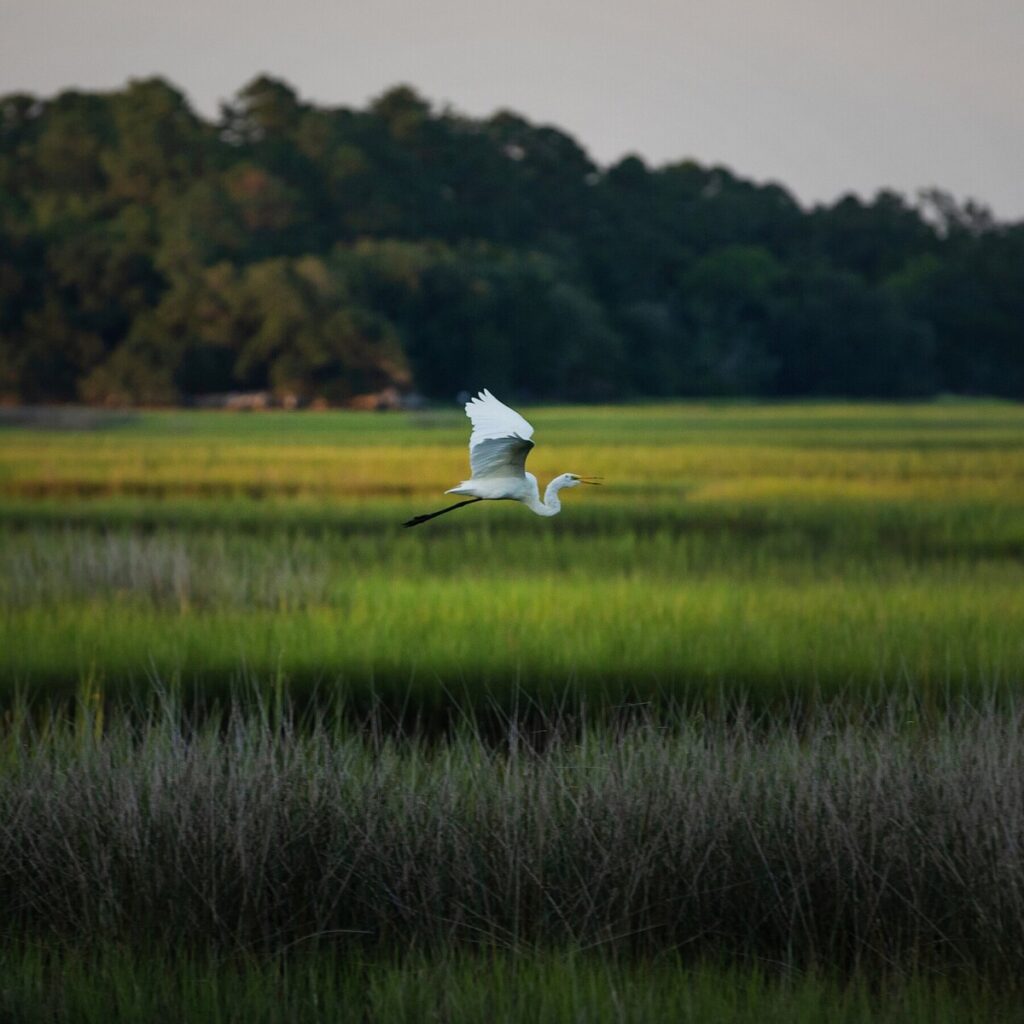
E.P.A. Drastically Limits Protections for Wetlands
In a significant shift in environmental policy, the U.S. government is considering a new definition of wetlands that could potentially strip federal protections from approximately 55 million acres of these crucial ecosystems, which accounts for about 85 percent of all wetlands across the country. This proposed change stems from ongoing debates about the scope of federal authority under the Clean Water Act, a landmark legislation aimed at safeguarding the nation’s water resources. The new definition would narrow the criteria for what constitutes federally protected wetlands, focusing primarily on those that are directly connected to navigable waters. Critics argue that this move could lead to widespread ecological damage, as wetlands play a vital role in filtering pollutants, providing habitat for wildlife, and protecting against flooding.
The implications of this policy shift are profound, particularly for states that rely heavily on wetlands for environmental health and biodiversity. For instance, in states like Louisiana and Florida, where wetlands are integral to the ecosystem and economy, the loss of federal protections could accelerate habitat degradation and diminish the natural barriers that protect communities from storm surges and flooding. Environmental advocates are alarmed, warning that the proposed changes could undermine decades of conservation efforts and lead to increased development in sensitive areas. They cite examples from previous rollbacks in protections, which have often resulted in habitat loss and negative impacts on water quality. As the federal government moves forward with this reevaluation, the debate continues to unfold, with significant consequences for both the environment and local communities at stake.
As stakeholders from various sectors weigh in, the discourse around the new wetlands definition highlights a broader tension between environmental conservation and economic development. Proponents of the change argue that reducing federal oversight can stimulate growth and provide more flexibility for landowners. However, the overwhelming consensus among environmental scientists and conservationists is that wetland ecosystems are irreplaceable and essential for maintaining ecological balance. As the public and policymakers grapple with these competing interests, the potential loss of protections for millions of acres of wetlands raises critical questions about the future of environmental policy in the United States and the long-term health of its natural resources.
The new definition could strip federal protections from up to 55 million acres of wetlands, or about 85 percent of all wetlands nationwide.


