
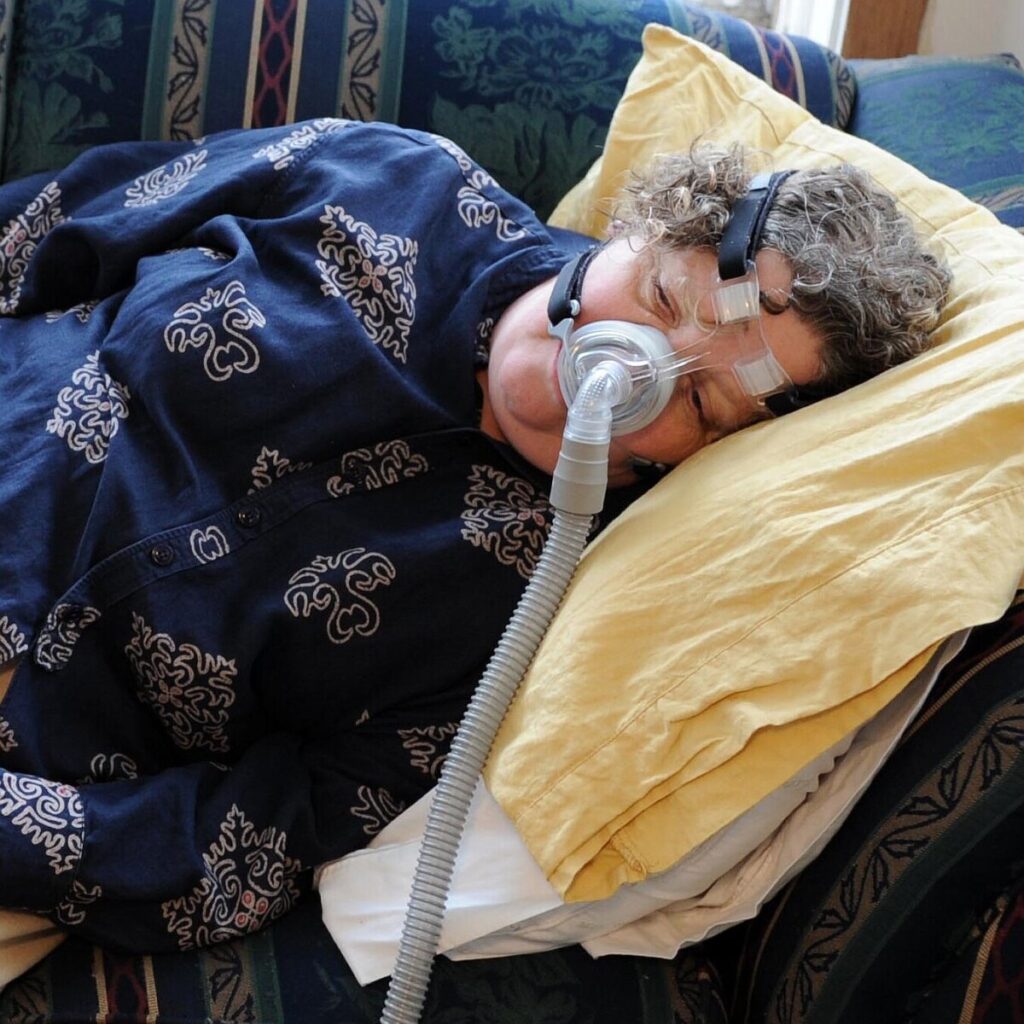
Sleep Apnea Linked to Parkinson’s Disease, New Study Finds
Recent research has revealed a significant correlation between sleep disorders and the development of Parkinson’s disease, a neurodegenerative condition that affects movement and coordination. Individuals suffering from sleep conditions, particularly REM Sleep Behavior Disorder (RBD), have been found to have a markedly higher risk of developing Parkinson’s in their later years. RBD is characterized by the acting out of dreams, often resulting in physical movements during sleep that can lead to injury. This linkage underscores the importance of recognizing and treating sleep disorders not only for immediate health benefits but also for their potential long-term implications on neurological health.
In a groundbreaking study, researchers identified that those with RBD were more than five times as likely to develop Parkinson’s disease within a decade compared to those without the disorder. This statistic highlights a critical window for intervention. Fortunately, the research also points to a promising treatment option: the use of melatonin, a hormone that regulates sleep-wake cycles. Clinical trials have shown that melatonin can significantly alleviate symptoms of RBD, potentially delaying or even preventing the onset of Parkinson’s disease in at-risk individuals. This finding opens new avenues for both treatment and preventative strategies, emphasizing the need for greater awareness and proactive measures in managing sleep health as a means of safeguarding against neurodegenerative diseases.
As the medical community continues to explore the intricate relationship between sleep and neurological health, these findings serve as a call to action for both patients and healthcare providers. Early identification and treatment of sleep disorders could play a crucial role in reducing the incidence of Parkinson’s disease, suggesting that a holistic approach to health, which includes prioritizing quality sleep, is essential. By integrating sleep health into regular medical assessments, practitioners can better support patients in mitigating their risk of developing serious conditions like Parkinson’s, ultimately leading to improved quality of life and longevity.
Those with the sleep condition were more likely to develop Parkinson’s disease. But one treatment was found to help.


