
Sleep Apnea Linked to Parkinson’s Disease, New Study Finds
Recent research has unveiled a concerning link between a common sleep disorder, specifically obstructive sleep apnea (OSA), and an increased risk of developing Parkinson’s disease. OSA, characterized by repeated interruptions in breathing during sleep, affects millions globally and has been associated with various health issues, including cardiovascular problems and metabolic disorders. The new study highlights that individuals diagnosed with OSA are not only at risk for these conditions but also face a significantly heightened likelihood of developing Parkinson’s disease later in life. This finding is particularly alarming given the growing prevalence of sleep apnea, especially among older adults, and underscores the importance of recognizing and treating sleep disorders as a potential preventive measure against neurodegenerative diseases.
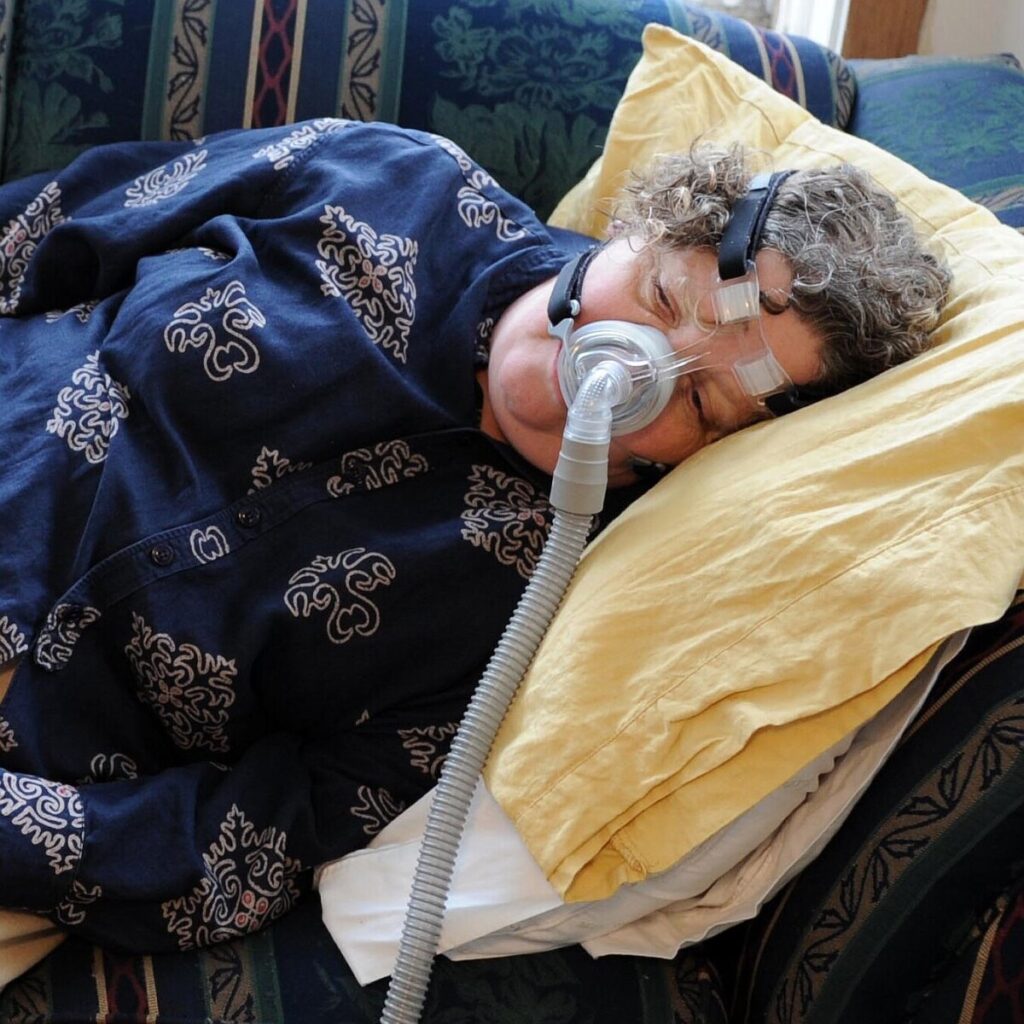
In a promising turn of events, researchers identified that continuous positive airway pressure (CPAP) therapy, the standard treatment for OSA, may play a crucial role in mitigating this risk. CPAP therapy works by providing a steady stream of air to keep the airways open during sleep, thereby reducing the number of apneas and improving overall sleep quality. The study suggests that individuals with OSA who adhere to CPAP treatment not only experience better sleep but may also lower their chances of developing Parkinson’s disease. This finding is significant, as it opens avenues for further research into the therapeutic benefits of CPAP beyond its immediate effects on sleep quality, potentially offering a proactive approach to reducing the incidence of Parkinson’s disease among those at risk.
These insights are vital for both healthcare providers and patients, emphasizing the need for early diagnosis and effective management of sleep disorders. As awareness grows regarding the interconnectedness of sleep health and neurological conditions, the importance of addressing OSA becomes increasingly clear. With millions affected by sleep apnea, implementing routine screenings and promoting CPAP therapy could be essential steps in safeguarding against the long-term consequences of untreated sleep disorders. This research not only highlights the critical need for comprehensive sleep health strategies but also reinforces the idea that treating sleep apnea may have far-reaching benefits, potentially altering the trajectory of neurodegenerative diseases like Parkinson’s.
Those with the sleep condition were more likely to develop Parkinson’s disease. But one treatment was found to help.


