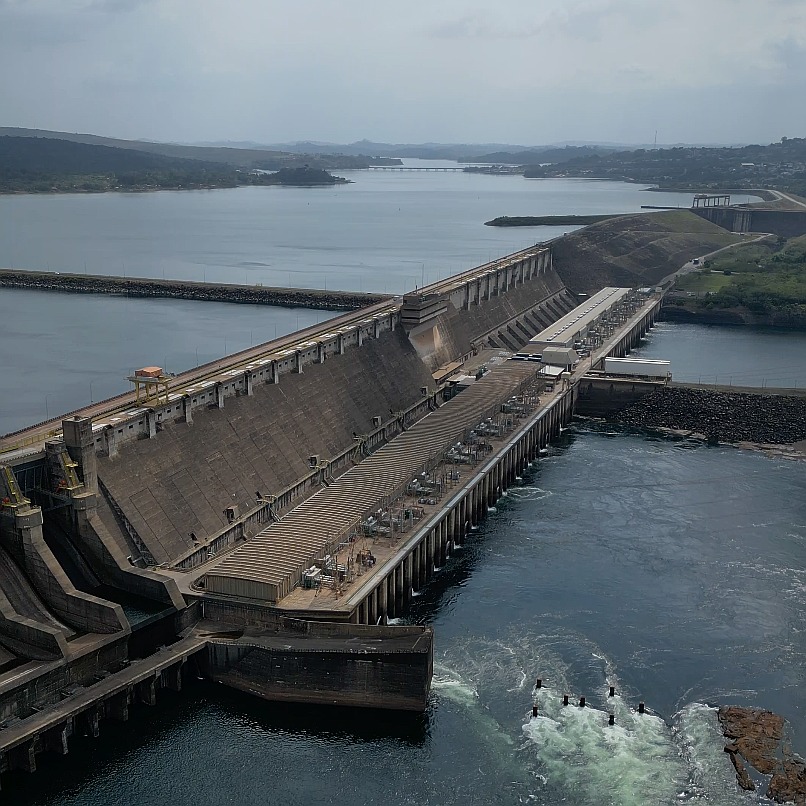
Hydropower Is Getting Less Reliable as the World Needs More Energy
As global demand for electricity surges, the reliability of hydroelectric power—one of the oldest and most established sources of clean energy—is increasingly jeopardized by the impacts of climate change. Hydroelectric plants, which harness the energy of flowing water to produce electricity, have long been celebrated for their low carbon emissions and ability to provide a stable power supply. However, the rising frequency of extreme weather events, such as droughts and floods, is disrupting water levels in rivers and reservoirs crucial for hydroelectric generation. For instance, regions that typically experience steady rainfall are facing prolonged dry spells, resulting in diminished water flow and, consequently, reduced electricity output from hydro plants.
Recent studies highlight that countries heavily reliant on hydroelectric power are grappling with significant challenges. In the western United States, for example, a prolonged drought has led to alarming drops in water levels at major reservoirs like Lake Mead and Lake Powell. This has forced energy producers to seek alternative, often less environmentally friendly, sources of energy to meet demand, thus undermining the very goals of sustainability that hydroelectric power aims to achieve. Similarly, in countries like Brazil and India, erratic rainfall patterns have led to power shortages, prompting governments to reassess their energy portfolios. The situation is further compounded by the increasing unpredictability of weather patterns, making it difficult for energy planners to anticipate water availability for hydroelectric generation.
As the demand for clean energy continues to grow, the struggle of hydroelectric plants underscores the urgent need for a diversified energy strategy. While hydroelectricity remains a vital component of the renewable energy landscape, it is becoming increasingly clear that reliance solely on this source may not be sustainable in the face of climate change. Energy experts advocate for a balanced approach that includes investments in other renewable technologies, such as solar and wind, which are less vulnerable to the whims of weather. Additionally, enhancing energy storage solutions and improving grid infrastructure can help mitigate the impacts of fluctuating hydroelectric output. As nations strive to transition to greener energy sources, the challenges faced by hydroelectric power serve as both a warning and a call to action to adapt and innovate in the pursuit of a sustainable energy future.
Demand for power is growing fast, but hydro plants, the oldest source of clean energy, are struggling because of droughts, floods and other extreme weather linked to climate change.


