Greenpeace Faces an Unusual New Legal Attack From a Pipeline Giant
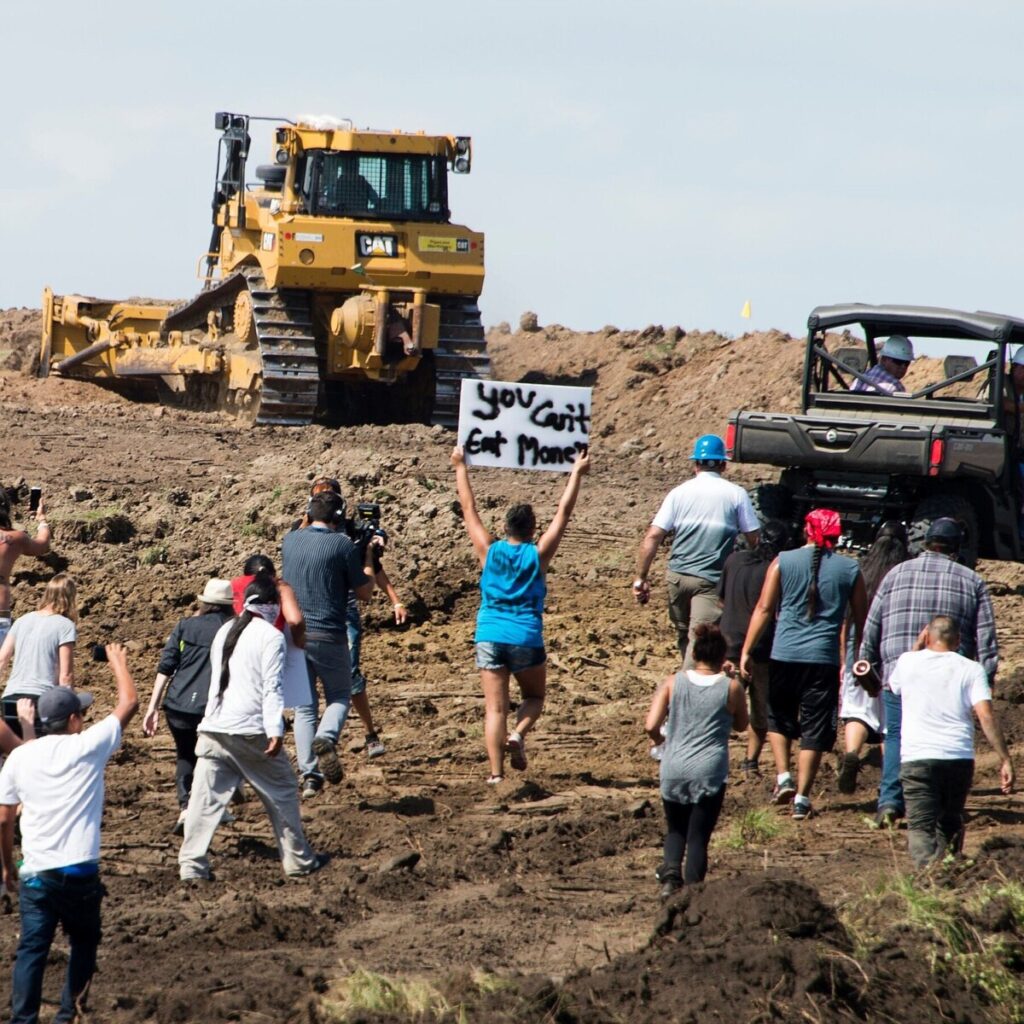
In September 2016, the Dakota Access Pipeline (DAPL) became a focal point for environmental and indigenous rights activists when protests erupted near Cannonball, North Dakota. The pipeline, designed to transport crude oil from the Bakken oil fields in North Dakota to Illinois, faced fierce opposition from the Standing Rock Sioux Tribe and its supporters, who argued that the project threatened their water supply and sacred lands. The protests drew national and international attention, highlighting the ongoing struggles of Indigenous peoples against corporate interests and environmental degradation. Demonstrators camped at the Standing Rock encampment, where they employed a variety of tactics, including peaceful protests, legal challenges, and social media campaigns, to voice their dissent and raise awareness about the potential ecological impacts of the pipeline.
Recently, a court ruling has reignited discussions about the role of activist organizations in such protests. Earlier this year, a federal court found Greenpeace liable for its involvement in the demonstrations against the Dakota Access Pipeline. The ruling underscores the legal challenges faced by environmental groups, which often find themselves at the intersection of activism and litigation. Greenpeace was accused of conspiring to disrupt the construction of the pipeline, and the court’s decision has broader implications for how environmental organizations operate in the face of corporate and governmental pushback. This case exemplifies the ongoing tensions between economic development, environmental stewardship, and Indigenous rights, as well as the legal ramifications that can arise from grassroots activism.
The Dakota Access Pipeline protests not only spotlighted the environmental concerns associated with fossil fuel infrastructure but also served as a rallying point for a broader movement advocating for Indigenous sovereignty and climate justice. The Standing Rock protests became emblematic of a larger struggle against colonialism and environmental exploitation, drawing thousands of supporters from across the country and around the world. As the legal landscape surrounding such protests continues to evolve, the implications of the recent court ruling could have lasting effects on the strategies employed by environmental activists and their ability to mobilize against projects they view as harmful to the planet and marginalized communities. The outcome of this case may set a precedent for how future protests are conducted and the extent to which organizations can be held accountable for their involvement in civil disobedience.
Protesting the Dakota Access Pipeline project near Cannonball, N.D., in September 2016. Earlier this year a court found Greenpeace liable for its role in demonstrations there.


