‘Climate-Friendly’ Beef Now Has to Prove It
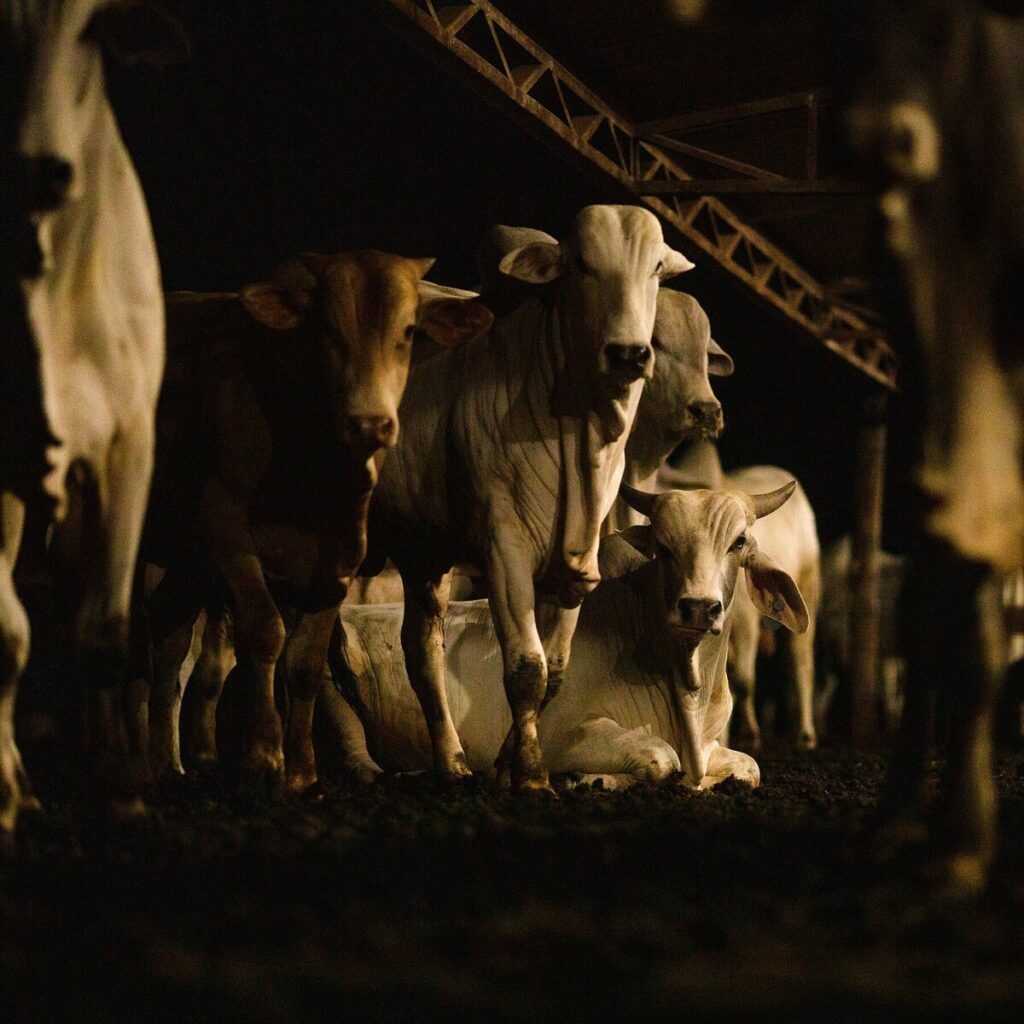
In the heart of Brazil’s agricultural landscape, JBS, one of the world’s largest meat processing companies, has become a focal point in discussions surrounding sustainable agriculture and environmental responsibility. The company operates extensive feedlots that house millions of cattle, raising critical questions about the environmental impact of beef production. With Brazil being one of the leading beef exporters globally, the practices employed by JBS and similar companies are under scrutiny as they contribute significantly to deforestation, greenhouse gas emissions, and biodiversity loss in the Amazon rainforest. This region is not only crucial for global climate regulation but also home to a diverse array of wildlife and indigenous communities.
Recent reports highlight the challenges and efforts surrounding JBS’s operations, particularly in relation to the sustainability of its supply chain. Activists and environmental organizations have pointed out that cattle ranching is a primary driver of deforestation in Brazil, with vast areas of rainforest cleared to create pastureland. In response to mounting pressure, JBS has announced initiatives aimed at reducing its environmental footprint, including commitments to eliminate deforestation from its supply chain by 2030. The company is also investing in technology to monitor its cattle sourcing and ensure compliance with environmental regulations. However, critics argue that these measures may not be sufficient, as the scale of deforestation and land-use changes continues to be alarming.
The complexity of the beef industry’s impact on the environment is further illustrated by the economic factors at play. Beef is a staple protein source in many diets worldwide, and the demand for Brazilian beef remains high. This demand creates a tension between economic growth and environmental stewardship. While JBS’s efforts to adopt more sustainable practices are a step in the right direction, the effectiveness of these initiatives will depend on rigorous enforcement and transparency. The conversation around sustainable beef production is evolving, and as consumers become more aware of the environmental implications of their food choices, companies like JBS will need to adapt to meet the growing demand for responsibly sourced products. The future of beef production in Brazil may hinge on balancing economic interests with the urgent need for environmental conservation, making it a pivotal moment for both the industry and the planet.
Cattle on a feedlot in Brazil, where JBS, the beef giant, is headquartered.


