Home Prices on a Warming Planet
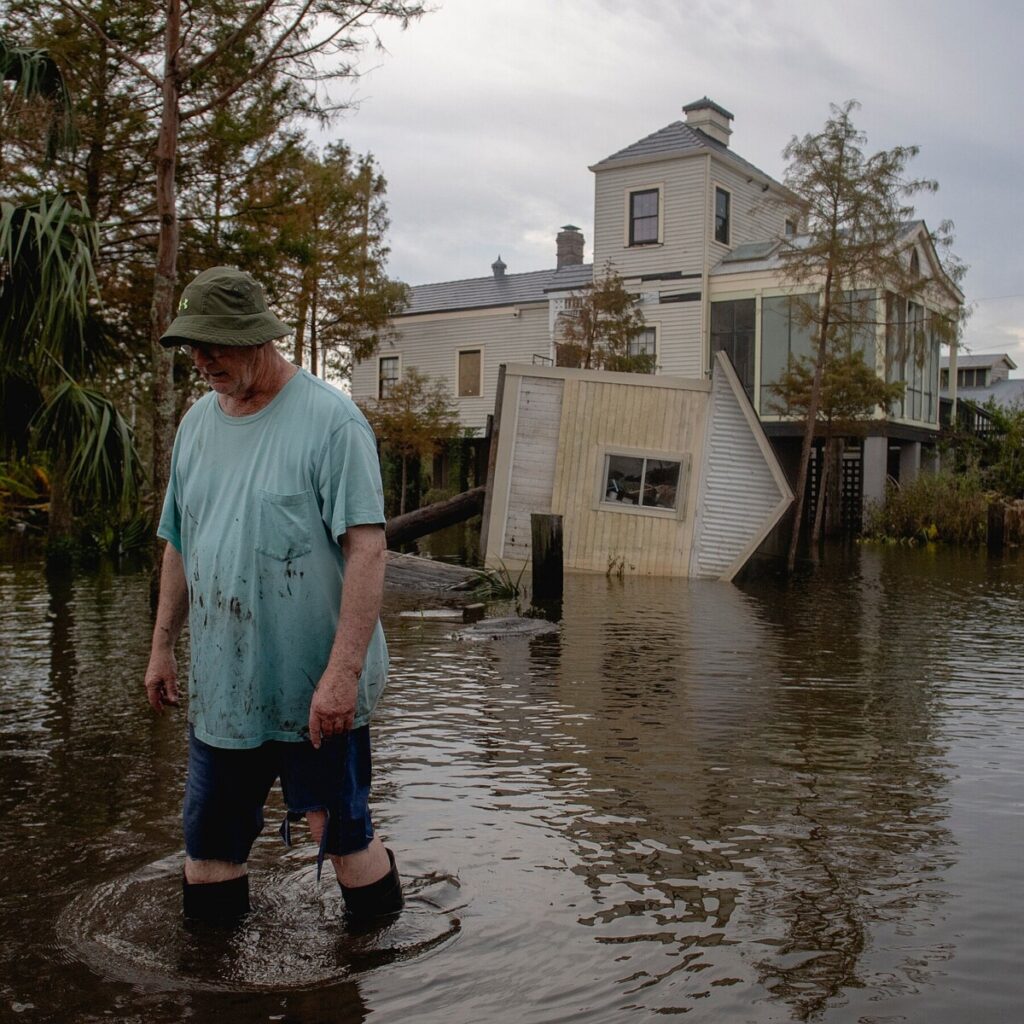
In the wake of Hurricane Ida in 2021, the small community of Lafitte, Louisiana, faced devastating flooding that underscored the increasing vulnerability of certain regions to climate-related disasters. As extreme weather events become more frequent and severe due to climate change, insurance companies are responding by significantly raising premiums in areas deemed high-risk. Lafitte, along with other locations prone to hurricanes, wildfires, and hailstorms, is experiencing some of the most substantial increases in insurance costs, which poses a financial burden on residents already grappling with the aftermath of natural disasters.
The trend of soaring insurance premiums highlights a broader issue affecting homeowners in disaster-prone areas. For instance, in Lafitte, many residents have found their insurance costs doubling or even tripling since Hurricane Ida, making it increasingly difficult for families to afford coverage. This rise is not just limited to Louisiana; states like California and Texas are also witnessing similar spikes in homeowners’ insurance costs due to wildfires and severe weather patterns. The National Oceanic and Atmospheric Administration (NOAA) has reported that the frequency of billion-dollar weather disasters has surged, prompting insurers to reassess their risk models and adjust premiums accordingly. As a result, homeowners in vulnerable regions are left with tough choices: either pay the higher premiums or risk being underinsured in the face of future disasters.
This situation raises critical questions about the long-term sustainability of living in high-risk areas. As insurance becomes less affordable, some residents may be forced to relocate, further exacerbating the challenges faced by these communities. Policymakers and insurance regulators are now tasked with finding solutions that balance the need for affordable coverage with the realities of climate change. Innovative approaches, such as government-backed insurance programs or investments in community resilience, may be necessary to protect homeowners and ensure that vulnerable areas can withstand the impacts of climate-related disasters. The situation in Lafitte serves as a microcosm of a larger national issue, highlighting the urgent need for comprehensive strategies to address the intersection of climate change, insurance, and community resilience.
Flooding in Lafitte, La., after Hurricane Ida in 2021. Places that are most vulnerable to climate-related disasters like hurricanes, fires and hail are seeing some of the largest premium increases.


