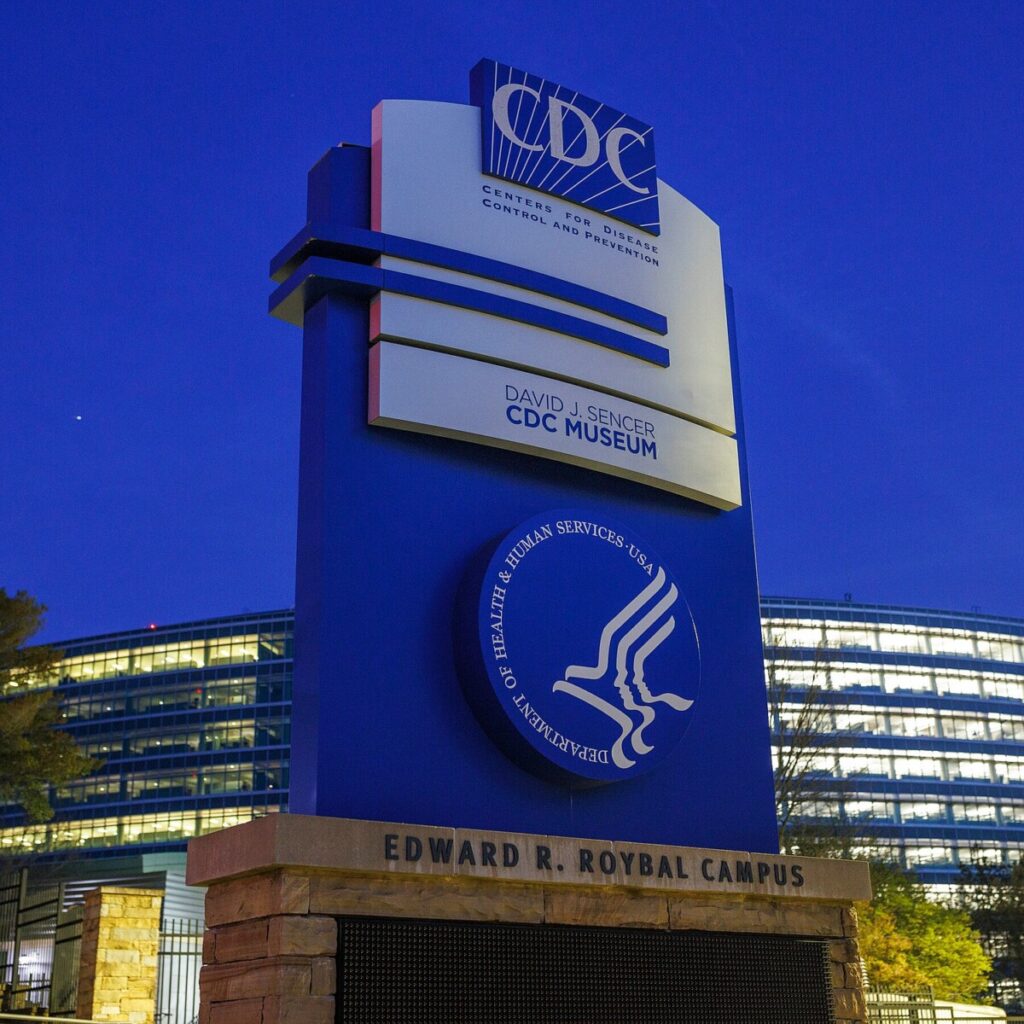
C.D.C. Website No Longer Rejects Possible Link Between Autism and Vaccines
In a recent update to their official webpage, the Centers for Disease Control and Prevention (C.D.C.) sparked significant discussion by stating that the assertion “vaccines do not cause autism” lacks a solid evidence-based foundation. This statement has reignited debates surrounding the controversial topic of vaccine safety and the potential link to autism, a condition that affects approximately 1 in 36 children in the United States, according to the CDC. The language used by the C.D.C. has raised eyebrows, particularly among both vaccine advocates and skeptics, as it suggests that the possibility of a connection between infant vaccinations and autism has not been entirely dismissed by scientific research.
Historically, the debate over vaccines and autism gained widespread attention following a discredited study published in 1998 by Andrew Wakefield, which falsely linked the MMR (measles, mumps, and rubella) vaccine to autism. Although numerous studies have since refuted this claim, the stigma surrounding vaccines has persisted, fueled by a mix of misinformation and anecdotal evidence. The C.D.C.’s recent statement appears to acknowledge that while extensive research has not found a causal link, the door remains slightly ajar for future investigations. This nuanced position may reflect the agency’s intent to promote transparency while also addressing public concerns about vaccine safety.
The implications of this statement are profound, as they could influence public perception and vaccination rates, which are critical for maintaining herd immunity. The C.D.C. has emphasized the importance of vaccines in preventing serious diseases, yet this new wording may inadvertently lend credence to vaccine hesitancy among parents who are already skeptical. As public health officials work to combat misinformation, they face the challenge of reassuring the public about vaccine safety while navigating the complexities of scientific inquiry. This ongoing dialogue underscores the need for clear communication and education surrounding vaccines to foster trust and encourage informed decision-making among parents and caregivers.
The current C.D.C. webpage states: “The claim ‘vaccines do not cause autism’ is not an evidence-based claim because studies have not ruled out the possibility that infant vaccines cause autism.”


