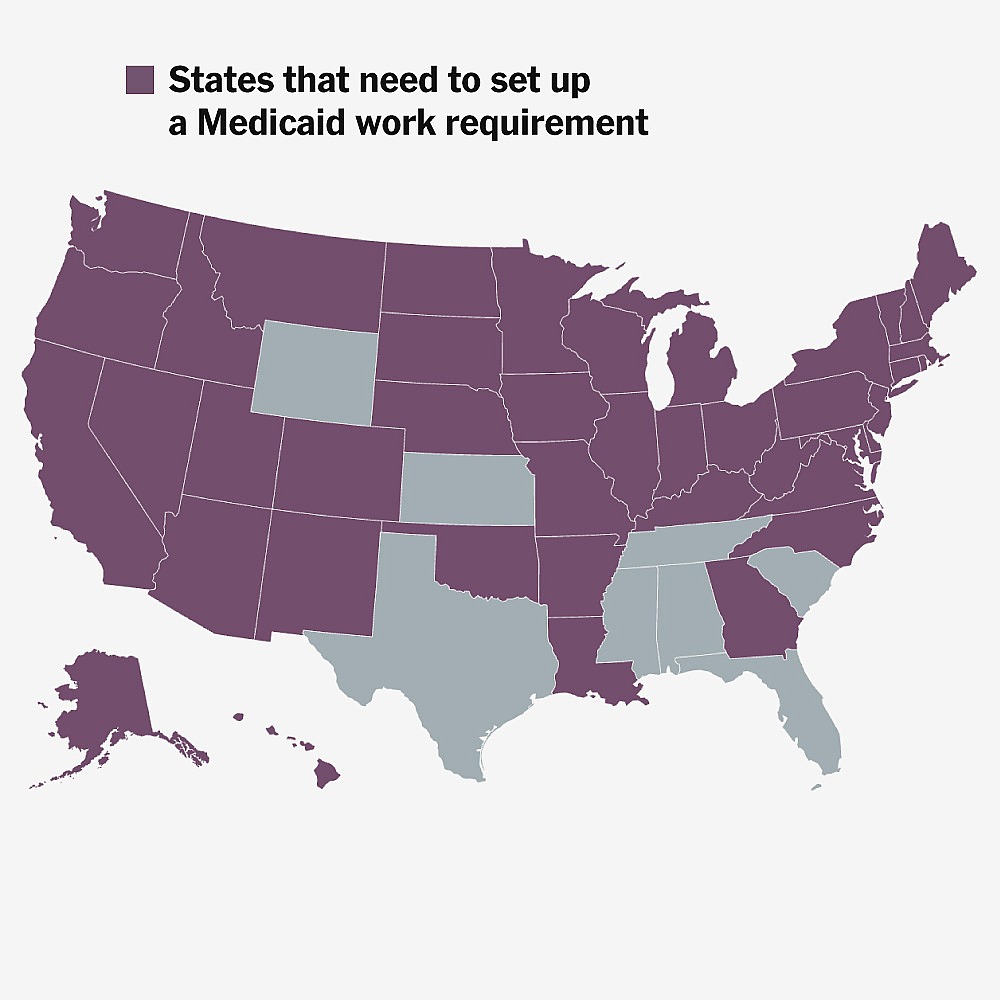
How Medicaid’s New Work Requirement Will Work
In a significant shift affecting low-income Americans, recent changes to enrollment processes for public assistance programs are set to create new challenges for many individuals and families seeking support. With the expiration of certain federal protections that expanded access to Medicaid and food assistance during the pandemic, states are now tasked with implementing new bureaucratic systems to manage the influx of applications and ensure that eligible residents receive the help they need. This transition is particularly concerning as it comes at a time when many Americans are still grappling with the economic fallout from the COVID-19 pandemic, rising inflation, and increased living costs.
One key aspect of this transition is the requirement for states to verify the eligibility of recipients more rigorously. For instance, states will need to establish new systems to track income changes and other qualifying factors, which could lead to delays in processing applications. Many states are already reporting challenges in their ability to meet these new requirements, citing limited resources and staffing issues. For example, in states like Texas and Florida, where the demand for assistance is high, officials predict significant backlogs that could leave thousands of low-income residents without necessary support. This bureaucratic burden may disproportionately affect marginalized communities, who often face barriers in accessing information and navigating complex application processes.
Moreover, the shift in enrollment procedures underscores a broader trend of increasing eligibility requirements and administrative hurdles that can deter individuals from seeking assistance. Advocacy groups warn that these changes could lead to a rise in food insecurity and health disparities among low-income populations. As states scramble to adapt, the long-term implications of these policy adjustments remain uncertain. Policymakers and community organizations must work collaboratively to ensure that the systems put in place are not only efficient but also accessible, particularly for those who need assistance the most. Without careful attention to these challenges, the goal of providing a safety net for vulnerable populations may be jeopardized, leaving many Americans to face an uphill battle in securing the support they desperately need.
Poor Americans will face new challenges to enroll, and states will have to build new bureaucracies.