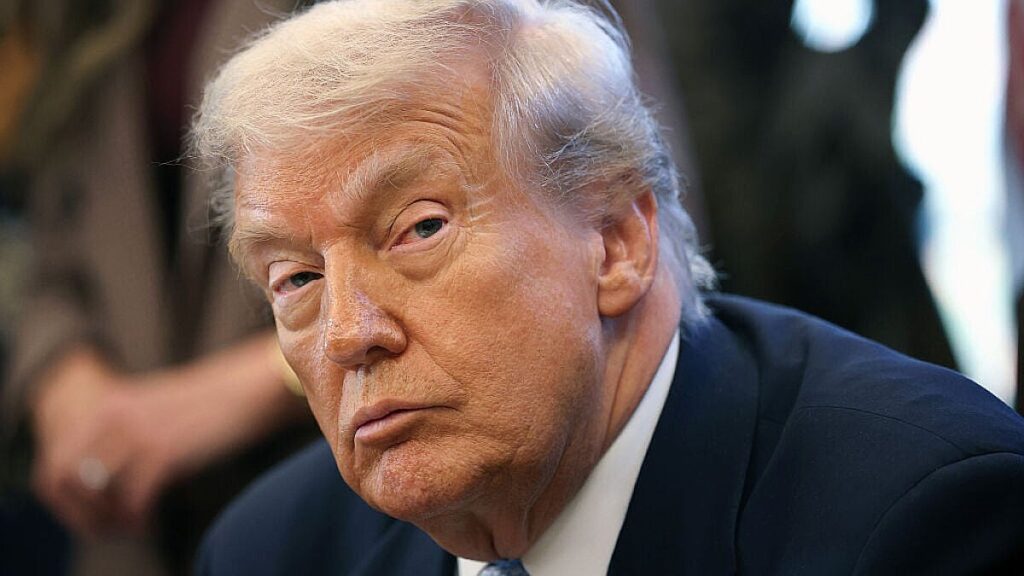
White House pulls back on AI laws executive order
In a significant turn of events regarding the regulation of artificial intelligence (AI) in the United States, the Trump administration has paused a proposed executive order that would have prohibited states from establishing their own AI laws. This decision, reported by Reuters, comes amidst growing public concern about the implications of federal overreach into state governance. The draft order, which had not been officially confirmed by the White House, was seen as a move to centralize AI regulation under federal jurisdiction, thereby limiting states’ autonomy to craft their own regulatory frameworks. For the time being, this pause allows states to continue developing their own AI regulations without federal interference, which could lead to a diverse landscape of laws tailored to regional needs and concerns.
The context surrounding this development is crucial. Earlier this year, the Senate overwhelmingly rejected a similar measure aimed at restricting state-level AI legislation, with a stunning vote of 99-1. This reflects a bipartisan recognition of the importance of allowing states to address the unique challenges posed by AI technologies. The recently stalled executive order was reportedly intended to leverage legal threats and the withdrawal of federal funding to enforce compliance among states. However, the strong opposition in the Senate indicates a significant pushback against such federal control. Notably, major tech companies like OpenAI and Google have expressed support for allowing states to regulate AI independently, suggesting that the industry itself sees value in a more localized approach to regulation.
While the current pause is a victory for states advocating for their right to regulate AI, it remains uncertain whether the Trump administration will attempt to revive this initiative in the future. The ongoing debate highlights the balancing act between federal oversight and state autonomy in the rapidly evolving field of AI. As states begin to implement their own regulations, the outcomes could serve as important case studies for the rest of the country, potentially influencing future federal policies. This situation underscores the dynamic interplay between technology, governance, and public policy, as stakeholders from various sectors navigate the complexities introduced by AI advancements.
https://www.youtube.com/watch?v=4e9yIddFxJA
U.S. states can craft their own
AI
regulations without intervention from the federal government, for now, at least.
Reuters
reported that the Trump administration has paused a proposed executive order that would have preempted states from enacting their own AI laws. The draft order became a matter of public concern early last week, but the White House called it purely speculation and did not confirm its existence to Reuters. At this point, it appears that the federal government’s efforts to block states from regulating AI on their own terms are at a standstill.
SEE ALSO:
Seth Meyers spends 5 minutes unpacking Trump’s lengthy Epstein rant on Truth Social
That doesn’t mean Trump and co. won’t try again, of course. The Senate had to vote down a
similar measure
earlier this year by a staggering 99-1 count. The executive order that was paused last week would have used lawsuits and threats to withdraw federal funding and prevent states from regulating AI.
It is very possible that Trump will try to find another way to prevent states from drafting their own AI laws, especially considering that companies like
OpenAI
and
Google
support such an idea, according to Reuters.