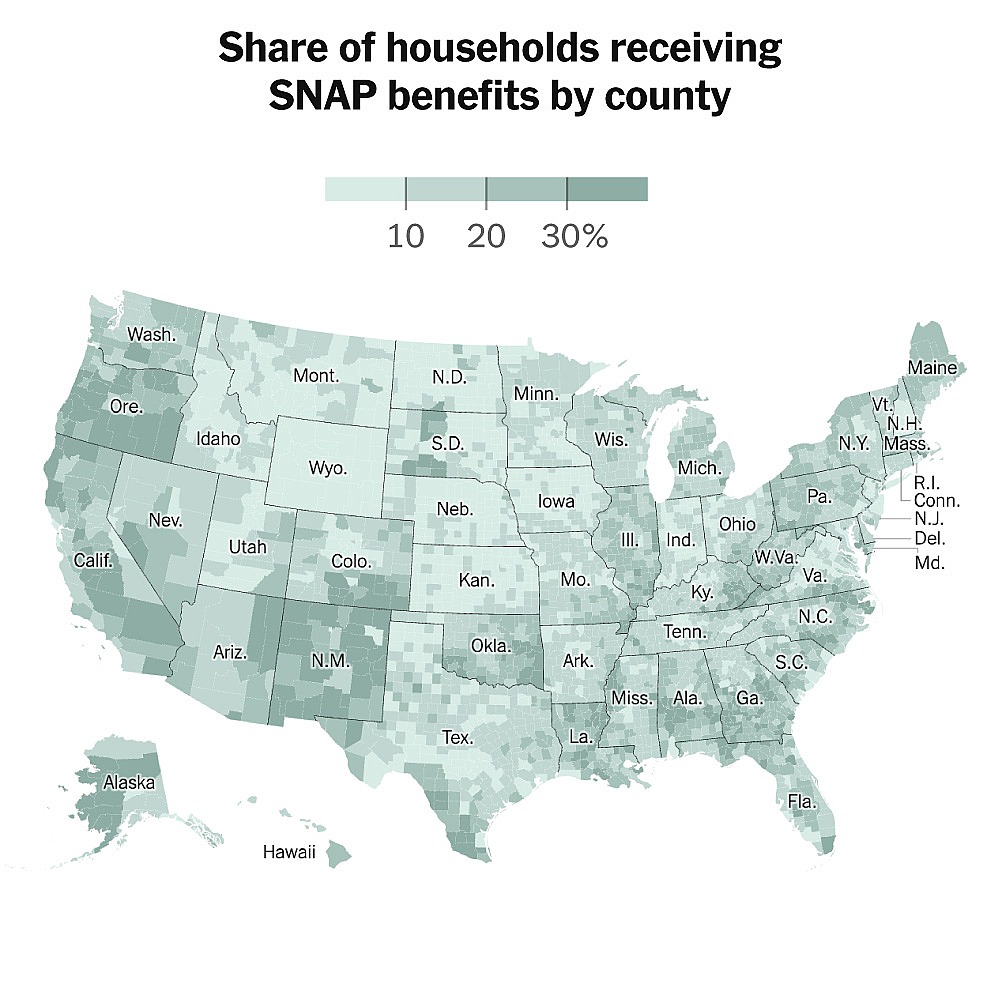
SNAP Map: Here’s Who Will Be Affected by Disruptions to Food Aid
In a recent analysis of the Supplemental Nutrition Assistance Program (SNAP), it has been revealed that a significant number of recipients reside in Democratic-leaning districts. This finding underscores the political and social dynamics surrounding food assistance programs in the United States. While the data suggests a higher concentration of SNAP beneficiaries in these areas, it is essential to note that the program’s impact is felt nationwide, transcending party lines and geographic boundaries. SNAP serves millions of Americans, providing crucial support to families facing food insecurity, regardless of their political affiliations.
For instance, in states like California and New York, where Democratic representatives dominate, SNAP enrollment has surged, reflecting the economic challenges many residents face. However, the program is not limited to urban centers; rural areas, often represented by Republican lawmakers, also rely heavily on SNAP to support their communities. In fact, many rural counties across the country experience high rates of food insecurity, illustrating that the need for assistance is a bipartisan issue. According to recent statistics, approximately 41 million individuals, or about 12% of the U.S. population, rely on SNAP benefits, highlighting the program’s extensive reach and importance in combating hunger.
The implications of these findings are multifaceted. They challenge stereotypes about who benefits from government assistance and emphasize the necessity of bipartisan support for SNAP. As policymakers navigate the complexities of food security, understanding the demographics and distribution of SNAP recipients can lead to more effective strategies in addressing hunger. Whether in urban or rural settings, the need for reliable food assistance remains a pressing concern that demands attention and action from all corners of the political spectrum. Ultimately, SNAP not only alleviates immediate hunger but also plays a critical role in fostering economic stability and resilience in communities across the nation.
More SNAP recipients live in Democratic districts. But the program touches every corner of the country.