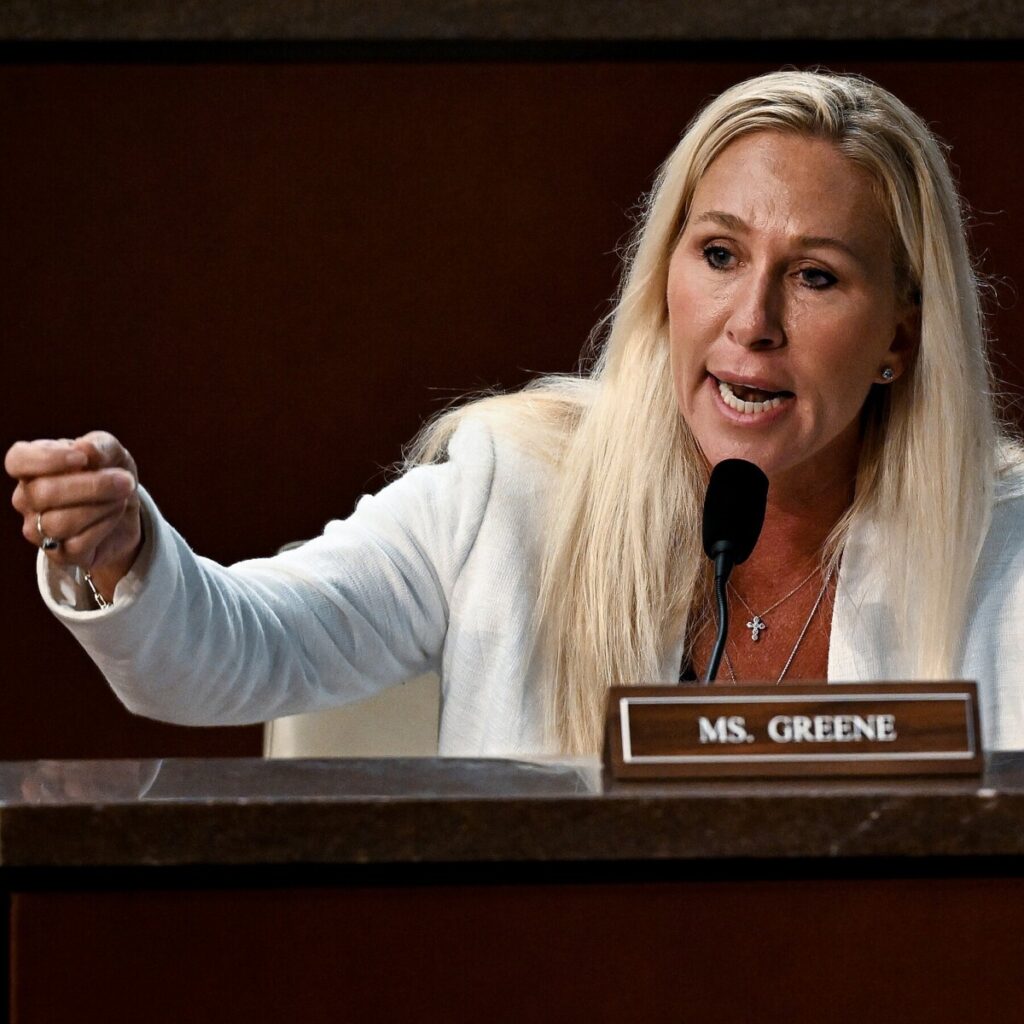
Marjorie Taylor Greene Says She Will Resign in January, After Break From Trump
In a recent statement that has garnered significant attention, Congresswoman Marjorie Taylor Greene emphasized the importance of mutual loyalty in political representation, asserting that loyalty should be a two-way street. Greene’s remarks come amid growing concerns about the dynamics between elected officials and their constituents, particularly in a political landscape often characterized by partisan divides. She argued that representatives have a duty not only to their party but also to the voters who elected them, suggesting that lawmakers should prioritize the interests of their districts over strict party allegiance. This perspective resonates with many constituents who feel that their voices are often drowned out by party politics.
Greene’s comments highlight a critical issue in contemporary politics: the need for representatives to vote their conscience and advocate for the specific needs of their communities. For example, she pointed to instances where party loyalty may hinder a representative’s ability to address pressing local issues, such as economic challenges, public safety, and healthcare. Greene’s call for a more conscientious approach to governance reflects a growing sentiment among voters who desire transparency and accountability from their leaders. By framing loyalty as a two-way street, Greene encourages a reevaluation of how elected officials engage with their constituents, advocating for a model of representation that prioritizes the voices of the people over partisan pressures.
This dialogue is particularly relevant as the nation heads into another election cycle, where voters are increasingly demanding that their representatives be responsive and responsible. Greene’s assertion that representatives should be able to “vote our conscience” aligns with a broader movement advocating for political accountability and responsiveness. As citizens become more engaged and informed, they are likely to hold their elected officials to higher standards, expecting them to balance party loyalty with the unique needs and concerns of their districts. This shift could potentially reshape the political landscape, fostering an environment where elected officials feel empowered to act in the best interest of their constituents, ultimately leading to a more representative and effective government.
“Loyalty should be a two-way street, and we should be able to vote our conscience and represent our district’s interest,” Ms. Greene wrote.