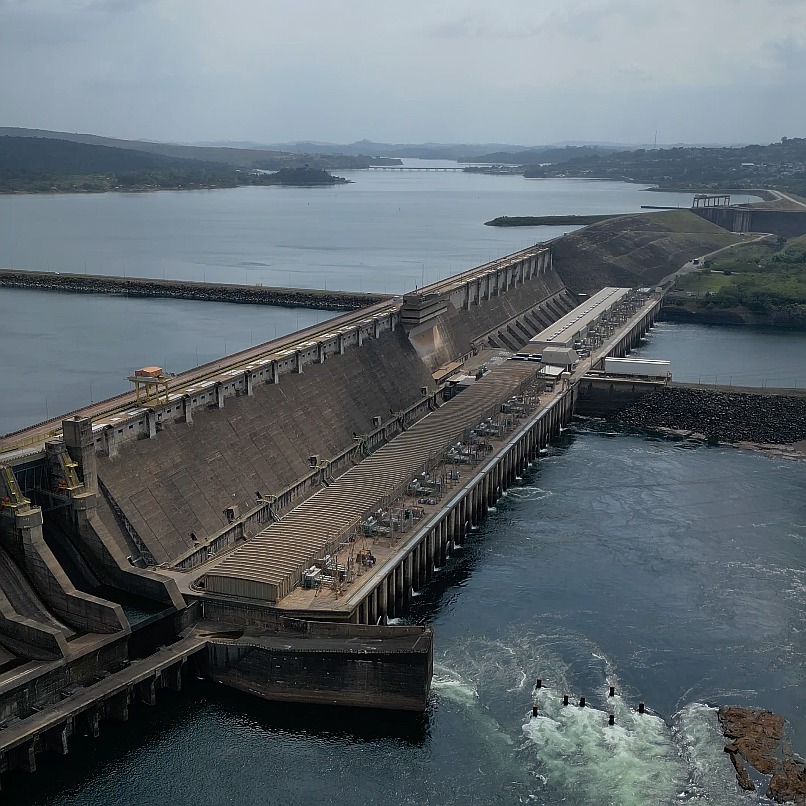
Hydropower Is Getting Less Reliable as the World Needs More Energy
As the global demand for energy continues to surge, hydroelectric power plants—the oldest and traditionally reliable source of clean energy—are facing significant challenges. The increasing frequency of extreme weather events, including droughts and floods, largely attributed to climate change, is severely impacting the efficiency and reliability of these facilities. Hydropower has long been celebrated for its ability to generate electricity without emitting greenhouse gases, but the changing climate is disrupting water availability, which is crucial for hydroelectric generation. For instance, prolonged droughts can reduce water levels in reservoirs, limiting the capacity of hydro plants to produce energy. Conversely, intense floods can damage infrastructure and disrupt operations, leading to further inefficiencies.
Recent studies have highlighted the alarming trend of declining hydroelectric output in regions heavily reliant on this energy source. In the western United States, for example, states like California and Oregon have reported significant drops in hydropower generation due to prolonged drought conditions. The U.S. Department of Energy has indicated that hydropower generation in the Pacific Northwest fell by nearly 20% over the past year, a stark reminder of how climate variability can undermine renewable energy sources. This situation is further complicated by the increasing demand for electricity, driven by population growth and the transition to electric vehicles, which places additional pressure on energy systems that are already strained.
The implications of these challenges are profound, as the world strives to transition to a more sustainable energy future. While hydroelectric power remains a cornerstone of renewable energy strategies, the increasing unpredictability of water resources necessitates a reevaluation of energy policies and investments. Policymakers and energy producers are now exploring alternative solutions, such as integrating more diverse renewable sources like wind and solar, which can complement hydropower and provide a more resilient energy grid. Additionally, advancements in energy storage technologies may play a crucial role in balancing supply and demand, ensuring that clean energy remains available even when hydroelectric generation is hampered by adverse weather conditions. As the climate crisis unfolds, the energy sector must adapt and innovate to maintain a reliable and sustainable energy supply for the future.
Demand for power is growing fast, but hydro plants, the oldest source of clean energy, are struggling because of droughts, floods and other extreme weather linked to climate change.


