Home Prices on a Warming Planet
In the wake of climate-related disasters, such as hurricanes, wildfires, and severe hailstorms, insurance premiums in vulnerable areas are experiencing significant increases. A recent analysis highlights that regions most at risk, including Lafitte, Louisiana, which was severely impacted by Hurricane Ida in 2021, are facing some of the steepest hikes in insurance costs. As climate change continues to exacerbate the frequency and intensity of these natural disasters, insurance companies are adjusting their risk assessments and pricing models, leading to higher premiums for homeowners and businesses in affected areas.
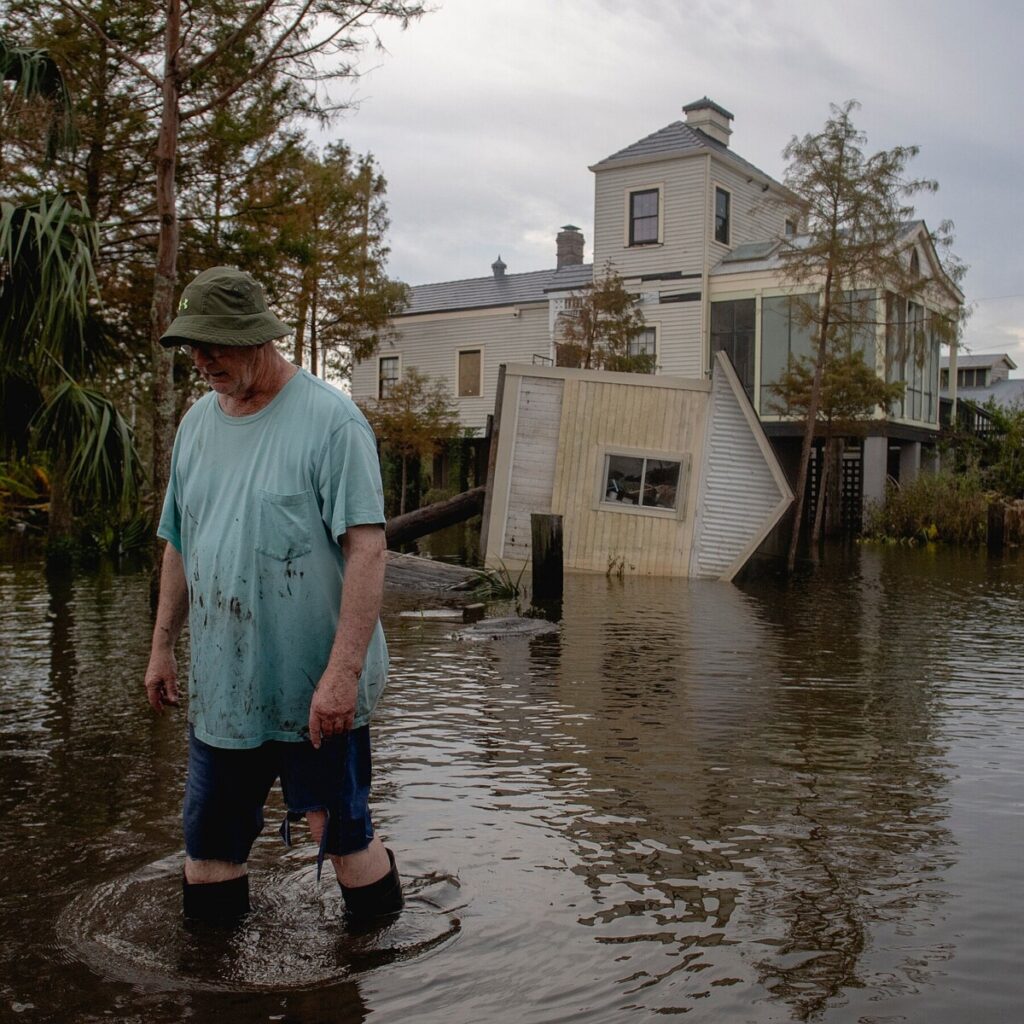
For instance, in Lafitte, where flooding devastated homes and infrastructure during Hurricane Ida, residents are now grappling with the aftermath not only in terms of physical damage but also with the financial burden of increased insurance costs. This trend is not isolated to Lafitte; across the Gulf Coast and other disaster-prone regions, homeowners are seeing their premiums rise sharply, often by hundreds or even thousands of dollars annually. The National Oceanic and Atmospheric Administration (NOAA) has reported that the U.S. is experiencing more frequent and severe weather events, making it increasingly challenging for insurers to accurately predict risks and set appropriate rates. Consequently, many homeowners are left with limited options, as some insurance providers pull back from high-risk areas altogether, further complicating the landscape for those seeking coverage.
This situation raises critical questions about the future of insurance in vulnerable regions and the broader implications for communities facing the realities of climate change. With many residents unable to afford the rising costs of premiums, there is an urgent need for policy discussions around sustainable insurance practices and potential government interventions. Furthermore, as the impacts of climate change become more pronounced, it is essential for communities to engage in proactive disaster preparedness and resilience planning to mitigate risks and protect their homes and livelihoods. The challenges faced by Lafitte and similar areas serve as a stark reminder of the urgent need for comprehensive strategies to address the intersection of climate change, disaster risk, and insurance affordability.
Flooding in Lafitte, La., after Hurricane Ida in 2021. Places that are most vulnerable to climate-related disasters like hurricanes, fires and hail are seeing some of the largest premium increases.


