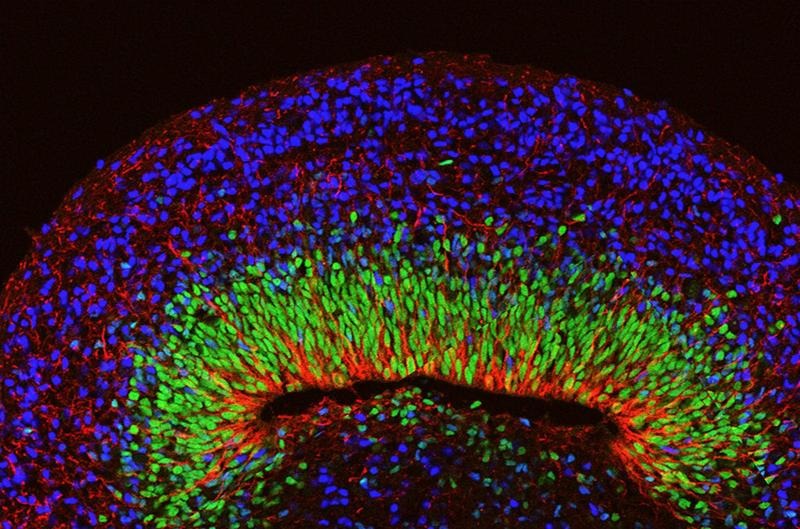
Lab-grown models of human brains are advancing rapidly. Can ethics keep pace?
In recent years, the emergence of neural organoids—miniature, simplified versions of human brain tissue grown in the lab—has revolutionized the field of neuroscience and raised ethical questions about their use. These organoids, created from stem cells, mimic certain aspects of human brain development and function, providing researchers with valuable insights into neurological diseases, brain development, and potential treatments. However, as scientists delve deeper into their capabilities, the debate intensifies over whether these organoids possess the capacity to feel pain or should be used in animal testing.
One of the most pressing concerns is the potential for neural organoids to exhibit pain perception. While organoids do not have the full complexity of a human brain, some studies suggest they can respond to stimuli in ways that resemble neural activity. This has led to discussions about the ethical implications of using organoids in experiments, particularly if they can experience discomfort or suffering. For instance, researchers have observed that when exposed to certain conditions, neural organoids can exhibit electrical activity similar to that of a developing brain. This raises significant questions about their moral status and the responsibilities of scientists in handling these entities.
Moreover, the use of neural organoids in animal research presents another layer of ethical complexity. As the scientific community grapples with the implications of these technologies, there is a growing call for clear guidelines and regulations to govern their use. Advocates argue that while organoids can provide critical insights into human brain function and disease, they should not replace traditional animal models without thorough consideration of their ethical treatment. The ongoing discussions highlight the need for a balanced approach that weighs the potential benefits of scientific advancement against the moral obligations to minimize suffering, whether in animal subjects or in the context of emerging biotechnologies. As research continues, the dialogue surrounding neural organoids will likely evolve, prompting further exploration of their implications for both science and ethics.
Whether neural organoids feel pain or should be placed in animals are among the questions swirling around biology’s hot new technology


