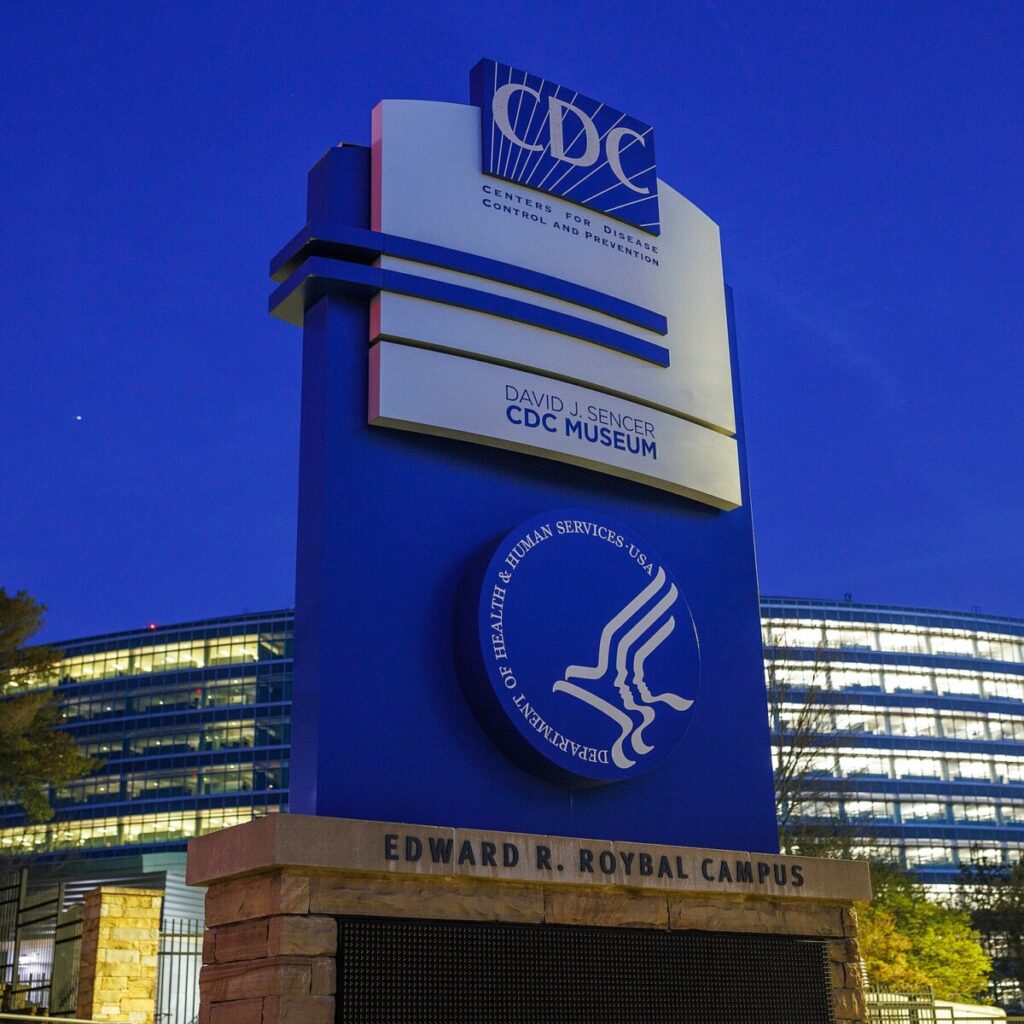
C.D.C. Website No Longer Rejects Possible Link Between Autism and Vaccines
In a recent update that has sparked considerable discussion, the Centers for Disease Control and Prevention (CDC) has revised the language on its website regarding the relationship between vaccines and autism. The webpage now states that the claim “vaccines do not cause autism” is not an evidence-based assertion, as studies have not definitively ruled out the possibility that infant vaccines could contribute to the development of autism spectrum disorder (ASD). This statement reflects an ongoing debate within the scientific community and among parents about vaccine safety and its potential links to autism, a topic that has been contentious since the late 1990s when a now-discredited study falsely suggested a connection between the MMR (measles, mumps, rubella) vaccine and autism.
Contextually, this revision comes at a time when vaccine hesitancy is on the rise, fueled by misinformation and anecdotal reports that have perpetuated fears surrounding vaccine safety. The CDC’s updated stance emphasizes the need for continued research into the causes of autism, acknowledging that while extensive studies have found no causal link between vaccines and autism, the complexity of the disorder means that all potential factors, including environmental influences and genetic predispositions, must be thoroughly investigated. For instance, a meta-analysis involving hundreds of thousands of children has consistently shown no increased risk of autism associated with vaccinations, yet the CDC’s wording suggests a cautious approach, urging both parents and researchers to remain vigilant and open to new evidence.
This nuanced position has prompted mixed reactions among public health experts and parents alike. Advocates for vaccine safety argue that the updated language could fuel further skepticism about vaccines, potentially leading to lower vaccination rates and increased outbreaks of preventable diseases. Conversely, some researchers and health professionals see it as a responsible acknowledgment of the complexities surrounding autism and the importance of ongoing research. As the conversation continues, it is crucial for parents to rely on credible sources and scientific consensus while making informed decisions about vaccinations for their children, ensuring that public health is not compromised by misinformation or fear.
The current C.D.C. webpage states: “The claim ‘vaccines do not cause autism’ is not an evidence-based claim because studies have not ruled out the possibility that infant vaccines cause autism.”


