Lemurs in Madagascar Face an Unexpected Killer
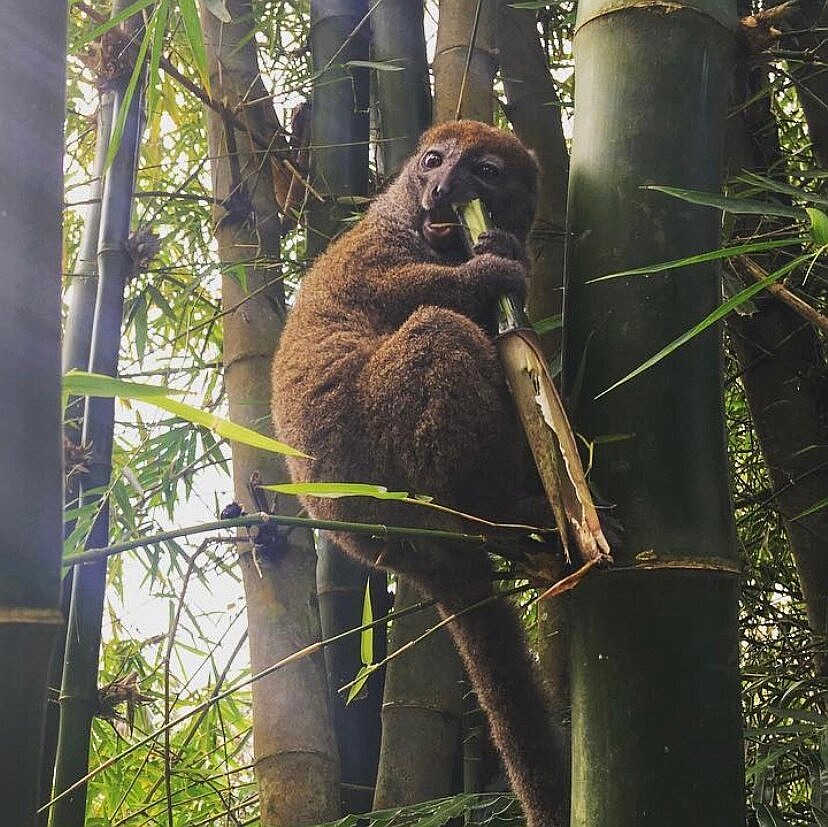
In a fascinating glimpse into the world of wildlife, the bamboo lemur (Hapalemur occidentalis) has recently garnered attention for its unique dietary habits and ecological significance. Found primarily in Madagascar, this small primate has adapted to thrive in its native habitat, where bamboo is abundant. Unlike many other lemur species, the bamboo lemur has developed a specialized diet that primarily consists of bamboo shoots and leaves. This dietary choice is not just a quirky preference; it involves a remarkable adaptation to detoxify the cyanide present in certain bamboo species, allowing the lemur to consume these otherwise toxic plants safely.
The bamboo lemur is not only notable for its eating habits but also for its role in the ecosystem. As a primary consumer, it plays a crucial role in the health of its environment. By feeding on bamboo, the lemur helps to regulate the growth of these plants, ensuring a balance within the forest ecosystem. Furthermore, the bamboo lemur’s feeding patterns contribute to seed dispersal, which is vital for the propagation of various plant species. This interaction highlights the interconnectedness of species within Madagascar’s unique biodiversity, where many plants and animals have evolved in isolation, leading to a rich tapestry of life.
Conservation efforts are increasingly important for the bamboo lemur, as its habitat faces threats from deforestation and human encroachment. With Madagascar being one of the most biodiverse regions on the planet, the protection of its native species, including the bamboo lemur, is critical. Organizations and researchers are working tirelessly to raise awareness about the plight of this species and implement strategies to preserve its natural habitat. By understanding the bamboo lemur’s ecological role and the challenges it faces, we can better appreciate the importance of conserving not only this unique primate but also the rich biodiversity of Madagascar as a whole.
A bamboo lemur (Hapalemur occidentalis) eating bamboo.