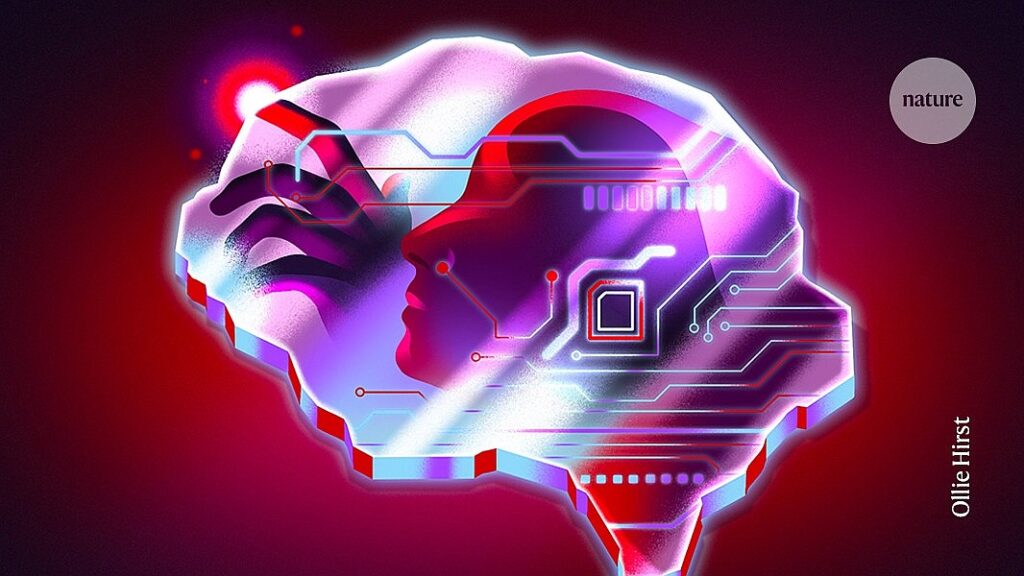
Mind-reading devices can now predict preconscious thoughts: is it time to worry?
In a thought-provoking article published by *Nature*, ethicists have raised significant concerns regarding the intersection of artificial intelligence (AI) and neurotechnology, particularly regarding privacy and autonomy. As advancements in neurotechnology continue to evolve, integrating AI capabilities, there is an increasing risk that these technologies could infringe upon individuals’ personal privacy and decision-making freedoms. Neurotechnology, which includes devices that can interface with the brain to monitor or enhance cognitive functions, is being rapidly developed for various applications, from medical treatments to enhancing human capabilities. However, the ethical implications of these technologies are becoming a focal point of discussion among scholars and practitioners in the field.
One of the key issues highlighted is the potential for AI to analyze vast amounts of neural data collected from users, which could lead to unauthorized surveillance or manipulation. For instance, if neurotechnologies can read and interpret brain signals, there is a risk that this information could be misused by corporations or governments, undermining individuals’ rights to privacy. Furthermore, the autonomy of users may be compromised as AI systems could influence or even dictate choices based on predictive algorithms, leading to a future where individuals may not fully control their own thoughts and decisions. The article stresses the importance of establishing ethical guidelines and regulatory frameworks to protect users, ensuring that advancements in neurotechnology do not come at the expense of fundamental human rights.
Ethicists argue that proactive measures must be taken to address these challenges before neurotechnology becomes ubiquitous. This includes fostering public discourse about the implications of AI in neurotechnology, encouraging transparency in how data is collected and used, and involving diverse stakeholders in the development of ethical standards. By prioritizing ethical considerations, society can harness the benefits of neurotechnology while safeguarding the privacy and autonomy of individuals. As we stand on the brink of a new era in human enhancement and cognitive technology, the conversation surrounding the ethical use of these innovations will be critical in shaping a future that respects individual rights and freedoms.
Nature, Published online: 19 November 2025;
doi:10.1038/d41586-025-03714-0
Ethicists say AI-powered advances will threaten the privacy and autonomy of people who use neurotechnology.


