Why US demand for Japanese matcha is straining the $3.5 billion industry
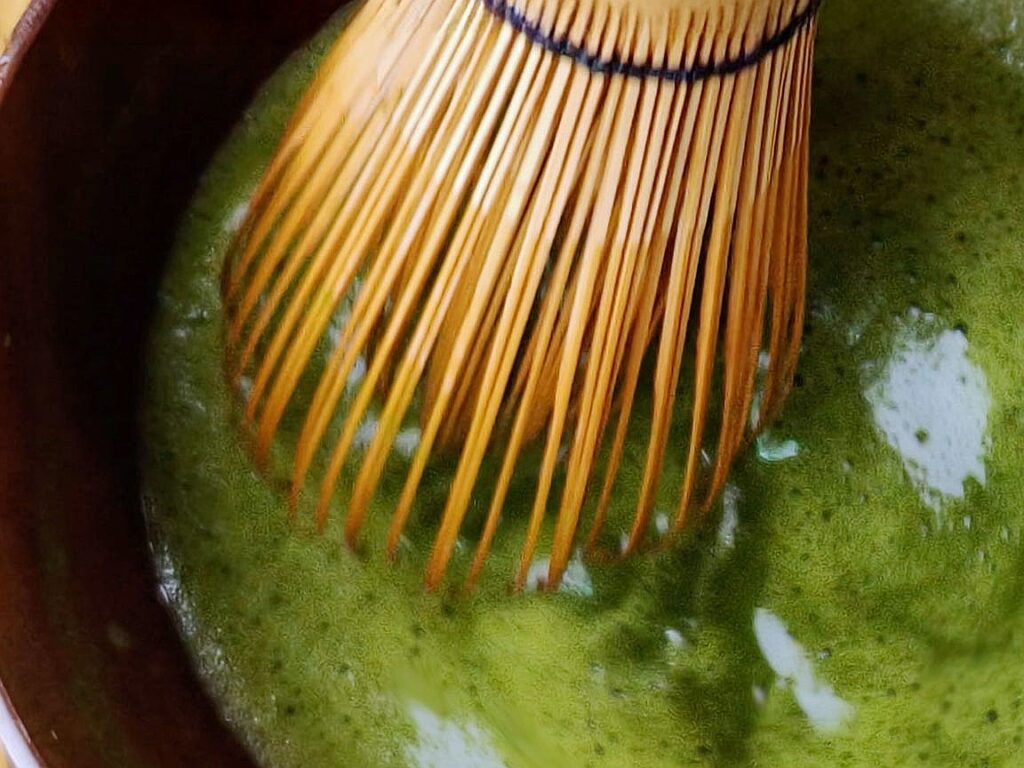
Matcha, the finely ground powder of specially grown green tea leaves, has surged in popularity across the globe, particularly in the United States, where annual imports from Japan have surpassed 2,000 tons. This vibrant green tea, known for its rich flavor and health benefits, has captivated Western consumers, who are increasingly seeking out ceremonial-grade matcha. This highest-quality and most expensive category of matcha is traditionally used in Japanese tea ceremonies and is prized for its delicate flavor and vibrant color. However, as demand escalates, Japanese farmers are finding it increasingly challenging to meet the needs of this burgeoning market.
Several factors are contributing to the strain on matcha production. Extreme weather events, such as unseasonably hot temperatures and unpredictable rainfall, have adversely affected tea harvests in Japan, leading to reduced yields. Additionally, the aging demographic of tea farmers poses a significant challenge; many of the artisans who have honed their craft over decades are retiring, and there are not enough younger farmers stepping in to take their place. The labor-intensive nature of matcha production, which involves meticulous hand-picking and processing of tea leaves, further complicates the situation. As a result, global shortages have led to soaring prices, pushing the cost of high-quality matcha to unprecedented levels.
The growing interest in matcha has also been amplified by the rise of trendy cafes, such as Aoko Matcha in New York City, and social media platforms where hashtags like #matchatok have gained traction. These cafes not only serve matcha in various forms—from lattes to desserts—but also create an experience that attracts both matcha enthusiasts and curious newcomers. As consumers become more health-conscious and seek out premium, artisanal products, the demand for matcha is likely to continue its upward trajectory. However, unless the issues facing Japanese farmers are addressed, the future of this beloved beverage may be at risk, with potential implications for both pricing and availability in the global market.
Matcha has become one of the most sought-after teas in the world, with the US now importing over 2,000 tons from Japan a year.
As more Western consumers demand ceremonial-grade matcha — the highest-quality and most expensive kind — Japanese farmers are struggling to keep up. Extreme weather, aging tea farmers, and labor-intensive production methods have all contributed to global shortages and record-high prices.
Meanwhile, the rise of cafes like Aoko Matcha in New York City and social media trends like #matchatok have fueled even more demand.
Read the original article on
Business Insider


