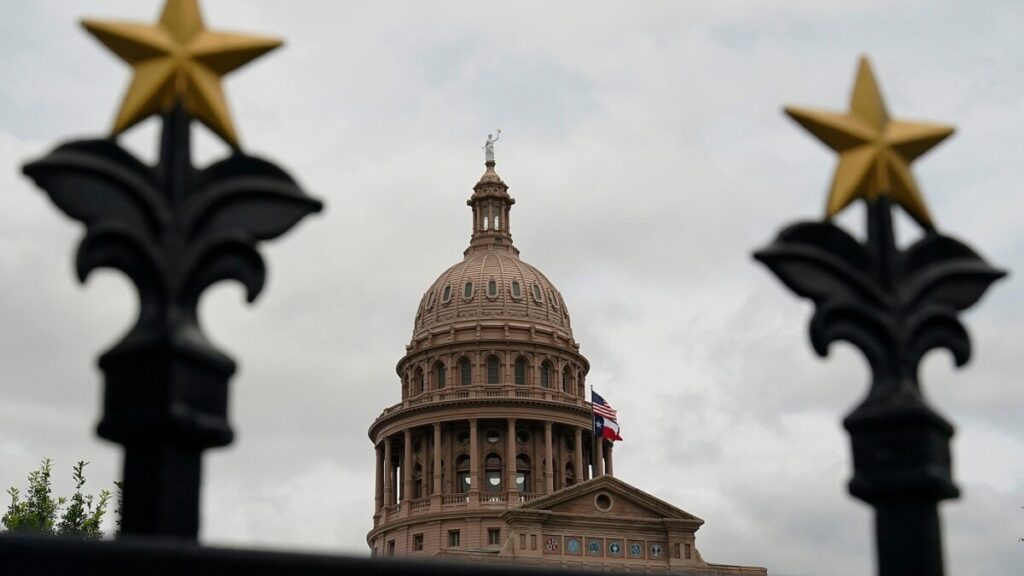
Supreme Court blocks order that found Texas congressional map is likely racially biased
In a significant legal development, the U.S. Supreme Court has issued a temporary stay on a lower court ruling regarding Texas’ congressional redistricting plan for the year 2026. This decision comes in the wake of a federal court’s finding that the redistricting map, which was heavily influenced by former President Donald Trump, likely violates the Voting Rights Act by discriminating against voters based on race. The ruling from the lower court suggested that the map could dilute the voting power of minority communities, particularly affecting Hispanic and Black voters in Texas, a state that has seen substantial demographic shifts in recent years.
The Supreme Court’s intervention means that Texas will continue to use its current congressional districts, at least until the case can be fully deliberated. This is a crucial moment in the ongoing debate over redistricting, a process that can significantly influence electoral outcomes and representation. The lower court’s decision had raised alarms among civil rights advocates, who argued that the proposed map would hinder the ability of minority groups to elect candidates of their choice. The Supreme Court’s stay, however, reflects the complexities of redistricting cases, which often involve intricate legal arguments about race, representation, and political power.
This case is particularly noteworthy given Texas’ rapidly growing population, which has led to the addition of two congressional seats following the 2020 Census. As states across the nation grapple with redistricting in light of demographic changes, the implications of this Supreme Court decision could resonate far beyond Texas. It highlights the ongoing tensions between state legislatures and federal oversight regarding voting rights, especially in a politically charged environment where the balance of power in Congress hangs in the balance. As the Supreme Court prepares to hear the case in the coming months, all eyes will be on how this pivotal issue unfolds and what it means for the future of electoral representation in the United States.
https://www.youtube.com/watch?v=SXJUrHlQkU4
The U.S. Supreme Court has temporarily blocked a lower court ruling that found Texas’ 2026 congressional redistricting plan pushed by President Trump likely discriminates on the basis of race.
(Image credit: Eric Gay)


