‘A Big Positive’: How One Company Plans to Profit From Medicaid Cuts
In a significant policy shift, new work requirements for Medicaid recipients are poised to impact millions of low-income Americans, potentially leaving many without health insurance. These changes, driven by various state governments aiming to incentivize employment among beneficiaries, could result in a substantial number of individuals losing their coverage if they fail to meet the new criteria. The implications of this policy are profound, as Medicaid serves as a critical safety net for the poorest segments of the population, providing essential health services to those who might otherwise go without. As states implement these requirements, concerns are mounting about the accessibility of health care for vulnerable populations, particularly in regions where job opportunities are limited.
Amidst this shifting landscape, companies like Equifax are seizing the moment as a lucrative business opportunity. Known primarily for its credit reporting services, Equifax possesses a vast repository of employment data that states are increasingly turning to in order to enforce these new regulations. By charging states steep fees for access to this data, Equifax stands to profit significantly from the intersection of health policy and employment tracking. This raises important questions about the ethics of profiting from public health initiatives and the potential consequences for those who may lose coverage. Critics argue that the reliance on private companies for essential public services could lead to further disparities in health access, as the focus shifts from providing care to generating revenue.
The situation highlights the broader challenges facing low-income Americans in navigating the complexities of health insurance and employment. As states implement stricter requirements, it is crucial to consider the potential ramifications on health outcomes and the overall well-being of these individuals. The intersection of health policy and corporate interests underscores the need for a more equitable approach to health care, ensuring that the most vulnerable populations are not left behind in the pursuit of efficiency and profit. As the debate continues, the impact of these policies will be closely monitored, with advocates calling for safeguards to protect those at risk of losing their insurance coverage.
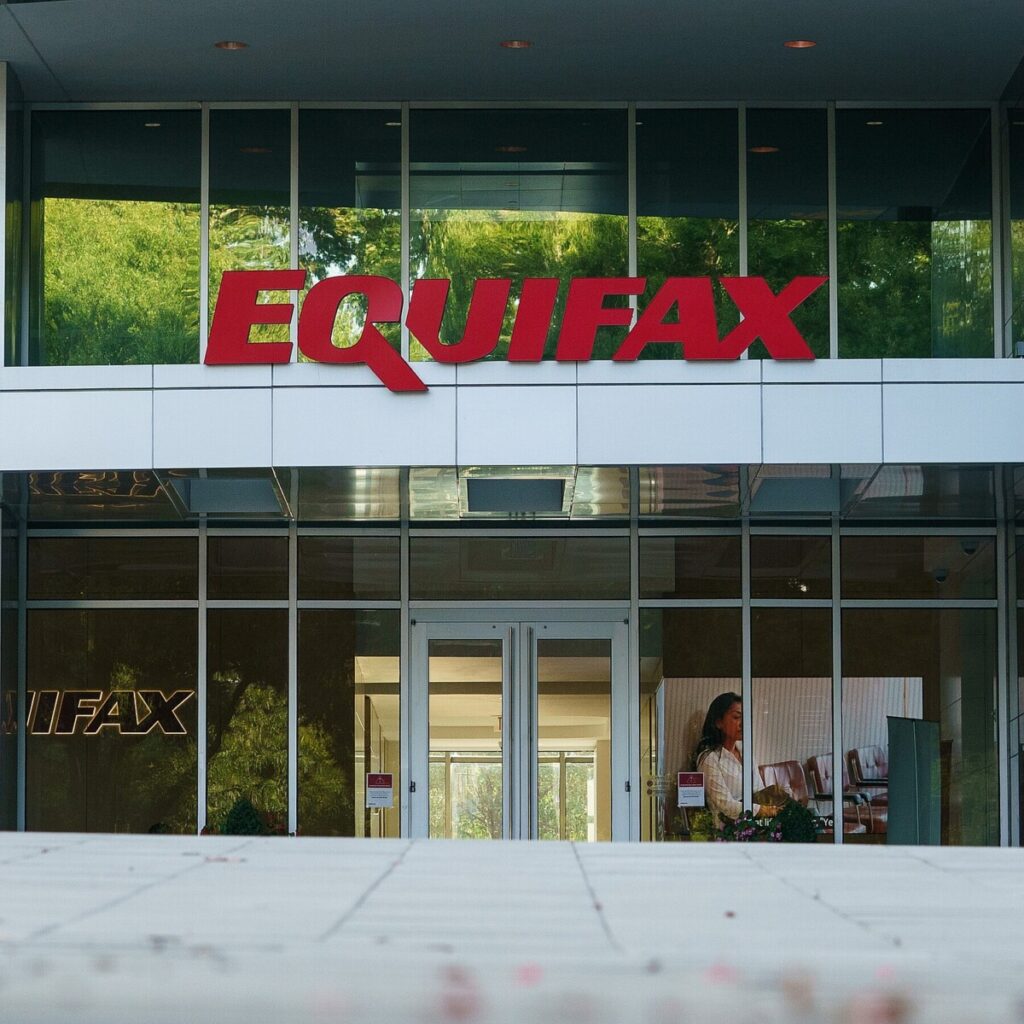
New work requirements are expected to leave millions of poor Americans uninsured. For Equifax, which charges states steep prices for its trove of employment data, it is a business opportunity.