Meta’s Victory Opens the Way for Silicon Valley to Go Deal Shopping
In a significant ruling for Meta Platforms, Inc., a federal judge has determined that the company did not breach antitrust laws when it acquired Instagram and WhatsApp, both of which were relatively small startups at the time of their purchase. This decision, delivered on Tuesday, marks a pivotal moment in the ongoing scrutiny of Big Tech companies and their mergers and acquisitions. The case was brought forth by the Federal Trade Commission (FTC), which argued that Meta’s acquisitions stifled competition in the social media landscape. However, the judge concluded that the acquisitions did not substantially harm competition, given that Instagram and WhatsApp were not major players in the market at the time of their purchase.
The ruling is particularly relevant in the context of the broader debate surrounding antitrust regulation in the tech industry. Critics of Meta, including various lawmakers and consumer advocacy groups, have long argued that the company has used its size and resources to squash potential competitors, leading to a monopolistic environment. For instance, the FTC had aimed to challenge the legality of the Instagram and WhatsApp acquisitions as part of its broader strategy to rein in what it perceives as anti-competitive behavior by major tech firms. However, the judge’s decision underscores the complexities of antitrust law, particularly when evaluating the impact of acquisitions that occurred years ago. Meta’s CEO, Mark Zuckerberg, has consistently defended these acquisitions as strategic moves that have fostered innovation and enhanced user experience across its platforms.
The implications of this ruling extend beyond Meta, as it sets a precedent for how future acquisitions by large tech companies may be evaluated in terms of antitrust concerns. As the digital landscape continues to evolve, regulators are grappling with how to effectively manage the balance between fostering innovation and preventing monopolistic practices. This case highlights the challenges faced by regulatory bodies in proving that past mergers have led to significant anti-competitive outcomes, particularly when the acquired companies have since grown to become integral parts of the digital ecosystem. As Meta continues to expand its influence in the tech space, this ruling may embolden the company in its future endeavors while also prompting further discussions about the need for updated antitrust frameworks that can better address the unique dynamics of the technology sector.
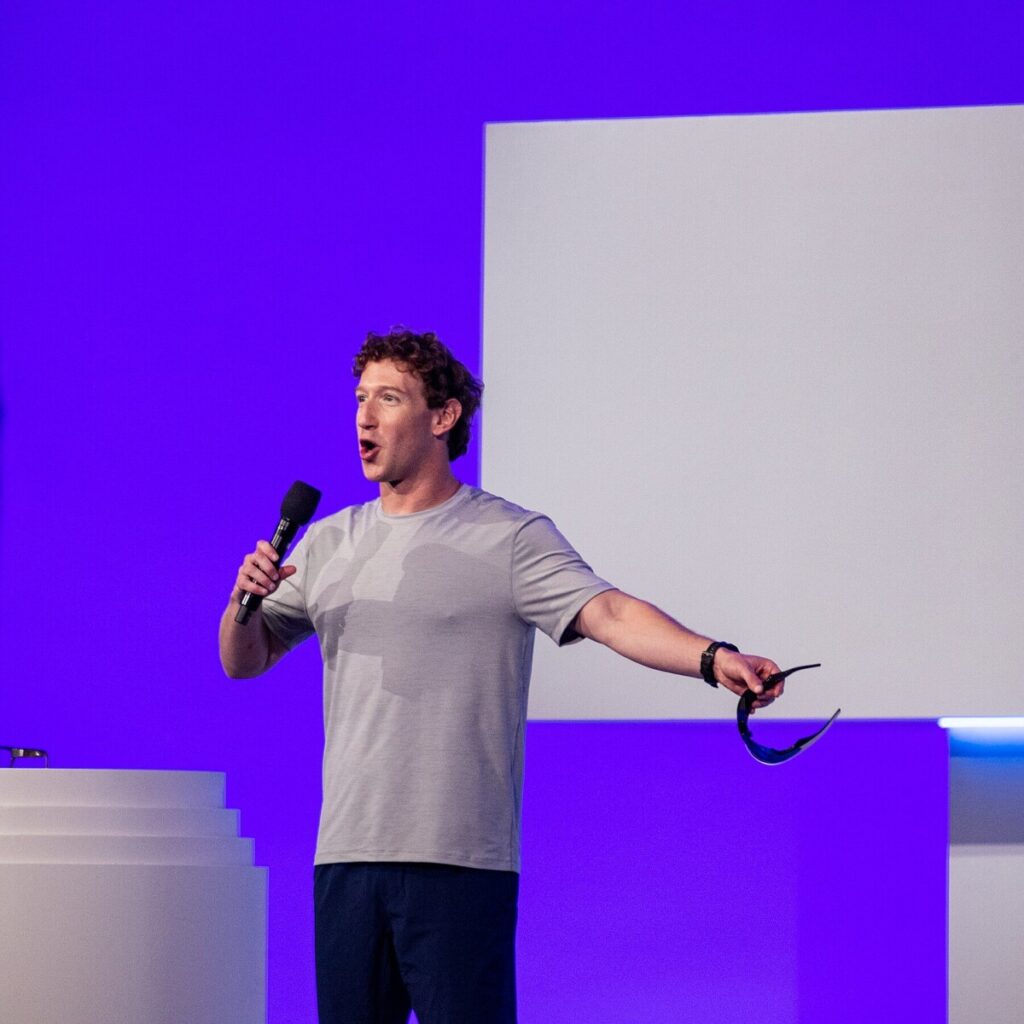
Mark Zuckerberg, Meta’s chief executive, in September. On Tuesday, a federal judge found Meta had not violated antitrust law by buying Instagram and WhatsApp when they were tiny start-ups.