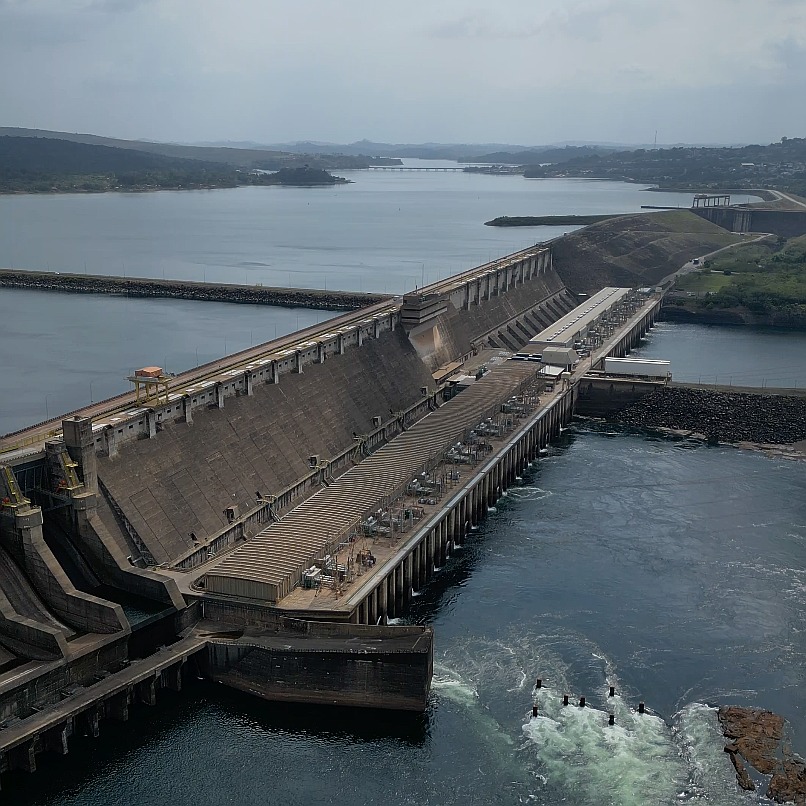
Hydropower Is Getting Less Reliable as the World Needs More Energy
As global energy demands surge, the reliance on clean energy sources has become more critical than ever. Among these, hydroelectric power has historically been a cornerstone of renewable energy, providing a significant portion of the world’s electricity. However, the increasing frequency of extreme weather events—such as droughts and floods—exacerbated by climate change, is posing significant challenges to hydro plants. These facilities, which depend on consistent water flow to generate power, are finding themselves at the mercy of changing climate patterns that disrupt their operations.
For instance, in regions like the American West and parts of Europe, prolonged droughts have severely diminished water levels in reservoirs, leading to reduced electricity generation. Conversely, areas experiencing intense flooding may face operational shutdowns or damage to infrastructure, further complicating the already precarious balance of energy supply. According to the International Hydropower Association, while hydropower accounts for about 16% of global electricity generation, the impact of climate variability is leading to a decline in output in many critical regions. This dilemma underscores the urgent need for energy diversification and the exploration of alternative renewable sources, such as wind and solar, which can complement hydroelectric power and provide more stable energy solutions.
The situation calls for innovative approaches to energy management and investment in adaptive technologies that can mitigate the effects of climate change on hydroelectric facilities. Some experts advocate for the development of hybrid systems that integrate multiple renewable sources, thereby enhancing resilience against extreme weather fluctuations. Additionally, improving water management practices and investing in infrastructure upgrades could help hydro plants better cope with the challenges posed by climate change. As demand for power continues to rise, addressing these vulnerabilities in the hydroelectric sector is crucial for ensuring a sustainable and reliable energy future.
Demand for power is growing fast, but hydro plants, the oldest source of clean energy, are struggling because of droughts, floods and other extreme weather linked to climate change.


