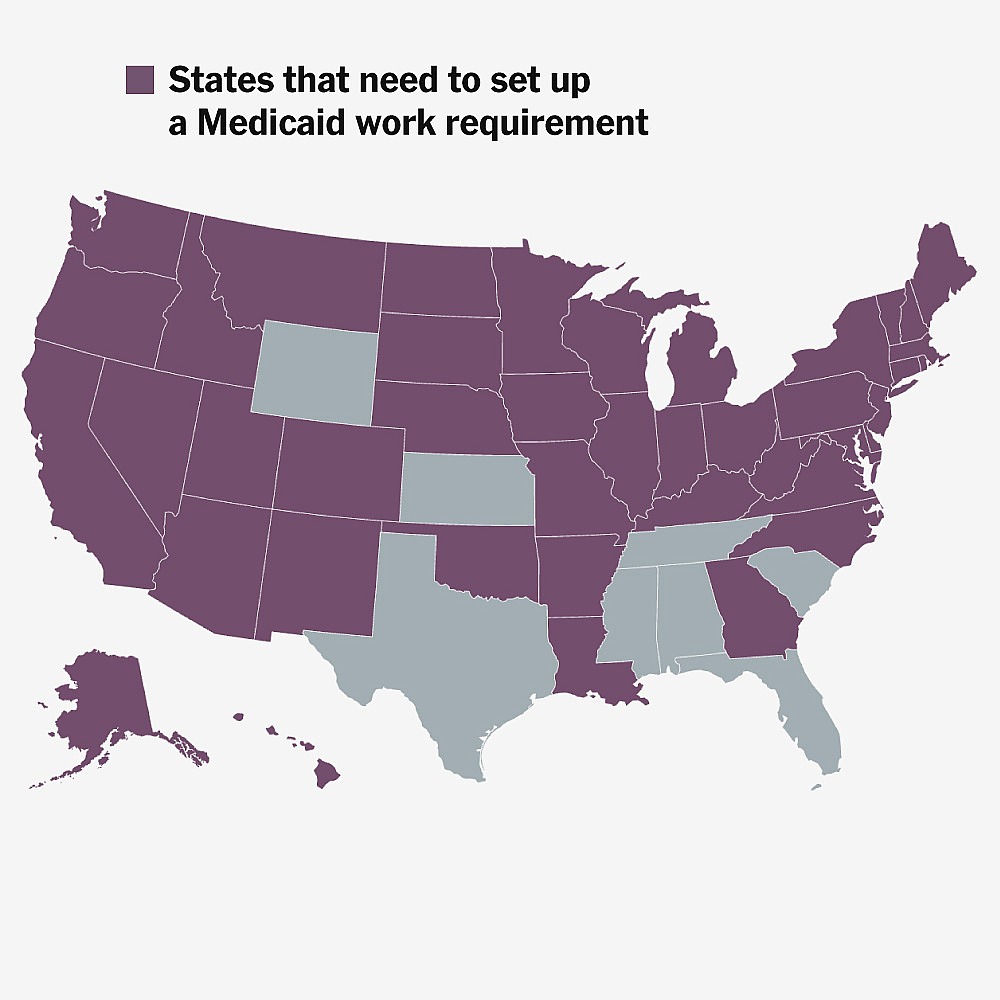
How Medicaid’s New Work Requirement Will Work
As the U.S. government prepares for the end of the COVID-19 public health emergency, millions of Americans, particularly those from low-income backgrounds, are bracing for significant challenges in accessing healthcare. With the expiration of enhanced Medicaid provisions that allowed for continuous enrollment during the pandemic, states are now tasked with reevaluating the eligibility of millions of beneficiaries. This transition could lead to a wave of disenrollment, as many individuals may not be aware of the changes or may face hurdles in the re-enrollment process. For instance, the Kaiser Family Foundation estimates that up to 15 million people could lose their Medicaid coverage, with low-income families and individuals living in rural areas being disproportionately affected.
In response to this impending crisis, states are being urged to develop new bureaucratic systems to manage the influx of re-enrollment applications and to ensure that those who are eligible for Medicaid do not fall through the cracks. This involves not only streamlining processes but also enhancing outreach efforts to educate beneficiaries about their rights and options. For example, states like California and New York are implementing proactive measures, such as sending out notifications to current Medicaid recipients and partnering with community organizations to assist in the enrollment process. However, this initiative requires significant resources and planning, which could strain state budgets already stretched thin by the pandemic’s economic fallout.
The implications of these changes are profound, as they not only affect access to healthcare but also have broader social and economic consequences. Many low-income Americans rely on Medicaid for essential health services, including preventive care, mental health services, and chronic disease management. The potential loss of coverage could exacerbate existing health disparities and lead to increased reliance on emergency services, ultimately driving up costs for both individuals and healthcare systems. As states navigate this complex landscape, it is crucial for policymakers to prioritize the needs of vulnerable populations and ensure that the transition is as seamless as possible to safeguard the health and well-being of millions of Americans.
Poor Americans will face new challenges to enroll, and states will have to build new bureaucracies.