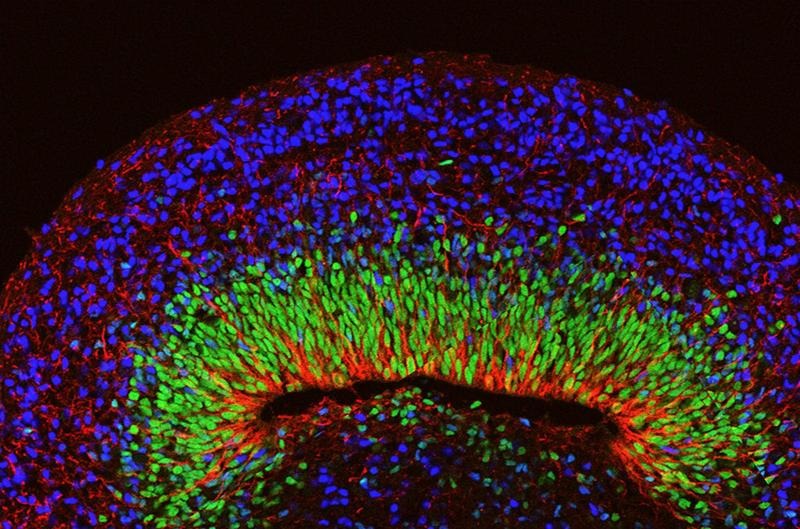
Lab-grown models of human brains are advancing rapidly. Can ethics keep pace?
Recent advancements in biotechnology have brought neural organoids—miniature, simplified models of the human brain—into the spotlight, raising critical ethical questions regarding their use in research. These organoids, created from stem cells, mimic certain functions of the human brain and have been instrumental in studying neurological diseases and drug responses. However, the inquiry into whether these organoids possess the capacity to feel pain or consciousness is a contentious debate among scientists and ethicists alike. As the technology evolves, so too does the need for a framework to navigate the moral implications of using neural organoids in experimental settings.
One of the most pressing issues is whether these organoids should be subjected to animal testing. Proponents argue that using neural organoids could reduce the need for traditional animal models, which often raise ethical concerns regarding animal welfare. For instance, researchers might be able to assess the effects of drugs on brain development and function without the ethical dilemmas associated with live animal experimentation. However, critics caution against prematurely assuming that organoids lack the capacity for pain or suffering. Some studies suggest that as organoids mature, they develop more complex neural networks, potentially leading to a level of awareness that could challenge our current understanding of sentience. This uncertainty poses a significant ethical dilemma: should researchers treat these organoids as mere tools, or should they consider the moral implications of their potential consciousness?
The ongoing discourse around neural organoids is not just a scientific concern but also a societal one, as it reflects broader questions about our responsibilities towards living entities, irrespective of their complexity. As scientists continue to explore the capabilities of these organoids, the call for regulatory frameworks and ethical guidelines becomes increasingly urgent. Establishing clear criteria for the treatment of neural organoids in research could pave the way for responsible innovation, ensuring that scientific progress aligns with ethical standards. Ultimately, as we delve deeper into the capabilities of these brain-like structures, the intersection of technology, ethics, and biology will require careful navigation to balance the pursuit of knowledge with respect for potential life forms.
Whether neural organoids feel pain or should be placed in animals are among the questions swirling around biology’s hot new technology


