U.K. Gives Go-Ahead to Smaller Nuclear Reactor in Wales
In recent discussions surrounding energy production and sustainability, the Wylfa 1 nuclear power plant in Wales has resurfaced as a focal point for potential energy solutions. Originally commissioned in the 1960s, Wylfa 1 played a significant role in the UK’s energy landscape until its closure in 2012, marking the end of an era for the aging facility. The plant was pivotal in generating electricity for the region and contributed to the UK’s broader nuclear energy strategy, which has faced challenges in recent years due to aging infrastructure and the need for modernization. As the country grapples with energy demands and climate change goals, the future of Wylfa 1 has sparked renewed interest in nuclear power as a reliable and low-carbon energy source.
The current discourse around Wylfa 1 is part of a larger narrative regarding the UK’s energy transition. With the government aiming for net-zero carbon emissions by 2050, the role of nuclear energy is being reassessed. The UK has committed to phasing out coal-fired power plants, and nuclear energy is seen as a critical component in bridging the gap between fossil fuels and renewable sources like wind and solar. Recent proposals have emerged to potentially revive Wylfa 1 or to develop new nuclear facilities on the site, reflecting a growing consensus among policymakers and industry experts that nuclear power can provide a stable and significant contribution to the national grid. For example, the UK government has been actively promoting small modular reactors (SMRs) as a flexible and cost-effective solution to meet future energy needs, with Wylfa being a prime candidate for such developments.
In addition to its potential for energy generation, the revival of Wylfa 1 could also have substantial economic implications for the region. The plant’s closure has left a void in local employment and economic activity, and a new nuclear project could create thousands of jobs during construction and operation, revitalizing the local economy. Moreover, the investment in nuclear technology could position Wales as a leader in the clean energy sector, attracting further investments and technological advancements. As discussions continue, the future of Wylfa 1 remains uncertain, but its legacy as a cornerstone of Wales’ energy history and a potential linchpin in its energy future is undeniable. The ongoing dialogue about its revival highlights the complexities and opportunities within the UK’s energy strategy as it seeks to navigate the dual challenges of energy security and climate change.
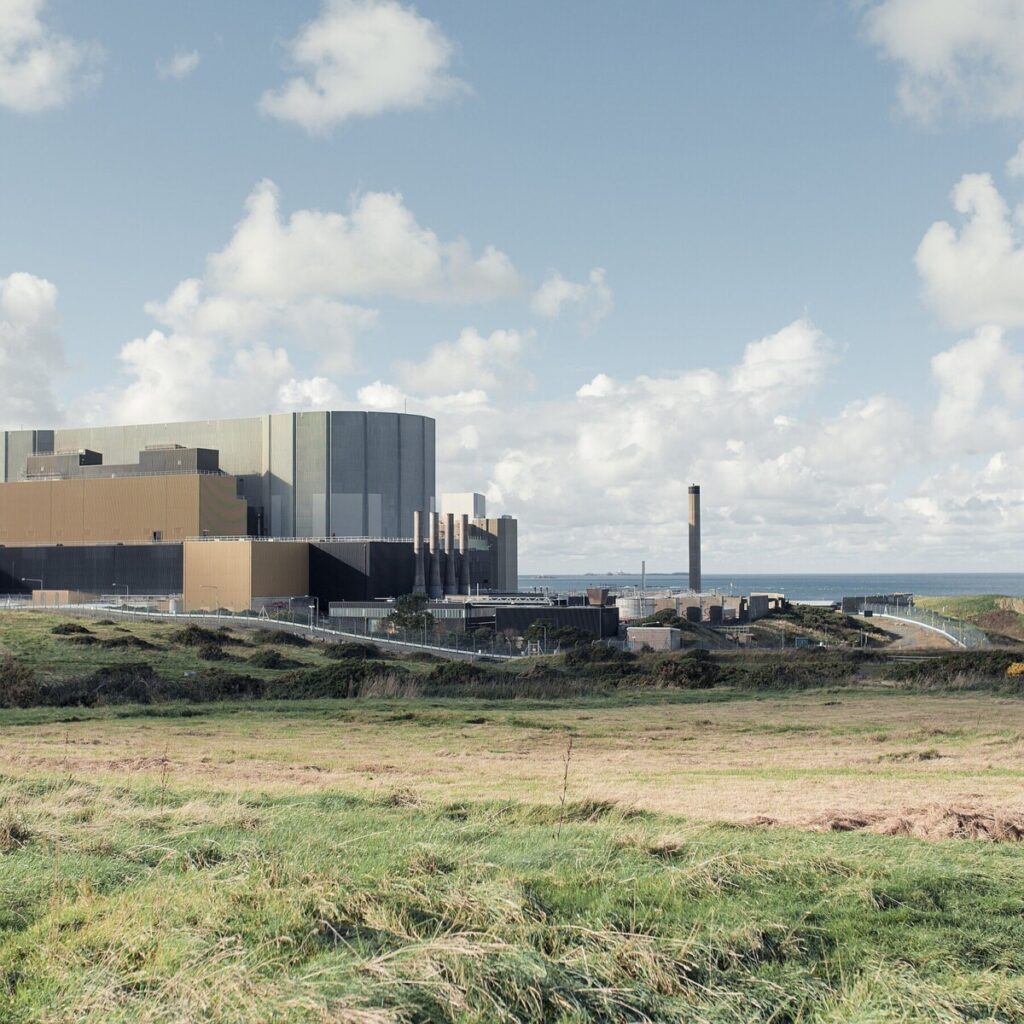
The Wylfa 1 nuclear power plant, in Wales in 2018. The 1960s-era facility shut down a decade ago.


