Horton: Hemp ban hurts consumers and farmers
In a controversial move tied to a broader federal funding package aimed at reopening the government, a provision has emerged that seeks to criminalize hemp, a thriving industry valued at nearly $30 billion that has been legal since the 2018 Farm Bill. This proposed wholesale ban on hemp-derived products is being criticized as misguided, as it threatens to harm farmers, small businesses, and consumers alike. The hemp industry has flourished in recent years, particularly with the rise of hemp-derived beverages infused with legal levels of cannabinoids like CBD and THC. These products have gained popularity among consumers, especially as more individuals, particularly from Generation Z, are opting for sober-curious lifestyles. A recent survey indicated that in 2024, 53% of Gen Zers planned to drink less alcohol compared to the previous year, with nearly 19% abstaining from alcohol altogether. The U.S. hemp beverage market, currently valued at $71.7 million, is projected to exceed $1 billion by 2028, showcasing the significant consumer interest in these products.
The implications of a hemp ban extend beyond just consumer choices; it threatens to destabilize a robust economic sector that supports over 320,000 jobs and contributes $28.4 billion to the market annually, generating $1.5 billion in state tax revenue. The adverse effects of such a ban would ripple through local economies, shuttering businesses and disrupting livelihoods. While safety concerns regarding hemp products, particularly those involving chemically altered THC, are valid, conflating all hemp-derived products with potentially dangerous synthetic variants is misleading. A coalition of 39 state attorneys general has called for clearer definitions surrounding hemp THC products, but rather than a blanket ban, a more nuanced approach is necessary. Lawmakers are encouraged to engage all stakeholders—including farmers, retailers, and public health experts—to establish a comprehensive federal framework that addresses safety concerns without punishing legitimate businesses or outlawing an entire industry. By setting clear rules on age requirements, testing, labeling, and enforcement, Congress can protect consumers while fostering a responsible hemp market that continues to thrive.
As the debate unfolds, it is essential to recognize the importance of maintaining a regulated hemp industry that not only meets consumer demands but also supports economic stability. The potential for harm from unregulated channels far outweighs the risks posed by the current legal hemp market. By prioritizing collaboration and informed policymaking, lawmakers can strike a balance that safeguards public health while allowing the hemp industry to flourish.
Included in the broader funding package to reopen the federal government is a misguided provision criminalizing hemp, a nearly $30 billion industry that has been legal since 2018. A wholesale ban on hemp-derived products is the wrong move. It would harm farmers and small businesses, and push consumers toward unregulated channels and away from the safety and transparency that regulated commerce provides.
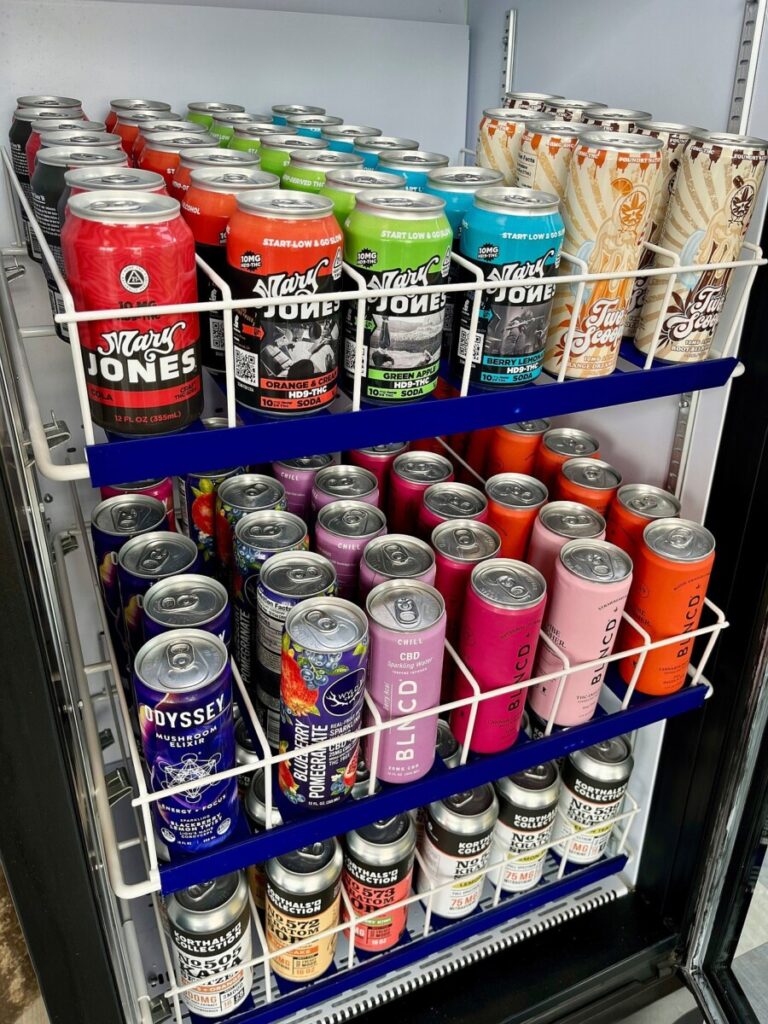
Fueled by changing consumer health preferences and evolving federal regulations, the popularity of hemp-derived beverages has exploded in recent years. Infused with low and legal levels of cannabinoids like CBD and THC that derive from the hemp plant, seltzers, sodas and mocktails have provided sober-curious Americans choices from alcohol.
In 2024, the percentage of Gen Zers (those born between 1997 and 2002) who planned to drink less alcohol increased 53% from the year before, according to one survey. Nearly one in five (19%) members of Gen Z don’t consume alcohol at all.
Interest in THC and CBD-infused drinks is a significant part of this movement. Estimated at $71.7 million in 2023, the U.S. hemp beverage market is expected to eclipse $1 billion by 2028.
In 2018, the bipartisan Farm Bill removed hemp and certain hemp-derived products from the federal Controlled Substances Act.
Market forces are speaking loudly. On DoorDash, we started offering hemp-derived products to customers over 21 this year. Almost immediately, several thousand merchants began selling hemp-derived items on our platform, reaching new customers, generating revenue and keeping local employees on the payroll.
From the farmers who grow hemp to the manufacturers and retailers who sell it, legal hemp products have become a crucial pillar of the modern economy. The industry supports more than 320,000 jobs, contributes $28.4 billion to the market, and generates $1.5 billion in state tax revenue annually. A blanket ban will shutter businesses, disrupt livelihoods and destabilize local economies.
To be sure, concerns about hemp safety are not without merit, especially those involving chemically altered THC products, which are not sold through DoorDash. Recently, a group of 39 state attorneys general mistakenly conflated all hemp THC products with potentially dangerous synthetic ones when they urged Congress to clarify the definition of hemp. In addition to banning these synthetic products, Congress should provide clear guidelines to those seeking to play by the rules.
To more broadly address safety concerns, lawmakers would be wise to convene all stakeholders in the debate — farmers, retailers, public health experts and regulatory experts — to create a federal framework. Setting clear rules on age requirements, testing, labeling and enforcement mechanisms could build consensus. The goal should be protecting consumers from harm without eliminating legitimate businesses, punishing farmers and outlawing an entire industry.
John Horton is the head of North America Public Policy at DoorDash/InsideSources


