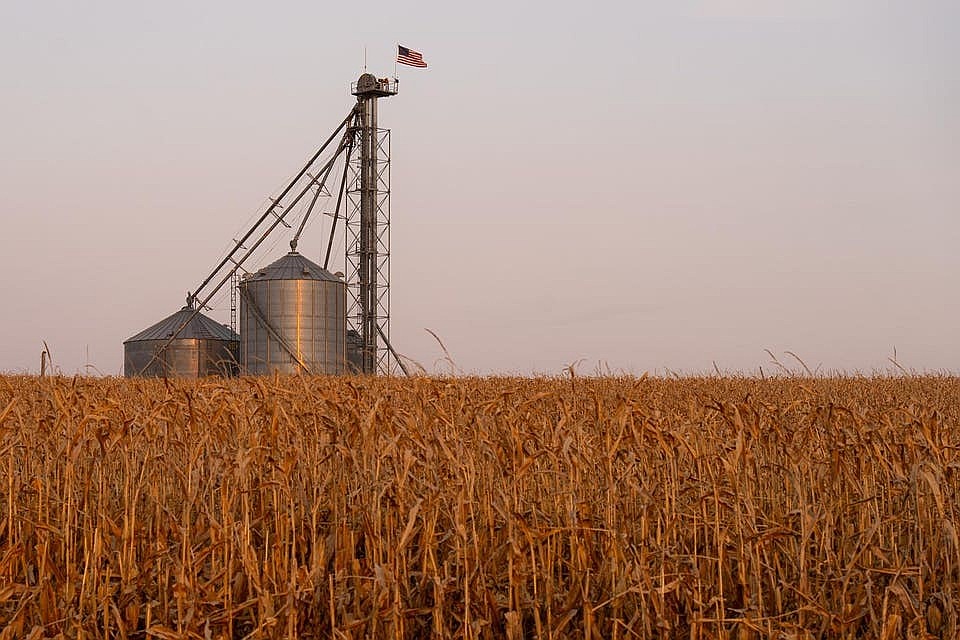
The U.S. Bioeconomy: From Farm To Factory — A Generational Opportunity
The emergence of a bioeconomy marks a transformative shift in how industries operate, leveraging biological resources and biotechnological advancements to create sustainable products and processes. This burgeoning sector is not just a trend but a fundamental reimagining of the U.S. economy, promising to enhance global competitiveness while addressing pressing environmental challenges. As industries increasingly adopt bio-based approaches, they are finding innovative ways to utilize renewable biological materials, such as plants, algae, and microorganisms, to produce everything from biofuels and bioplastics to pharmaceuticals and food products. This shift is fueled by advancements in biotechnology, synthetic biology, and genetic engineering, which enable more efficient and sustainable production methods.
Key players in this bioeconomy include both established corporations and startups that are pioneering new technologies and business models. For instance, companies are now harnessing CRISPR gene-editing technology to improve crop yields and resilience, thereby ensuring food security in the face of climate change. Additionally, the production of bioplastics is gaining traction as companies seek alternatives to petroleum-based plastics, reducing dependency on fossil fuels and minimizing environmental impact. This transition not only fosters innovation but also creates jobs in emerging sectors, driving economic growth and positioning the U.S. as a leader in the global bioeconomy. With government support and investment in research and development, the potential for a sustainable and competitive bioeconomy is within reach, promising a future where economic activity aligns with ecological responsibility.
As we look to the future, the bioeconomy stands as a beacon of possibility, presenting a pathway toward sustainable development. By integrating biological sciences with industrial processes, the U.S. can redefine its manufacturing landscape, create resilient supply chains, and reduce its carbon footprint. This comprehensive approach not only addresses the immediate needs of industries but also aligns with global sustainability goals, making the bioeconomy a crucial component of the broader effort to combat climate change and promote environmental stewardship. As we navigate this exciting frontier, the collaboration between academia, industry, and government will be essential in unlocking the full potential of the bioeconomy, ensuring that it serves as a cornerstone for a sustainable and prosperous future.
Just over the horizon is an emerging bioeconomy — a rapidly expanding, technology-driven domain that will redefine U.S. industry and global competitiveness.


