Judge sides with Meta in antitrust trial, will not spin off WhatsApp and Instagram
In a significant ruling for the tech industry, a federal judge dismissed the Federal Trade Commission’s (FTC) antitrust lawsuit against Meta Platforms, Inc., the parent company of Facebook, Instagram, and WhatsApp. The lawsuit, filed in 2020, accused Meta of engaging in anti-competitive practices by acquiring rival companies, specifically targeting its purchases of Instagram in 2012 and WhatsApp in 2014. The FTC argued that these acquisitions were part of a broader strategy to stifle competition and maintain Meta’s dominant position in the social media landscape. However, in a decision that could reshape the regulatory landscape for tech mergers, U.S. District Judge James Boasberg ruled that the FTC had not provided sufficient evidence to support its claims, stating that the agency failed to demonstrate how these acquisitions harmed competition or consumers.
This ruling comes at a time when the tech industry is under increasing scrutiny from regulators, with concerns over monopolistic practices and the influence of major tech companies on the market. The FTC, led by Chair Lina Khan, has been actively pursuing antitrust actions against big tech firms, aiming to rein in their power and promote fair competition. However, this setback for the FTC highlights the challenges regulators face in proving that mergers and acquisitions significantly harm market competition. The judge’s decision indicates that simply acquiring rivals does not inherently violate antitrust laws if it does not lead to demonstrable harm in the marketplace.
The implications of this ruling extend beyond Meta, as it could set a precedent for future antitrust cases involving tech giants. The judge’s decision suggests that regulators will need to adopt a more rigorous approach when challenging mergers, focusing on concrete evidence of anti-competitive behavior rather than assumptions about market dominance. As the tech landscape continues to evolve, this ruling may embolden other companies to pursue acquisitions without the same level of fear of regulatory backlash, potentially reshaping the competitive dynamics within the industry. As the FTC reassesses its strategy in light of this ruling, the ongoing debate over the balance between innovation and competition in the tech sector is likely to intensify.
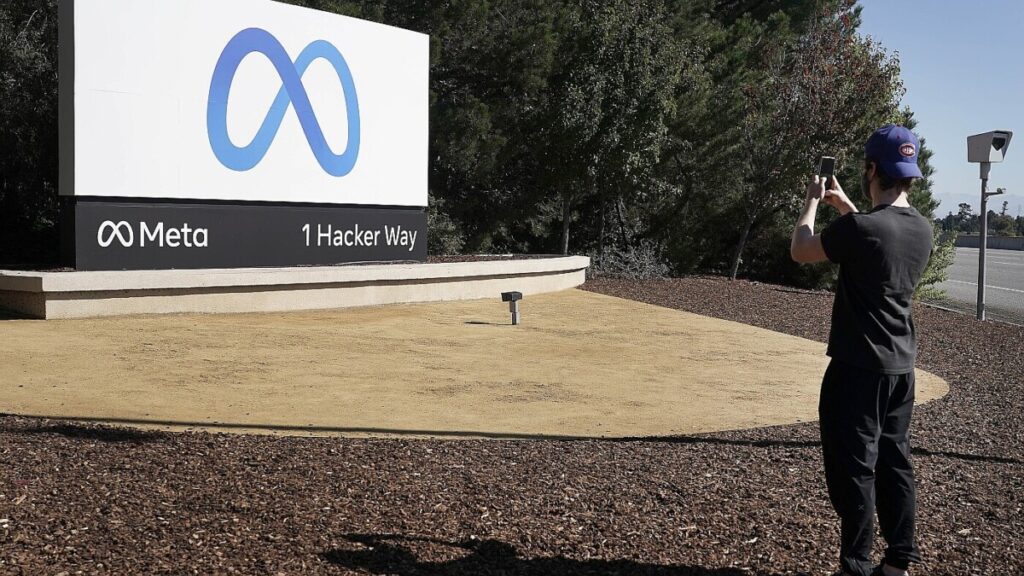
A federal judge ruled against the Federal Trade Commission’s antitrust suit alleging that Meta had stifled competition by buying up its rivals.
(Image credit: Tony Avelar)