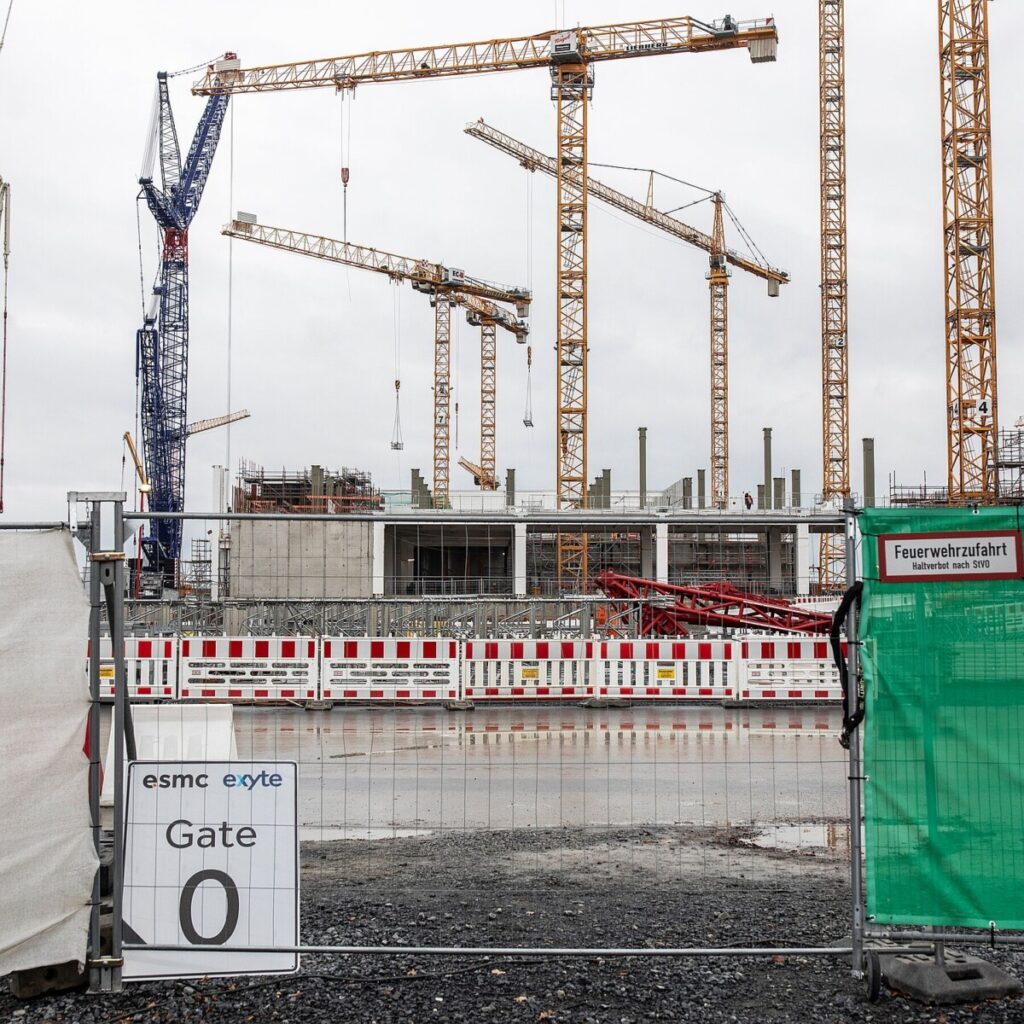
Europe’s Chip Dreams Confront Business Realities
In a significant move to bolster Europe’s semiconductor manufacturing capabilities, Taiwan Semiconductor Manufacturing Company (TSMC) has announced plans to collaborate with European chipmakers to construct a state-of-the-art factory near Dresden, Germany. This initiative comes at a time when the global demand for semiconductors has surged, driven by advancements in technology across various sectors, including automotive, consumer electronics, and artificial intelligence. The COVID-19 pandemic has further highlighted the vulnerabilities in global supply chains, prompting European nations to seek greater self-sufficiency in chip production. The establishment of this factory represents a strategic effort to reduce reliance on external suppliers, particularly in light of geopolitical tensions and trade disputes that have made semiconductor availability increasingly precarious.
The new facility is expected to be a cornerstone of Europe’s ambition to become a leading player in the semiconductor landscape, which has been historically dominated by manufacturers in Asia and the United States. TSMC’s partnership with European firms underscores the importance of collaboration in achieving this goal. By leveraging TSMC’s advanced manufacturing technologies and expertise, the factory aims to produce cutting-edge chips that meet the growing needs of various industries. The project aligns with the European Union’s broader strategy to invest heavily in its semiconductor sector, as outlined in the European Chips Act, which aims to increase the region’s share of global semiconductor production from around 10% to 20% by 2030.
This investment not only promises to create thousands of jobs in the region but also positions Europe to better compete in the global tech arena. For instance, the factory will focus on producing chips for automotive applications, a sector that is increasingly reliant on advanced semiconductor technologies for electric vehicles and autonomous driving systems. Furthermore, the collaboration is expected to foster innovation and research in semiconductor technology within Europe, potentially leading to breakthroughs that could enhance the region’s competitiveness. As TSMC and its partners embark on this ambitious project, the implications for the European economy and the broader tech industry could be profound, marking a pivotal shift towards a more self-sufficient and resilient semiconductor ecosystem.
TSMC is teaming up with European chipmakers to build a factory near Dresden, Germany, as Europe’s need to make its own chips has grown more pressing.


