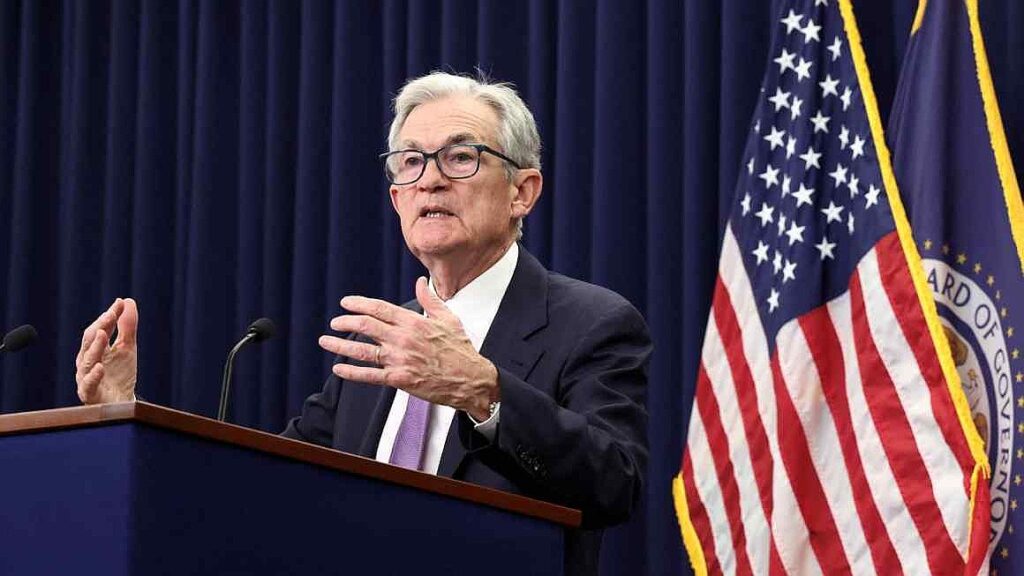
Fed officials ‘strongly’ divided on December rate cut
In the latest release of minutes from the U.S. Federal Reserve’s October meeting, a notable division among policymakers regarding the future direction of monetary policy has emerged. This schism reflects the ongoing debate over how to balance the need for economic stability with the persistent inflationary pressures that have characterized the post-pandemic recovery. While some officials advocate for maintaining higher interest rates to combat inflation, others are urging caution, suggesting that the economy may already be showing signs of slowing down. This divergence highlights the complexities faced by the Fed as it navigates a rapidly changing economic landscape.
The minutes reveal that several members of the Federal Open Market Committee (FOMC) expressed concerns about the potential risks associated with keeping rates elevated for too long. They pointed to indicators such as weakening consumer spending and a slowdown in business investment, which could signal a cooling economy. For example, recent reports have shown a decline in retail sales and a drop in manufacturing activity, raising alarms about the sustainability of growth. Conversely, other members emphasized the necessity of remaining vigilant against inflation, which, despite some signs of easing, remains above the Fed’s target of 2%. This ongoing tension between fostering economic growth and controlling inflation reflects the broader challenges faced by central banks worldwide as they respond to shifting economic conditions.
As the Fed prepares for its next policy meeting, these discussions will play a crucial role in shaping future interest rate decisions. The broader economic implications are significant, as changes in monetary policy can affect everything from mortgage rates to consumer borrowing costs. Market analysts are closely monitoring these developments, as any indication of a shift in policy could lead to volatility in financial markets. The upcoming months will be critical for the Fed as it seeks to strike a balance between supporting economic recovery and ensuring price stability, a task that has become increasingly complex in the current economic climate.
Minutes from US central bank’s October meeting point to schism on direction of monetary policy