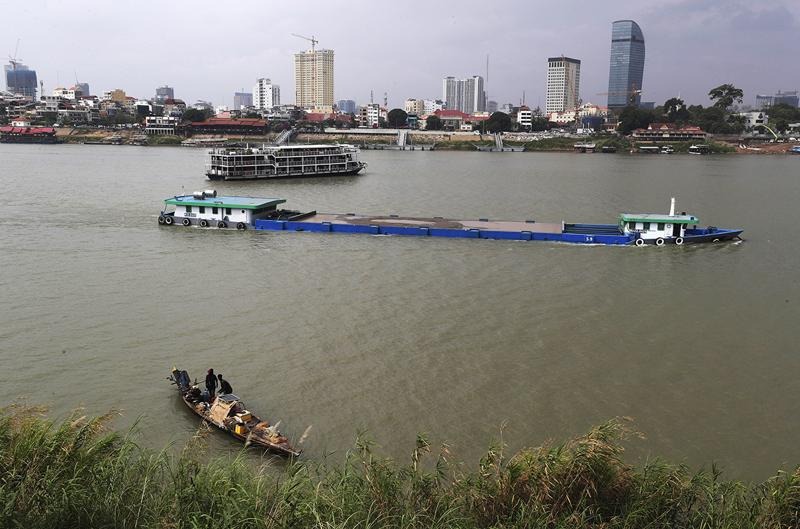
Sand mining threatens Asia’s largest lake
**Exploring the Vital Role of Cambodia’s Tonlé Sap Lake in Fisheries and Wildlife Conservation**
Cambodia’s Tonlé Sap Lake, the largest freshwater lake in Southeast Asia, is a vital ecological and economic resource for the region. Covering an area of approximately 2,700 square kilometers, the lake plays a crucial role in supporting both local fisheries and diverse wildlife. The lake is not only a significant source of protein for millions of Cambodians but also serves as a critical habitat for a wide array of species, including the endangered Irrawaddy dolphin and various migratory birds. The unique hydrological system of Tonlé Sap, which expands and contracts with the seasons, creates a rich environment that nurtures fish populations and sustains the livelihoods of local communities.
Tonlé Sap’s fisheries are particularly noteworthy, as they contribute to the livelihoods of around 1.2 million people. The lake is home to over 200 species of fish, including the iconic giant catfish, which can grow up to 3 meters long. The annual flood pulse of the lake, which occurs during the monsoon season, is essential for spawning and nurturing fish populations. This natural phenomenon not only boosts fish stocks but also enhances agricultural productivity in the surrounding floodplain, where rice farming is prevalent. Local fishermen rely on traditional fishing methods, and many communities have developed sustainable practices to ensure the health of the fishery, such as seasonal fishing bans and conservation areas.
However, Tonlé Sap faces significant environmental threats, including climate change, pollution, and overfishing. Deforestation in the surrounding areas and the construction of dams on the Mekong River have disrupted the natural flow of water, impacting the lake’s ecology and the communities that depend on it. Conservation efforts are underway to protect this critical ecosystem and promote sustainable fishing practices. Organizations and local governments are collaborating to establish protected areas and raise awareness about the importance of preserving Tonlé Sap’s biodiversity. The lake’s health is not just an environmental concern; it is intricately linked to the cultural and economic fabric of Cambodia, making its preservation a priority for both local communities and environmental advocates alike.
Cambodia’s Tonlé Sap supports important fisheries and wildlife


