AI Uncovers Evidence of Life in 3.3-Billion-Year-Old Rocks
Recent advancements in machine learning are revolutionizing the field of chemical analysis, significantly broadening our understanding of the chemical signatures associated with life on Earth. Researchers have developed a novel approach that utilizes machine learning algorithms to analyze complex chemical data, leading to the identification of previously overlooked organic compounds in geological samples. This innovative technique not only enhances our comprehension of Earth’s biogeochemical processes but also has profound implications for astrobiology—the study of life beyond our planet.
By employing machine learning, scientists can process vast amounts of data from various sources, including soil samples, sediment cores, and meteorites, with remarkable speed and accuracy. For instance, the algorithms can discern patterns and correlations in chemical compositions that would be nearly impossible to detect through traditional methods. This capability allows researchers to build a more comprehensive chemical record of life on Earth, uncovering the intricate relationships between living organisms and their environments throughout geological history. Furthermore, the implications of this technology extend beyond our planet; the same techniques could be applied to analyze data from other celestial bodies, such as Mars or the icy moons of Jupiter and Saturn, in the search for extraterrestrial life.
The potential to identify biosignatures on other planets is particularly exciting. As we explore Mars and beyond, the ability to detect subtle chemical markers indicative of life—such as specific organic molecules or isotopic signatures—could be enhanced through machine learning. For example, the data collected by rovers and landers could be analyzed in real-time, allowing scientists to make informed decisions about where to focus their exploratory efforts. This not only increases the efficiency of space missions but also raises the possibility of discovering life forms that may have existed in the past or even currently exist in extreme environments elsewhere in the solar system. As our understanding of life’s chemical signatures expands, so too does our hope of answering one of humanity’s most profound questions: Are we alone in the universe?
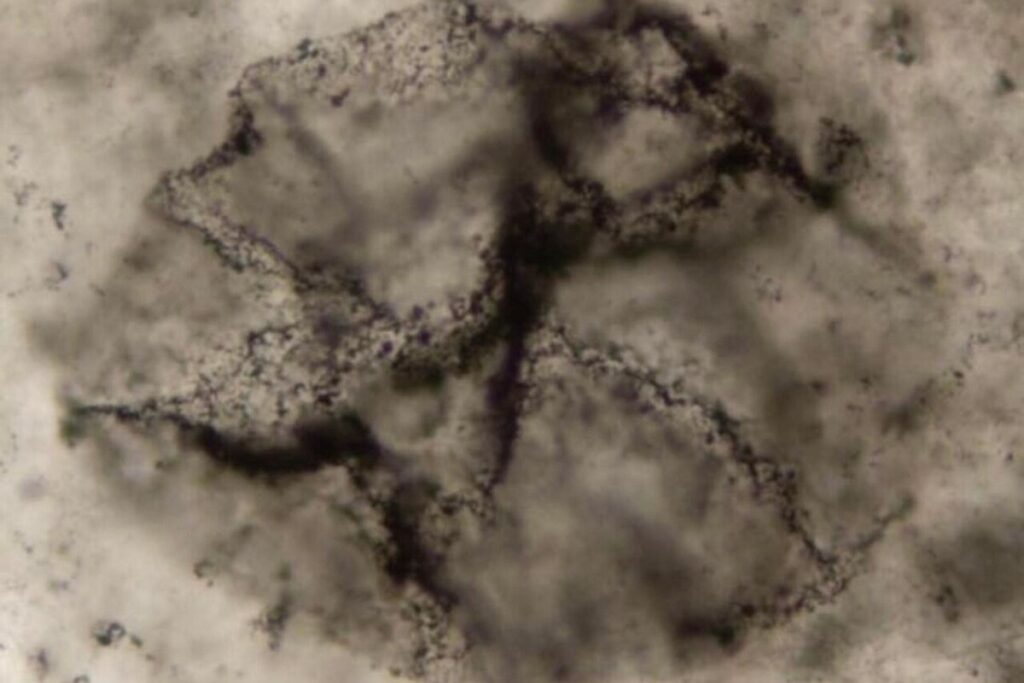
A machine-learning-enhanced approach to chemical analysis is drastically expanding the chemical record of life on Earth, and it could help us find evidence of life on other planets too.