Colorado’s rural schools serve more than 130,000 students, and their superintendents want more pay for their teachers
In a revealing survey conducted in the fall of 2023, leaders from Colorado’s rural schools expressed a striking preference for encouraging strangers to enter the teaching profession over their own family members. This finding emerges amid a nationwide teacher shortage, with nearly every state grappling with a decline in the number of individuals pursuing teaching careers. The survey, which garnered responses from 98 out of 146 rural school principals and superintendents, highlighted a pervasive concern: over 85% of respondents identified the recruitment and retention of talented teachers as a critical issue facing their districts. This challenge is compounded by other significant factors, including the impact of poverty on student learning and the struggle to support underprepared students.
Colorado’s rural education landscape is particularly challenging, with over 80% of school districts classified as rural and serving more than 130,000 students. These districts often operate on tight budgets, with average teacher salaries significantly lower than the state average—some as low as $33,000 compared to the statewide average of $65,838. Such disparities make these positions less appealing, especially to newly certified educators who may prefer more urban locales with better amenities. The survey results also indicate that rural school leaders feel ill-equipped to support diverse student populations, with only 2% believing they effectively serve English language learners, despite this group making up over 13% of rural students. Conversely, nearly 60% of leaders felt effective in supporting students performing above grade level, revealing a disparity in resources and attention given to different student needs.
Despite these challenges, there are glimmers of hope. While many rural education leaders expressed skepticism about the overall state of American education—only 14% believe schools today are better than in the past—76% remain optimistic about the future of their own districts. They identified key solutions to the teacher shortage, prioritizing higher wages, increased respect for the profession, and reduced barriers to teacher entry. However, the overall sentiment reflects a deep-seated concern, as many districts struggle with unfilled positions and are forced to rely on substitutes or retired teachers, which ultimately impacts the quality of education. The insights from this survey underscore the urgent need for systemic changes in rural education, as leaders call for support and resources to ensure that their students receive the quality education they deserve.
Leaders of Colorado’s rural schools are more likely to encourage a total stranger to go into teaching than a member of their own family, according to a Colorado-based survey published in October 2025.
The results come at a time when nearly every state in the United States
faces critical teacher shortages
.
We collected data in the fall of 2023 with the goal of describing the perceived strengths and limitations of rural schools in Colorado as understood by the people leading them. We sent an electronic survey to the 146 rural school principals and superintendents in the state, received 100 responses and analyzed 98.
Nearly every respondent mentioned issues related to the declining number of people who want to teach, which also
reflects national trends
. The number of individuals completing educator preparation programs annually in the United States has
declined by more than 200,000 since its high point from 2008 to 2021
.
When pressed for additional detail about the primary problems affecting their local schools and districts, more than 85% of respondents identified recruiting and retaining talented teachers as one of the most important issues. This was closely followed by concerns about supporting underprepared and underperforming students and poverty’s effect on student learning.
The Colorado context
In Colorado, more than
80% of school districts are rural
. They serve more than
130,000 students
.
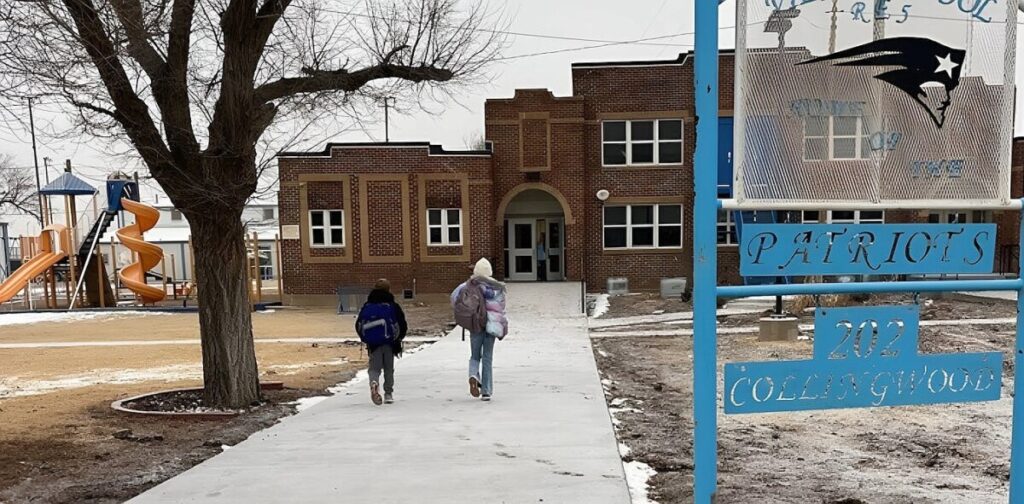
Rural leaders are most concerned about recruiting and retaining talented teachers − the Kim School in southeastern Colorado, above, included.
Courtesy of Robert Mitchell
For the past decade, I have worked closely with Colorado’s
rural school districts
. I also worked as an administrator with the Colorado Department of Higher Education from 2013-2016. These positions have taught me a great deal about the challenges facing smaller schools throughout the state – both in Colorado’s agricultural areas and in the resort regions. Issues related to small budgets, student safety and community poverty are common challenges to schools throughout the state.
As a
faculty member at the University of Colorado Colorado Springs
, I routinely spend extended time at several of these small schools – even serving as a fill-in classroom teacher and principal when needed.
Colorado’s remote and rural schools remain difficult to staff. The salaries offered by these schools are consistently below state averages. Some rural districts have
average salaries of $33,000
. That’s far below the state average teacher’s salary of $65,838.
In addition, the challenges of living in towns that
may not have a grocery store
or any entertainment options is less appealing to many teachers. That’s especially true for newly certified teachers right out of college.
Multiple challenges, with a few bright spots
Our survey shows some deep concerns from the state’s rural education leaders. Only 2% of rural Colorado education leaders believe their district was very effective in working with
English language learners
and students who are performing below grade level. More than 13% of Colorado’s
English language learners are attending school in rural areas
, equating to more than 15,000 students. When working with
LGBTQA+ students
, only 3% believed their district was very effective in supporting these students.
In contrast,
nearly 60% of school leaders think
their district is either effective or very effective in supporting students performing above grade level. Half of these rural educators see their work with supporting homeless or foster students as effective or very effective.
While nearly half of respondents do not have positive feelings about the current state of education in the U.S., 76% are excited about the future of their individual school districts.
Only about 14% believe that schools today are better than at any other time, and nearly 60% reported that they believe American public schools can be fixed only with major changes.
How to fix rural school challenges
The school leaders we surveyed are very concerned about the realities associated with finding and keeping qualified teachers in their schools.
We asked respondents to rank a series of
commonly stated solutions
related to teachers shortages. The options ranked highest included higher wages for teachers, more respect for the teaching profession, lowering barriers that allow people to become teachers and better benefits.
Wealth of experience, depth of doubt
Despite some bright spots, rural school and district leaders in Colorado are not enthusiastic about the future of American education overall.
Many school districts consistently have
unfilled positions
. Some have resorted to filling vacant classroom positions by hiring retired teachers or long-term substitutes. With fewer educators per school, teacher effectiveness is reduced, reducing overall
student learning
.
The results of our study are exceptionally notable to me and my research team because most of the respondents in this study have 15 or more years of K-12 education experience and more than six years of experience as a rural school leader. Going into the project, we thought these dedicated educators would be more positive about the current and future state of American schools. Yet, this does not seem to be the case.
If these leaders are not optimistic, it is difficult to believe that parents or other members of rural communities would feel any differently.
Robert Mitchell does not work for, consult, own shares in or receive funding from any company or organization that would benefit from this article, and has disclosed no relevant affiliations beyond their academic appointment.


