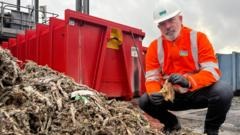
So long, plastic wet wipes – but should we be flushing the new ones?
In a growing concern for both public health and environmental sustainability, water companies are sounding the alarm over the significant impact of plastic-containing wet wipes on sewage systems. These seemingly innocuous products, often marketed as flushable, are proving to be a major contributor to blockages in wastewater pipes. According to industry reports, a staggering 93% of water companies in the UK have identified wet wipes as a leading cause of sewer blockages, leading to costly repairs and environmental damage. The issue has escalated to the point where water companies are spending millions annually to clear these blockages, which can lead to sewage overflows and pollution in local waterways.
The problem is exacerbated by the misconception that wet wipes can be safely disposed of in toilets. Many consumers are unaware that even wipes labeled as “flushable” do not break down in the same way that toilet paper does. Instead, they can accumulate in pipes, often combining with other materials like fats, oils, and hair to form massive clogs. A notable example comes from the city of London, where water company Thames Water reported that it removes an astonishing 1,000 wet wipes every minute from its sewer systems. This has led to significant environmental concerns, as blockages not only disrupt sewage treatment but can also result in untreated sewage being released into rivers and oceans, posing risks to wildlife and public health.
In response to this pressing issue, water companies are launching awareness campaigns aimed at educating the public about the dangers of flushing wet wipes. They are advocating for better labeling on products to clarify that they should not be disposed of in toilets. Additionally, there are calls for stricter regulations on the manufacturing of wet wipes, particularly those containing plastic. As consumers become more environmentally conscious, there is hope that increased awareness will lead to a decline in the use of plastic-based wet wipes, thus alleviating the pressure on sewer systems and protecting the environment. The ongoing dialogue between water companies, consumers, and policymakers will be crucial in finding sustainable solutions to this growing problem.
Water companies say wet wipes containing plastic are one of the main causes of blockages in their pipes.


